

 Esperanto
 Shqiptare
 Euskara
 Zulu
Zulu
 Latinus
 Cymraeg
 தமிழ்
தமிழ்
 Slovak
 Slovak
 Afrikaans
Focus On Hot Spots
Contact Info
E-mail: txgs@taixifilter.com
Manager Xu: +86-15097925576
Manager Feng: +86-15803195413
Address: North side of Caiyuan Village, Gexianzhuang Town, Qinghe County, Xingtai City, Hebei Province (No. 250)
The Importance of Regularly Changing Your Split Air Conditioner Filter: Why it Matters for Air Quality and Energy Efficiency
Release Time:
Sep 04,2023
Table of Contents: 1. Introduction: The Role of the Split Air Conditioner Filter 2. The Importance of Clean Air: How Does the Filter Work? 3. Benefits of Regularly Changing Your Split Air Conditioner Filter 3.1. Improved Air Quality and Health 3.2. Enhanced Energy Efficiency and Cost Savings 4. Signs that Your Split Air Conditioner Filter Needs Changing 5. How Often Should You Change Your Sp
1. Introduction: The Role of the Split Air Conditioner Filter
2. The Importance of Clean Air: How Does the Filter Work?
3. Benefits of Regularly Changing Your Split Air Conditioner Filter
3.1. Improved Air Quality and Health
3.2. Enhanced Energy Efficiency and Cost Savings
4. Signs that Your Split Air Conditioner Filter Needs Changing
5. How Often Should You Change Your Split Air Conditioner Filter?
6. Steps to Properly Change Your Split Air Conditioner Filter
7. Common FAQs about Split Air Conditioner Filters
7.1. How do I know if my split air conditioner filter needs changing?
7.2. Can I clean and reuse my filter instead of replacing it?
7.3. What happens if I don't change my split air conditioner filter regularly?
7.4. Are there any tips to prolong the lifespan of my filter?
7.5. Can a dirty filter affect the performance of my air conditioner?
8. Conclusion
1. Introduction: The Role of the Split Air Conditioner Filter
The split air conditioner filter plays a vital role in maintaining indoor air quality and ensuring the smooth operation of your cooling system. This article will explore the significance of regularly changing your split air conditioner filter and the benefits it brings.
2. The Importance of Clean Air: How Does the Filter Work?
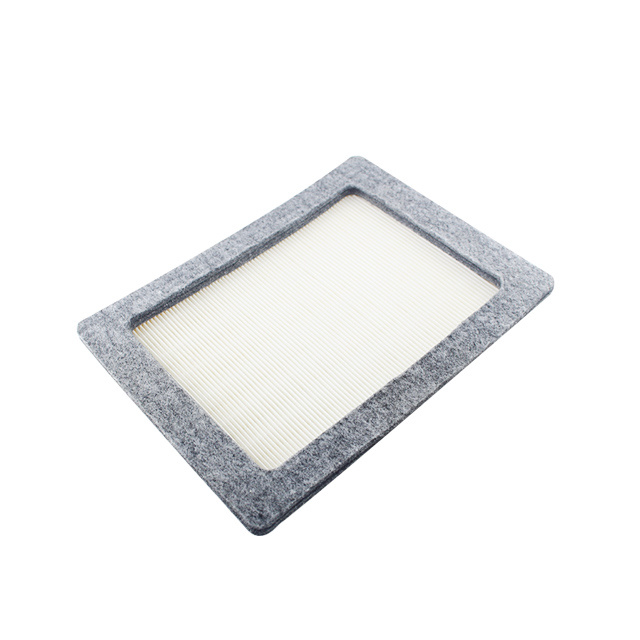
The filter in a split air conditioner acts as a barrier between the outdoor and indoor air. It captures dust, pollen, pet dander, mold spores, and other airborne particles, preventing them from circulating throughout your home. By trapping these contaminants, the filter helps improve air quality and protects your health.
3. Benefits of Regularly Changing Your Split Air Conditioner Filter
3.1. Improved Air Quality and Health
A clean filter ensures that the air circulating in your home remains free from pollutants. Regularly changing the filter helps remove harmful particles, reducing the risk of allergies, respiratory issues, and other health problems. Clean air promotes a healthier environment for you and your family.
3.2. Enhanced Energy Efficiency and Cost Savings
When the filter becomes clogged with dirt and debris, it restricts the airflow, forcing the air conditioner to work harder to cool the room. This leads to increased energy consumption, higher utility bills, and shortened equipment lifespan. By regularly changing the filter, you allow the air conditioner to operate at its optimal efficiency, reducing energy waste and saving you money in the long run.
4. Signs that Your Split Air Conditioner Filter Needs Changing
It's essential to recognize when your split air conditioner filter requires a replacement. Look out for signs such as reduced airflow, increased dust accumulation, unpleasant odors, or visible dirt on the filter itself. These indicators suggest that the filter is no longer effectively trapping particles and needs immediate attention.
5. How Often Should You Change Your Split Air Conditioner Filter?
The frequency of filter changes depends on various factors, including the air quality in your area, the presence of pets, and the usage of the air conditioner. As a general guideline, it is recommended to replace the filter every three to six months. However, if you live in a highly polluted area or have pets, more frequent changes may be necessary.
6. Steps to Properly Change Your Split Air Conditioner Filter
Changing the split air conditioner filter is a straightforward task that can be done by following a few simple steps:
1. Turn off the air conditioner and unplug it for safety.
2. Locate the air filter panel, usually located on the indoor unit.
3. Open the panel and carefully remove the old filter.
4. Dispose of the old filter properly.
5. Insert the new filter, ensuring it fits securely in the designated slot.
6. Close the panel and turn on the air conditioner.
7. Common FAQs about Split Air Conditioner Filters
7.1. How do I know if my split air conditioner filter needs changing?
Look for signs of reduced airflow, increased dust accumulation, or unpleasant odors. These indicate that it's time to change the filter.
7.2. Can I clean and reuse my filter instead of replacing it?
Some filters are washable and reusable, but most are designed for single-use only. Check the manufacturer's instructions to determine if your filter can be cleaned.
7.3. What happens if I don't change my split air conditioner filter regularly?
A dirty filter restricts airflow, forcing the air conditioner to work harder and consuming more energy. It can also lead to poor air quality and potential health issues.
7.4. Are there any tips to prolong the lifespan of my filter?
Vacuuming or dusting off the filter regularly can help extend its lifespan. However, it's essential to replace the filter when it becomes visibly dirty or after the recommended time frame.
7.5. Can a dirty filter affect the performance of my air conditioner?
Yes, a dirty filter restricts airflow, making the air conditioner less efficient. This can result in higher energy consumption and reduced cooling performance.
8. Conclusion
Regularly changing your split air conditioner filter is crucial for maintaining clean and healthy indoor air while maximizing energy efficiency. By prioritizing this simple maintenance task, you can improve your air quality, reduce allergies, and save money on energy bills in the long run. Don't overlook the importance of a clean filter for the overall performance of your split air conditioner.
Key words:

* Please Enter Keywords
The company is mainly engaged in the manufacture and sale of auto parts and accessories in the automobile manufacturing industry, the manufacture and sale of automobile rubber products, and the import and export of auto parts.