

 Esperanto
 Shqiptare
 Euskara
 Zulu
Zulu
 Latinus
 Cymraeg
 தமிழ்
தமிழ்
 Slovak
 Slovak
 Afrikaans
Focus On Hot Spots
Contact Info
E-mail: txgs@taixifilter.com
Manager Xu: +86-15097925576
Manager Feng: +86-15803195413
Address: North side of Caiyuan Village, Gexianzhuang Town, Qinghe County, Xingtai City, Hebei Province (No. 250)
How to Choose the Right Diesel Car Fuel Filter for Your Vehicle
Release Time:
Sep 06,2023
Table of Contents: 1. Importance of a Diesel Car Fuel Filter 2. Types of Diesel Car Fuel Filters 2.1 Spin-on Filters 2.2 Inline Filters 3. Factors to Consider When Choosing a Diesel Car Fuel Filter 3.1 Compatibility with Your Vehicle 3.2 Micron Rating 3.3 Water Separation 3.4 Filter Life 4. Size Matters: Matching the Filter to Your Vehicle 5. Installation and Maintenance Tips for Diese
1. Importance of a Diesel Car Fuel Filter
2. Types of Diesel Car Fuel Filters
2.1 Spin-on Filters
2.2 Inline Filters
3. Factors to Consider When Choosing a Diesel Car Fuel Filter
3.1 Compatibility with Your Vehicle
3.2 Micron Rating
3.3 Water Separation
3.4 Filter Life
4. Size Matters: Matching the Filter to Your Vehicle
5. Installation and Maintenance Tips for Diesel Car Fuel Filters
6. Common FAQs about Diesel Car Fuel Filters
6.1 How often should I replace my diesel car fuel filter?
6.2 Can I use a gasoline fuel filter in my diesel vehicle?
6.3 What are the signs of a clogged fuel filter?
6.4 Are OEM fuel filters always the best choice?
6.5 Can I clean and reuse my diesel car fuel filter?
7. Conclusion
1. Importance of a Diesel Car Fuel Filter
Your vehicle's fuel filter plays a crucial role in maintaining the overall health and performance of your diesel engine. It acts as a barrier, preventing contaminants such as dirt, rust, and debris from entering your engine and causing damage. A clean and efficient fuel filter ensures that only clean fuel reaches your engine, promoting better combustion, improved fuel efficiency, and reduced engine wear.
2. Types of Diesel Car Fuel Filters
When it comes to diesel car fuel filters, there are two main types commonly used:
2.1 Spin-on Filters
Spin-on filters are the most popular choice for diesel vehicles due to their ease of installation and convenience. As the name suggests, these filters come in a self-contained housing that can be easily spun on and off during replacement. Spin-on filters often have a higher filtration capacity and are designed to capture smaller particles effectively.
2.2 Inline Filters
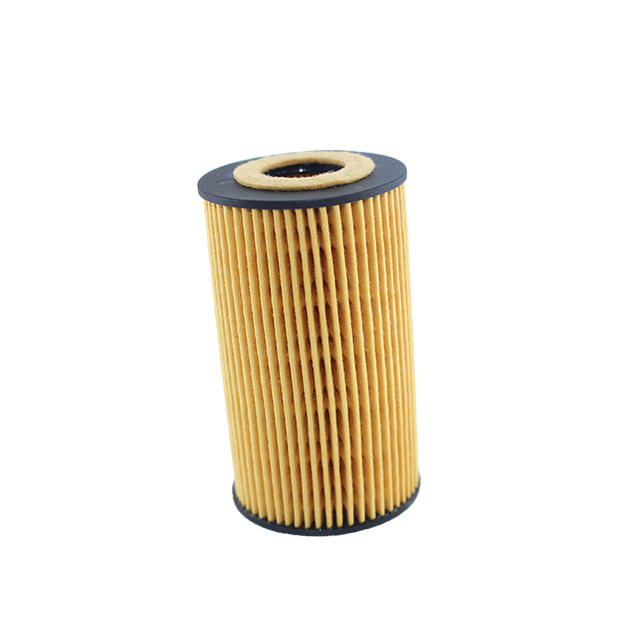
Inline filters, also known as cartridge filters, consist of a replaceable filter element housed inside a separate casing. These filters require additional fittings and installation is slightly more complicated compared to spin-on filters. However, inline filters are known for their superior filtration capabilities and are often recommended for heavy-duty diesel engines or vehicles operating in extreme conditions.
3. Factors to Consider When Choosing a Diesel Car Fuel Filter
When selecting the right fuel filter for your diesel vehicle, consider the following factors:
3.1 Compatibility with Your Vehicle
Ensure that the fuel filter you choose is compatible with your specific make and model of diesel vehicle. Refer to your vehicle's manufacturer guidelines or consult with a trusted mechanic to find the right filter for your vehicle's requirements.
3.2 Micron Rating
The micron rating indicates the filter's efficiency in capturing contaminants. A lower micron rating means the filter can capture smaller particles, providing better protection for your engine. However, keep in mind that a filter with a very low micron rating may require more frequent replacement due to quicker clogging.
3.3 Water Separation
Water is a common contaminant in diesel fuel, and the ability of a fuel filter to separate water from the fuel is crucial. Look for a filter that includes a water separator feature to prevent water from entering your engine and causing potential damage.
3.4 Filter Life
Consider the expected lifespan of the fuel filter before making a purchase. A longer filter life means less frequent replacements, saving you time and money in the long run. However, ensure that the filter is replaced within the recommended intervals to maintain optimal engine performance.
4. Size Matters: Matching the Filter to Your Vehicle
Choosing the correct size of fuel filter is essential for proper installation and filtration efficiency. Consult your vehicle's manual or check with a qualified mechanic to determine the appropriate filter size for your diesel vehicle. Using the wrong size could lead to poor performance and potential damage to your engine.
5. Installation and Maintenance Tips for Diesel Car Fuel Filters
Proper installation and regular maintenance are crucial to ensure the optimal performance and longevity of your diesel car fuel filter. Follow these tips:
- Always refer to the manufacturer's instructions for installation procedures.
- Use the appropriate tools and fittings to ensure a secure and leak-free installation.
- Regularly inspect the filter for signs of damage or clogging.
- Replace the fuel filter within the recommended intervals.
- If you notice a decrease in engine performance or fuel efficiency, consider checking and cleaning the filter before replacement.
6. Common FAQs about Diesel Car Fuel Filters
6.1 How often should I replace my diesel car fuel filter?
The replacement interval for diesel car fuel filters can vary depending on various factors such as driving conditions, fuel quality, and the type of filter used. Generally, it is recommended to replace the fuel filter every 10,000 to 20,000 miles or as specified by your vehicle's manufacturer.
6.2 Can I use a gasoline fuel filter in my diesel vehicle?
No, it is not recommended to use a gasoline fuel filter in a diesel vehicle. Diesel fuel filters are specifically designed to handle the unique properties and contaminants found in diesel fuel. Using a gasoline fuel filter may result in inadequate filtration and potential engine damage.
6.3 What are the signs of a clogged fuel filter?
Common signs of a clogged fuel filter include engine misfires, reduced power and acceleration, difficulty starting the engine, and frequent stalling. If you experience any of these symptoms, it is advisable to check and replace your fuel filter if necessary.
6.4 Are OEM fuel filters always the best choice?
Original Equipment Manufacturer (OEM) fuel filters are designed and produced by the vehicle manufacturer. While they are generally a reliable choice, aftermarket fuel filters can also offer comparable performance and may be more cost-effective. It is essential to consider factors such as compatibility, filtration efficiency, and customer reviews when choosing between OEM and aftermarket options.
6.5 Can I clean and reuse my diesel car fuel filter?
Most diesel car fuel filters are not designed to be cleaned and reused. It is recommended to replace the filter with a new one when it becomes clogged or reaches the end of its recommended lifespan. Attempting to clean and reuse a clogged filter may result in inadequate filtration and potential engine damage.
7. Conclusion
Choosing the right diesel car fuel filter is crucial for maintaining the performance and longevity of your vehicle's engine. By understanding the importance of a fuel filter, considering factors such as compatibility, micron rating, water separation, and filter life, and following proper installation and maintenance practices, you can ensure optimal engine protection and improved fuel efficiency. Remember to consult your vehicle's manual or seek professional advice for specific recommendations. Keep your diesel engine running smoothly with the right fuel filter choice.
Key words:

* Please Enter Keywords
The company is mainly engaged in the manufacture and sale of auto parts and accessories in the automobile manufacturing industry, the manufacture and sale of automobile rubber products, and the import and export of auto parts.