

 Esperanto
 Shqiptare
 Euskara
 Zulu
Zulu
 Latinus
 Cymraeg
 தமிழ்
தமிழ்
 Slovak
 Slovak
 Afrikaans
Focus On Hot Spots
Contact Info
E-mail: txgs@taixifilter.com
Manager Xu: +86-15097925576
Manager Feng: +86-15803195413
Address: North side of Caiyuan Village, Gexianzhuang Town, Qinghe County, Xingtai City, Hebei Province (No. 250)
The Importance of Regularly Changing Your Central AC Unit Filter: Why It's Essential for Optimal Performance and Indoor Air Quality
Release Time:
Sep 07,2023
Table of Contents 1. Introduction: The Vital Role of Your Central AC Unit Filter 2. The Benefits of Regularly Changing Your Filter 3. How Often Should You Change Your Central AC Unit Filter? 4. Signs that Indicate Your Filter Needs Replacement 5. Steps to Properly Change Your Central AC Unit Filter 6. Common Mistakes to Avoid when Changing Your Filter 7. Frequently Asked Questions (FAQs) 7.1. H
1. Introduction: The Vital Role of Your Central AC Unit Filter
2. The Benefits of Regularly Changing Your Filter
3. How Often Should You Change Your Central AC Unit Filter?
4. Signs that Indicate Your Filter Needs Replacement
5. Steps to Properly Change Your Central AC Unit Filter
6. Common Mistakes to Avoid when Changing Your Filter
7. Frequently Asked Questions (FAQs)
7.1. How does a central AC unit filter work?
7.2. Can I clean and reuse my central AC unit filter?
7.3. What happens if I don't change my central AC unit filter regularly?
7.4. Can a dirty filter affect the performance of my AC unit?
7.5. Are there any health risks associated with a dirty AC filter?
8. Conclusion
1. Introduction: The Vital Role of Your Central AC Unit Filter
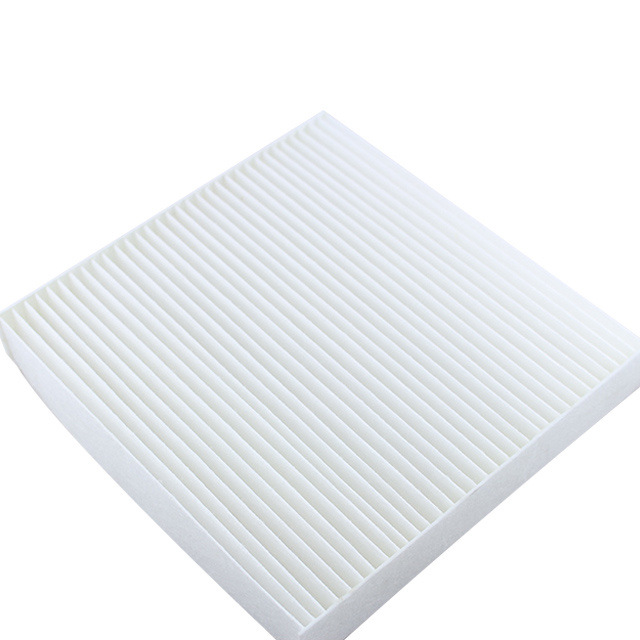
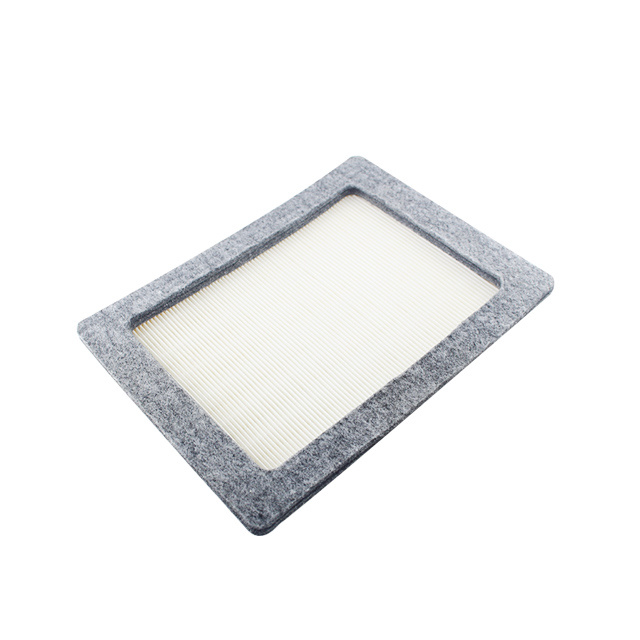
Your central AC unit filter plays a vital role in maintaining the performance and efficiency of your cooling system. It acts as a barrier, capturing dust, pollen, pet dander, and other airborne particles, preventing them from circulating throughout your home. By regularly changing your filter, you ensure clean and healthy air for you and your family.
2. The Benefits of Regularly Changing Your Filter
Regularly changing your central AC unit filter offers numerous benefits beyond improved indoor air quality. It helps to prolong the lifespan of your system by preventing dust and debris from accumulating on the evaporator coil and other crucial components. A clean filter also allows for maximum airflow, reducing strain on your AC unit and minimizing energy consumption. As a result, you can enjoy lower utility bills while maintaining a comfortable home.
3. How Often Should You Change Your Central AC Unit Filter?
The frequency of filter changes depends on various factors, such as the type of filter and your specific environment. In general, it is recommended to change standard 1-inch filters every 1 to 3 months. However, if you have pets, allergies, or live in an area with high pollen or dust levels, you may need to replace your filter more frequently. For thicker filters or high-efficiency filters, the replacement timeframe can range from every 3 to 6 months.
4. Signs that Indicate Your Filter Needs Replacement
To ensure your central AC unit operates at its best, be aware of these signs that indicate your filter needs replacement:
- Visible dirt and debris buildup on the filter
- Reduced airflow from your vents
- An increase in dust accumulation on surfaces
- More frequent allergic reactions or respiratory issues among household members
- Unusual noises or smells coming from your AC unit
5. Steps to Properly Change Your Central AC Unit Filter
Changing your central AC unit filter is a straightforward task that can be done in a few simple steps:
1. Turn off your AC system.
2. Locate the filter compartment, usually found in the return air duct or near the air handler unit.
3. Remove the old filter, paying attention to the direction of airflow indicated on the filter frame.
4. Insert the new filter, ensuring it fits securely and follows the correct airflow direction.
5. Close the filter compartment and turn your AC system back on.
6. Common Mistakes to Avoid when Changing Your Filter
While changing your central AC unit filter is relatively easy, it's essential to avoid common mistakes that can compromise its effectiveness:
- Using the wrong filter size or type for your unit
- Neglecting to clean the filter compartment before inserting a new filter
- Forgetting to reset the filter change indicator (if applicable)
- Reusing a disposable filter beyond its recommended lifespan
- Failing to schedule regular filter changes on your calendar or set reminders
7. Frequently Asked Questions (FAQs)
7.1. How does a central AC unit filter work?
A central AC unit filter works by trapping airborne particles as the return air passes through it. It consists of a porous material that allows air to flow while capturing dust, allergens, and other pollutants.
7.2. Can I clean and reuse my central AC unit filter?
While some filters are designed for cleaning and reuse, most filters are disposable and should be replaced. Attempting to clean a disposable filter can damage it and compromise its efficiency.
7.3. What happens if I don't change my central AC unit filter regularly?
Failing to change your central AC unit filter regularly can lead to reduced airflow, decreased cooling efficiency, and increased strain on your system. This can result in higher energy bills, frequent breakdowns, and even premature system failure.
7.4. Can a dirty filter affect the performance of my AC unit?
Yes, a dirty filter can significantly impact the performance of your AC unit. It restricts airflow, forcing the system to work harder to achieve the desired temperature. This extra strain can lead to increased energy consumption, decreased cooling efficiency, and potential damage to the system.
7.5. Are there any health risks associated with a dirty AC filter?
A dirty AC filter can contribute to poor indoor air quality, triggering allergies, asthma symptoms, and other respiratory issues. It can also allow mold and bacteria to circulate, posing health risks, especially for individuals with compromised immune systems.
8. Conclusion
Regularly changing your central AC unit filter is a simple yet crucial maintenance task that should not be overlooked. By doing so, you can enjoy improved indoor air quality, lower energy consumption, and a more efficient cooling system. Make it a habit to check and replace your filter according to the manufacturer's instructions, ensuring optimal performance and a healthier home for you and your loved ones.
Key words:

* Please Enter Keywords
The company is mainly engaged in the manufacture and sale of auto parts and accessories in the automobile manufacturing industry, the manufacture and sale of automobile rubber products, and the import and export of auto parts.