

 Esperanto
 Shqiptare
 Euskara
 Zulu
Zulu
 Latinus
 Cymraeg
 தமிழ்
தமிழ்
 Slovak
 Slovak
 Afrikaans
Focus On Hot Spots
Contact Info
E-mail: txgs@taixifilter.com
Manager Xu: +86-15097925576
Manager Feng: +86-15803195413
Address: North side of Caiyuan Village, Gexianzhuang Town, Qinghe County, Xingtai City, Hebei Province (No. 250)
Understanding the Importance of Filters in Central Air Units
Release Time:
Sep 09,2023
When it comes to industrial equipment and components, specifically in the field of filtration devices, filters are an integral part of ensuring optimal performance and longevity. In this article, we will focus on the significance of filters in central air units and their role in maintaining clean and healthy indoor air quality. Filters in central air units serve as the first line of defense agains
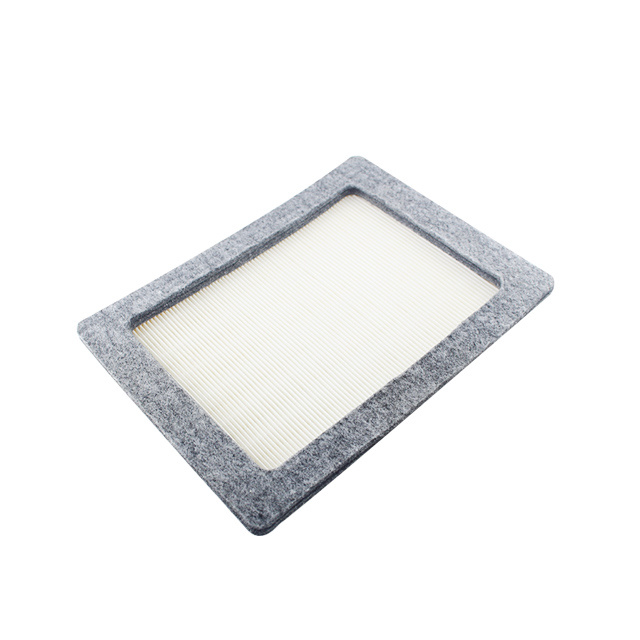
Filters in central air units serve as the first line of defense against airborne contaminants. They capture dust, pollen, mold spores, pet dander, and other particles that can circulate in the air. By trapping these pollutants, filters prevent them from entering the ductwork and spreading throughout the building. This is particularly important in industrial settings where the air may contain pollutants or particles generated by manufacturing processes.
One of the key benefits of filters is improving the indoor air quality. As air is drawn into the central air unit, it passes through the filter, which effectively removes a significant portion of the pollutants. This is especially beneficial for individuals with respiratory conditions or allergies as it helps reduce their exposure to potential triggers.
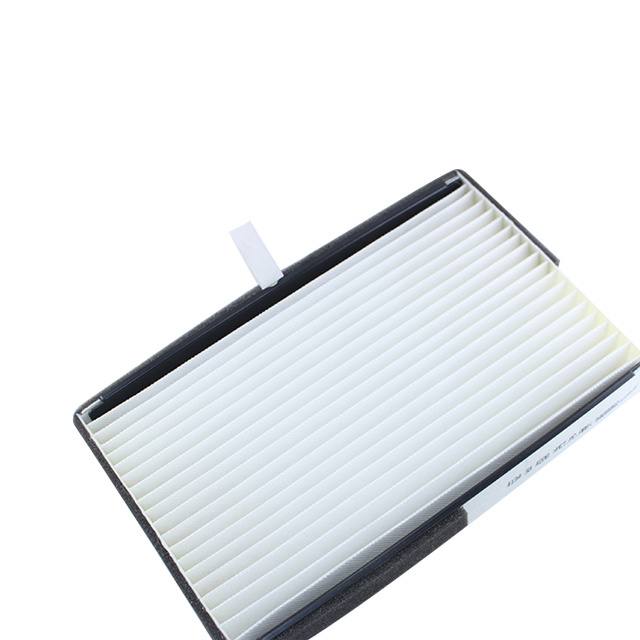
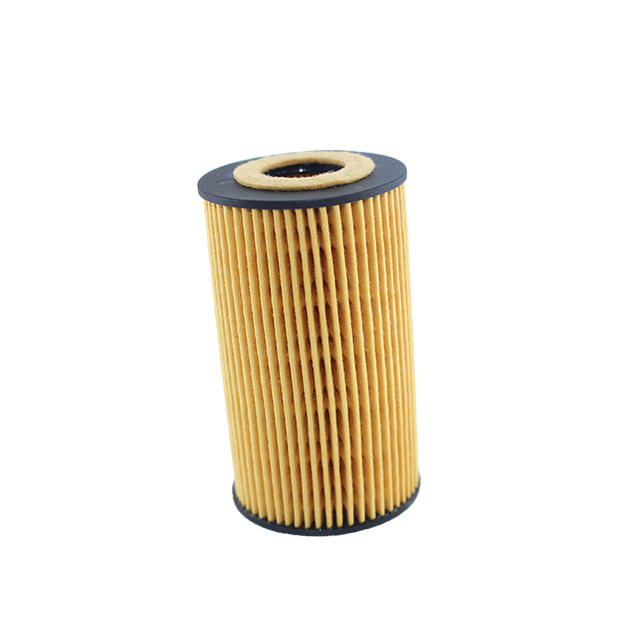
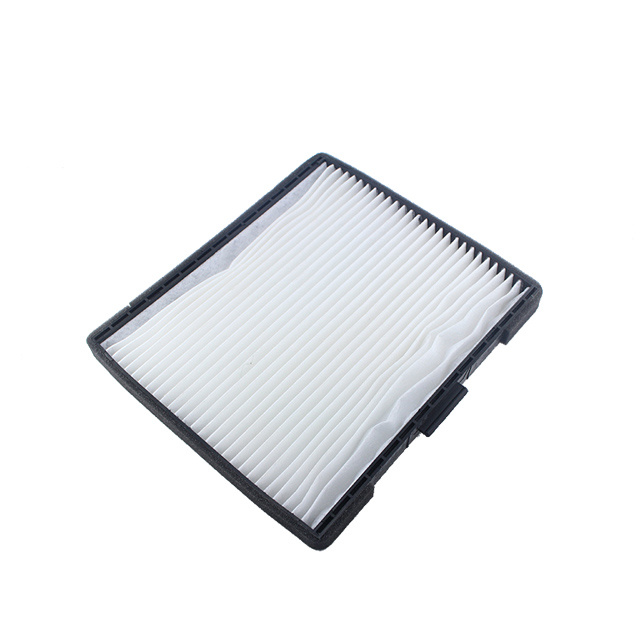
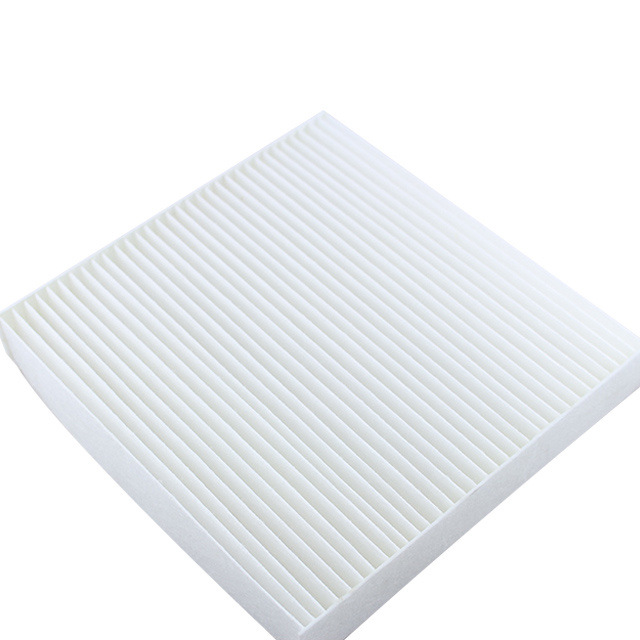
Different types of filters are available for central air units, each with its own unique characteristics. The most common types include fiberglass filters, pleated filters, electrostatic filters, and high-efficiency particulate air (HEPA) filters. Fiberglass filters are cost-effective and capture larger particles, while pleated filters offer a higher level of filtration and have a longer lifespan. Electrostatic filters use static electricity to attract and capture particles, and HEPA filters are the most efficient in capturing even the tiniest particles.
Regular maintenance, including filter replacement, is crucial to ensure the optimal performance of central air units. Clogged or dirty filters can restrict airflow and lead to decreased efficiency, higher energy consumption, and increased wear and tear on the system. It is recommended to follow the manufacturer's guidelines regarding filter replacement frequency and to inspect them regularly for any signs of damage or excessive dirt accumulation.
In summary, filters in central air units play a vital role in maintaining clean and healthy indoor air quality. By capturing airborne contaminants, they prevent pollutants from circulating throughout the building. With various types of filters available, it is important to choose the appropriate one based on specific filtration needs. Regular maintenance and filter replacement are essential to ensure the effectiveness and efficiency of the central air unit's filtration system, resulting in improved air quality and a healthier environment.
- Filters in central air units are essential for maintaining clean and healthy indoor air quality.
- They capture airborne contaminants, preventing them from spreading throughout the building.
- Different types of filters, such as fiberglass, pleated, electrostatic, and HEPA filters, offer various filtration levels.
- Regular maintenance and filter replacement are crucial for optimal performance and efficiency.
- Filters contribute to improved air quality and a healthier environment in industrial settings.
Key words:

* Please Enter Keywords
The company is mainly engaged in the manufacture and sale of auto parts and accessories in the automobile manufacturing industry, the manufacture and sale of automobile rubber products, and the import and export of auto parts.