

 Esperanto
 Shqiptare
 Euskara
 Zulu
Zulu
 Latinus
 Cymraeg
 தமிழ்
தமிழ்
 Slovak
 Slovak
 Afrikaans
Focus On Hot Spots
Contact Info
E-mail: txgs@taixifilter.com
Manager Xu: +86-15097925576
Manager Feng: +86-15803195413
Address: North side of Caiyuan Village, Gexianzhuang Town, Qinghe County, Xingtai City, Hebei Province (No. 250)
The Importance of Filters in Central Air Units: Improving Air Quality and Extending System Lifespan
Release Time:
Sep 09,2023
Table of Contents 1. The Role of Filters in Central Air Units 2. Types of Filters and Their Benefits 3. Choosing the Right Filter for Your Central Air Unit 4. Regular Filter Maintenance: Key to Healthy Air and System Efficiency 5. FAQs: Answering Your Questions about Filters in Central Air Units 6. Conclusion 1. The Role of Filters in Central Air Units When it comes to maintaining a comfortable an
1. The Role of Filters in Central Air Units
2. Types of Filters and Their Benefits
3. Choosing the Right Filter for Your Central Air Unit
4. Regular Filter Maintenance: Key to Healthy Air and System Efficiency
5. FAQs: Answering Your Questions about Filters in Central Air Units
6. Conclusion
1. The Role of Filters in Central Air Units
When it comes to maintaining a comfortable and healthy indoor environment, the importance of filters in central air units cannot be overstated. Filters act as a critical line of defense against dust, pollutants, allergens, and other airborne particles that can degrade indoor air quality. Additionally, they play a significant role in protecting the system's components from damage caused by debris accumulation.
2. Types of Filters and Their Benefits
There are several types of filters available for central air units, each offering unique benefits. Let's explore some common filter options:
2.1 Fiberglass Filters
Fiberglass filters are the most basic and affordable option. They are designed to capture larger particles, such as dust and lint. While they provide minimal protection against smaller particles, they still help improve air quality to some extent.
2.2 Pleated Filters
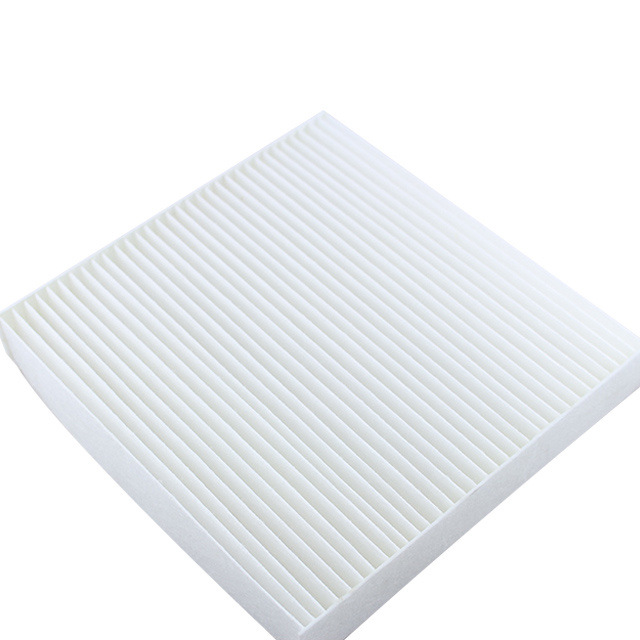
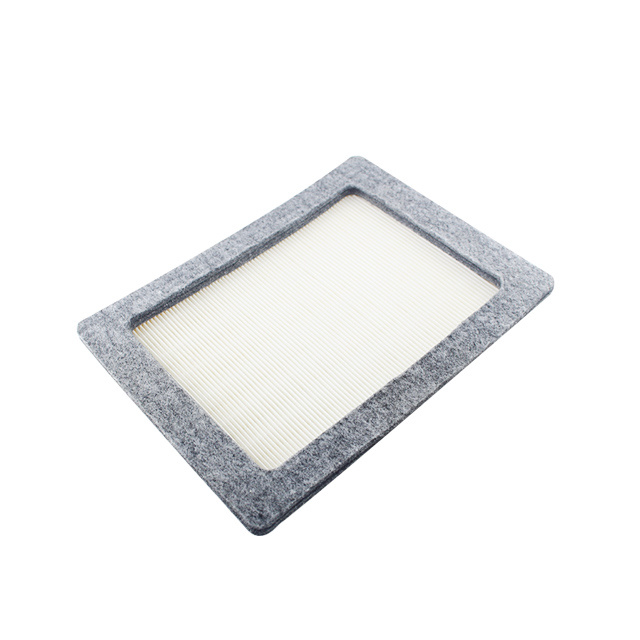
Pleated filters are constructed with densely packed fibers that create a larger surface area for filtering. This design allows them to capture a wider range of particles, including finer dust, pollen, pet dander, and mold spores. Pleated filters offer better filtration efficiency than fiberglass filters.
2.3 Electrostatic Filters
Electrostatic filters use an electric charge to attract and capture particles. These filters are highly effective at removing allergens, smoke, and other microscopic pollutants from the air. They are available in both disposable and washable options.
2.4 High-Efficiency Particulate Air (HEPA) Filters
HEPA filters are considered the gold standard in air filtration. They are capable of removing up to 99.97% of particles as small as 0.3 microns. HEPA filters are commonly used in environments where superior air quality is crucial, such as hospitals and laboratories.
3. Choosing the Right Filter for Your Central Air Unit
Selecting the appropriate filter for your central air unit is essential to maximize its effectiveness and longevity. Consider the following factors when making a choice:
3.1 MERV Rating
The Minimum Efficiency Reporting Value (MERV) rating indicates a filter's ability to capture particles of different sizes. Higher MERV ratings correspond to better filtration capabilities. However, it's important to ensure that the chosen filter is compatible with your system, as high MERV-rated filters can restrict airflow if not suitable.
3.2 Air Quality Requirements
If you or your family members suffer from allergies or respiratory conditions, it may be beneficial to invest in a filter with a higher level of filtration, such as a HEPA filter. Assess your air quality needs and consult with an HVAC professional to determine the most appropriate filter for your specific situation.
4. Regular Filter Maintenance: Key to Healthy Air and System Efficiency
Proper filter maintenance is crucial to ensure optimal air quality and system efficiency. Here are some essential steps to follow:
4.1 Regular Filter Inspections
Inspect your filter at least once a month to check for dirt, debris, or damage. Replace or clean the filter as necessary.
4.2 Correct Filter Replacement
Follow the manufacturer's guidelines to ensure proper filter replacement. Incorrectly installed filters can result in air leakage and decreased efficiency.
4.3 Cleaning or Replacement Frequency
The cleaning or replacement frequency depends on various factors, including the filter type, air quality, and usage. Generally, disposable filters should be replaced every 1-3 months, while washable filters require cleaning every 1-3 months.
5. FAQs: Answering Your Questions about Filters in Central Air Units
5.1 How often should I change my central air unit's filter?
The frequency of filter changes depends on factors such as filter type, air quality, and system usage. As a general guideline, disposable filters should be replaced every 1-3 months, while washable filters require cleaning every 1-3 months.
5.2 Can I use a higher MERV-rated filter for better air quality?
Using a higher MERV-rated filter may improve air quality, but it is crucial to ensure compatibility with your central air unit. Filters with high MERV ratings can restrict airflow if not suitable for the system, potentially causing damage or reduced efficiency.
5.3 Can I clean and reuse my disposable filter?
Disposable filters are not designed for cleaning and reuse. They should be replaced with a new filter when they become dirty or clogged.
5.4 How can I tell if my filter needs cleaning or replacement?
Inspect your filter regularly for dirt, debris, or damage. If it appears dirty or clogged, it's time for cleaning or replacement. Reduced airflow or decreased system performance may also indicate the need for a new filter.
5.5 Are HEPA filters necessary for every central air unit?
HEPA filters are not essential for every central air unit. They are commonly used in environments where superior air quality is crucial, such as hospitals or laboratories. Assess your air quality needs and consult with an HVAC professional to determine the most appropriate filter for your specific situation.
6. Conclusion
In conclusion, filters are vital components of central air units, improving indoor air quality and extending the system's lifespan. By choosing the right filter, performing regular maintenance, and following best practices, you can ensure cleaner and healthier air for you and your family. Remember to consult with HVAC professionals for expert advice and personalized recommendations. Take control of your indoor air quality by prioritizing filter maintenance and enjoy the benefits of a well-functioning central air unit.
Key words:

* Please Enter Keywords
The company is mainly engaged in the manufacture and sale of auto parts and accessories in the automobile manufacturing industry, the manufacture and sale of automobile rubber products, and the import and export of auto parts.