

 Esperanto
 Shqiptare
 Euskara
 Zulu
Zulu
 Latinus
 Cymraeg
 தமிழ்
தமிழ்
 Slovak
 Slovak
 Afrikaans
Focus On Hot Spots

Contact Info
E-mail: txgs@taixifilter.com
Manager Xu: +86-15097925576
Manager Feng: +86-15803195413
Address: North side of Caiyuan Village, Gexianzhuang Town, Qinghe County, Xingtai City, Hebei Province (No. 250)
All You Need to Know About Central Air Unit Filters
Release Time:
Sep 09,2023
Introduction: In the industrial equipment and components industry, filters play a crucial role in maintaining the optimal functioning of central air units. Understanding the significance of filters and their impact on air quality is essential for professionals in this field. This article provides comprehensive information about filters in central air units, their benefits, and their importance in
In the industrial equipment and components industry, filters play a crucial role in maintaining the optimal functioning of central air units. Understanding the significance of filters and their impact on air quality is essential for professionals in this field. This article provides comprehensive information about filters in central air units, their benefits, and their importance in creating a clean and healthy environment.
1. What are Central Air Unit Filters?
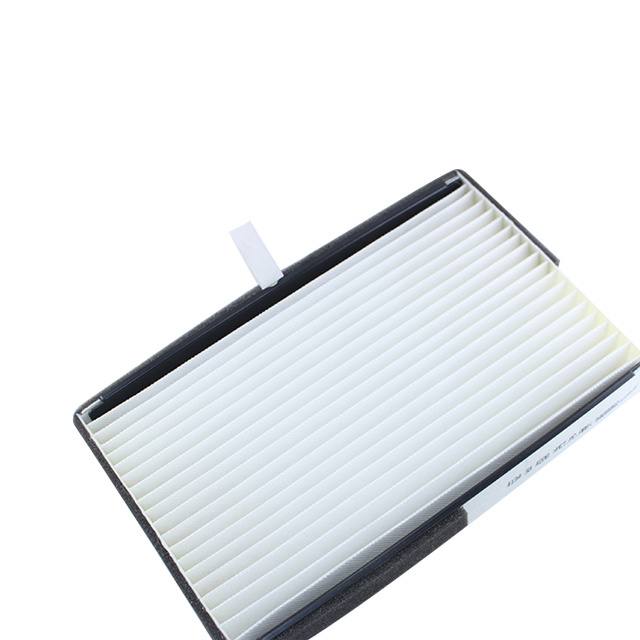
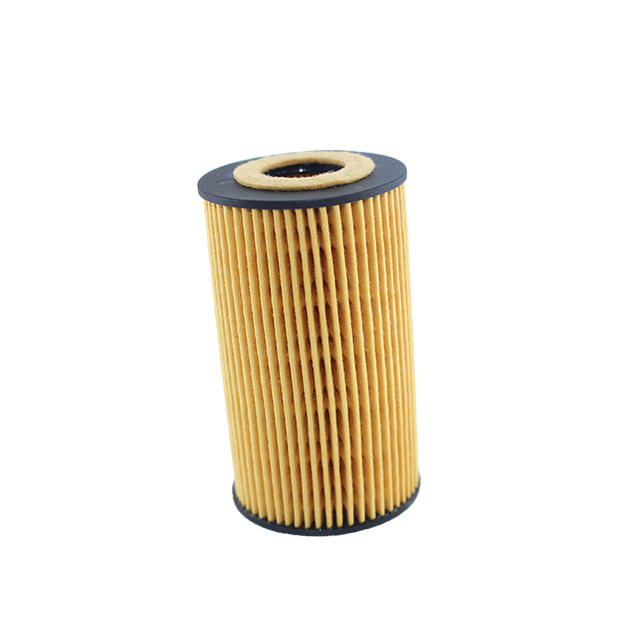
Central air unit filters are devices designed to trap and remove airborne particles, pollutants, and contaminants from the air circulated within an industrial facility. These filters are typically made from materials such as fiberglass, pleated paper, or polyester and are installed in the air handling units of central air systems.
2. Importance of Filters in Central Air Units:
Filters in central air units serve multiple important purposes:
- They prevent dust, dirt, and debris from entering the system, which can cause damage to the equipment, reduce efficiency, and increase maintenance costs.
- By removing pollutants and contaminants, filters improve indoor air quality, creating a healthier working environment for employees and reducing the risk of respiratory issues.
- Filters also contribute to protecting sensitive equipment and components from potential damage caused by airborne particles.
3. Types of Filters:
There are different types of filters available for central air units, each with its own filtration efficiency and specific uses:
- Fiberglass Filters: These filters are cost-effective and primarily designed to protect the HVAC system from large particles. However, they provide minimal filtration for smaller particles.
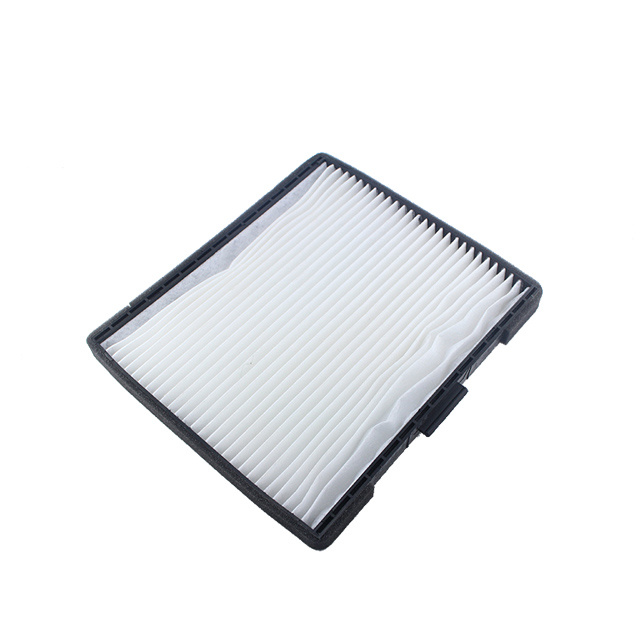
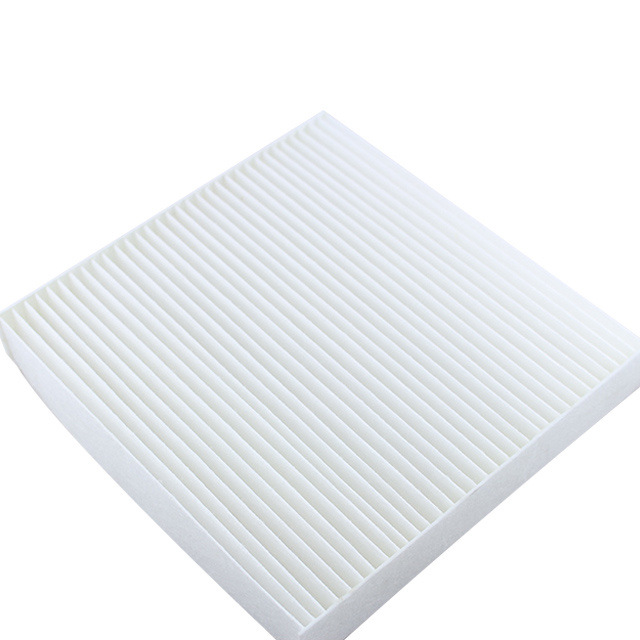
- Pleated Filters: Pleated filters offer higher filtration efficiency and capture smaller particles effectively. They are available in various sizes and are a popular choice for industrial applications.
- High Efficiency Particulate Air (HEPA) Filters: HEPA filters are the most efficient in capturing particles as small as 0.3 microns. They are commonly used in industries with strict air quality requirements, such as pharmaceutical or semiconductor manufacturing.
4. Filter Maintenance and Replacement:
Regular maintenance and timely filter replacement are crucial for the optimal performance of central air units. Here are some key points to consider:
- Filters should be inspected regularly and cleaned or replaced when they become dirty or clogged.
- The frequency of filter replacement depends on factors like the type of filter, environmental conditions, and the specific requirements of the industrial facility.
- It is essential to follow the manufacturer's guidelines and recommendations for filter maintenance and replacement to ensure efficient operation and prolong the lifespan of the central air unit.
Conclusion:
Filters in central air units are vital components that promote a clean and healthy working environment within industrial facilities. By understanding the importance of filters and their various types, professionals in the industrial equipment and components industry can make informed decisions about filter selection, maintenance, and replacement. Prioritizing the use of high-quality filters and adopting proper maintenance practices will contribute to the longevity and efficiency of central air units, ultimately benefiting both employees and equipment.
Key words:

* Please Enter Keywords
The company is mainly engaged in the manufacture and sale of auto parts and accessories in the automobile manufacturing industry, the manufacture and sale of automobile rubber products, and the import and export of auto parts.