

 Esperanto
 Shqiptare
 Euskara
 Zulu
Zulu
 Latinus
 Cymraeg
 தமிழ்
தமிழ்
 Slovak
 Slovak
 Afrikaans
Focus On Hot Spots

Contact Info
E-mail: txgs@taixifilter.com
Manager Xu: +86-15097925576
Manager Feng: +86-15803195413
Address: North side of Caiyuan Village, Gexianzhuang Town, Qinghe County, Xingtai City, Hebei Province (No. 250)
Choosing a Durable and Reliable Car Fuel Oil Filter: Enhancing Engine Performance and Longevity
Release Time:
Sep 11,2023
Table of Contents 1. Introduction: The Importance of a Durable and Reliable Car Fuel Oil Filter 2. Understanding the Role of a Fuel Oil Filter 3. Factors to Consider When Choosing a Car Fuel Oil Filter 3.1 Filtration Efficiency and Micron Rating 3.2 Compatibility with Your Vehicle 3.3 Durability and Longevity 4. Benefits of Investing in a High-Quality Fuel Oil Filter 4.1 Enhanced Engin
1. Introduction: The Importance of a Durable and Reliable Car Fuel Oil Filter
2. Understanding the Role of a Fuel Oil Filter
3. Factors to Consider When Choosing a Car Fuel Oil Filter
3.1 Filtration Efficiency and Micron Rating
3.2 Compatibility with Your Vehicle
3.3 Durability and Longevity
4. Benefits of Investing in a High-Quality Fuel Oil Filter
4.1 Enhanced Engine Performance
4.2 Extended Engine Lifespan
4.3 Protection Against Potential Damage
4.4 Improved Fuel Efficiency
5. Frequently Asked Questions (FAQs)
5.1 What is the purpose of a car fuel oil filter?
5.2 How often should a fuel oil filter be replaced?
5.3 Can I use any fuel oil filter for my car?
5.4 How does a high-quality fuel oil filter improve engine performance?
5.5 Will a reliable fuel oil filter save me money on fuel costs?
6. Conclusion: Making an Informed Choice for Your Car's Fuel Oil Filter
1. Introduction: The Importance of a Durable and Reliable Car Fuel Oil Filter
Choosing a durable and reliable car fuel oil filter is crucial for maintaining your vehicle's optimal performance and longevity. A high-quality filter ensures that your engine receives clean and contaminant-free fuel, thereby safeguarding against potential damage and preserving fuel efficiency. In this comprehensive guide, we will explore the key factors to consider when selecting a fuel oil filter and highlight the benefits it offers.
2. Understanding the Role of a Fuel Oil Filter
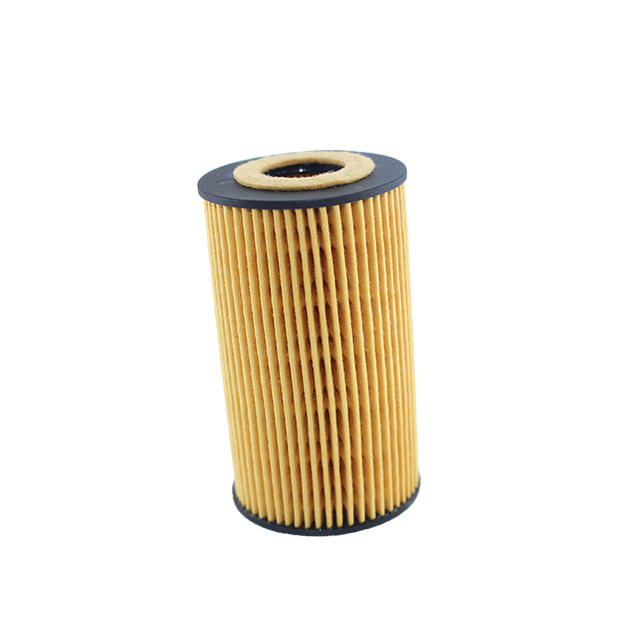
A car fuel oil filter is responsible for removing impurities and contaminants from the fuel before it reaches the engine. It plays a vital role in preventing dirt, debris, and other particles from entering the engine's delicate components, such as the fuel injectors and cylinders. By ensuring a clean fuel supply, the filter protects against premature wear and tear, enhancing overall engine performance and longevity.
3. Factors to Consider When Choosing a Car Fuel Oil Filter
3.1 Filtration Efficiency and Micron Rating
When selecting a fuel oil filter, it is crucial to consider its filtration efficiency and micron rating. The filtration efficiency refers to the filter's ability to capture and retain particles of a specific size. A higher filtration efficiency ensures more effective removal of contaminants, safeguarding the engine against potential damage.
The micron rating indicates the size of particles that the filter can effectively remove. Opting for a filter with a lower micron rating can provide greater protection against smaller particles, thereby improving the overall cleanliness of the fuel supply.
3.2 Compatibility with Your Vehicle
Ensure that the fuel oil filter you choose is compatible with your specific make and model of vehicle. Different vehicles may have varying requirements in terms of size, mounting style, and connections. It is essential to consult your vehicle's manual or seek professional advice to ensure proper fitment and optimal performance.
3.3 Durability and Longevity
Investing in a durable and long-lasting fuel oil filter is essential for minimizing maintenance costs and ensuring consistent performance. Look for filters constructed from high-quality materials that can withstand the rigors of daily use and provide excellent resistance to corrosion and pressure. A filter with a longer lifespan will save you from frequent replacements and potential engine damage.
4. Benefits of Investing in a High-Quality Fuel Oil Filter
4.1 Enhanced Engine Performance
By effectively removing contaminants from the fuel supply, a high-quality fuel oil filter promotes optimal engine performance. It allows the engine to operate with clean fuel, ensuring efficient combustion and minimizing the risk of clogged fuel injectors or reduced power output. The result is smoother acceleration, improved throttle response, and overall better engine performance.
4.2 Extended Engine Lifespan
A reliable fuel oil filter acts as a protective barrier, guarding the engine against harmful particles that can cause premature wear and tear. By preventing contaminants from reaching critical engine components, such as the cylinders, pistons, and valves, the filter helps extend the engine's lifespan. Regularly replacing the filter according to the manufacturer's recommendations is crucial for maintaining long-term engine health.
4.3 Protection Against Potential Damage
Contaminated fuel can have detrimental effects on the engine, leading to costly repairs and decreased reliability. A high-quality fuel oil filter ensures that only clean fuel enters the engine, reducing the risk of damage caused by debris, rust, and other harmful contaminants. It provides peace of mind knowing that your engine is well-protected and less prone to unexpected breakdowns.
4.4 Improved Fuel Efficiency
An efficient fuel oil filter ensures that the engine receives the cleanest fuel possible, maximizing fuel combustion and optimizing fuel efficiency. By removing contaminants that may hinder proper combustion, the filter helps improve mileage and reduce fuel consumption. Investing in a reliable filter can lead to long-term savings on fuel costs.
5. Frequently Asked Questions (FAQs)
5.1 What is the purpose of a car fuel oil filter?
A car fuel oil filter is responsible for removing impurities and contaminants from the fuel before it reaches the engine. It ensures that only clean fuel enters the engine, protecting against potential damage and optimizing engine performance.
5.2 How often should a fuel oil filter be replaced?
The replacement interval for a fuel oil filter can vary depending on the specific vehicle and driving conditions. It is recommended to follow the manufacturer's guidelines and have the filter replaced during regular maintenance intervals, typically every 12,000 to 15,000 miles or as advised in the vehicle's manual.
5.3 Can I use any fuel oil filter for my car?
No, it is essential to choose a fuel oil filter that is compatible with your specific make and model of vehicle. Different vehicles may have varying requirements in terms of size, mounting style, and connections. Consult your vehicle's manual or seek professional advice to ensure the proper fitment of the filter.
5.4 How does a high-quality fuel oil filter improve engine performance?
A high-quality fuel oil filter effectively removes contaminants from the fuel supply, ensuring clean and debris-free fuel reaches the engine. This promotes efficient combustion, smoother acceleration, improved throttle response, and overall better engine performance.
5.5 Will a reliable fuel oil filter save me money on fuel costs?
Yes, a reliable fuel oil filter improves fuel efficiency by ensuring the engine receives clean fuel for optimal combustion. By removing contaminants that may hinder proper combustion, the filter helps improve mileage and reduce fuel consumption, resulting in long-term savings on fuel costs.
6. Conclusion: Making an Informed Choice for Your Car's Fuel Oil Filter
Choosing a durable and reliable car fuel oil filter is a critical step in maintaining your vehicle's overall performance and longevity. By considering factors such as filtration efficiency, compatibility, and durability, you can select a filter that offers optimal protection against potential damage, enhances engine performance, and improves fuel efficiency. Prioritizing the quality of your fuel oil filter ensures a cleaner fuel supply and contributes to the long-term health of your vehicle's engine. Invest wisely in a high-quality filter today to enjoy the benefits it brings in terms of efficiency, longevity, and overall engine performance.
Key words:

* Please Enter Keywords
The company is mainly engaged in the manufacture and sale of auto parts and accessories in the automobile manufacturing industry, the manufacture and sale of automobile rubber products, and the import and export of auto parts.