

 Esperanto
 Shqiptare
 Euskara
 Zulu
Zulu
 Latinus
 Cymraeg
 தமிழ்
தமிழ்
 Slovak
 Slovak
 Afrikaans
Focus On Hot Spots

Contact Info
E-mail: txgs@taixifilter.com
Manager Xu: +86-15097925576
Manager Feng: +86-15803195413
Address: North side of Caiyuan Village, Gexianzhuang Town, Qinghe County, Xingtai City, Hebei Province (No. 250)
How Automotive Air Conditioning Filters Improve Indoor Air Quality
Release Time:
Sep 13,2023
Table of Contents: 1. Introduction: Understanding the Importance of Indoor Air Quality 2. The Role of Automotive Air Conditioning Filters in Filtering Contaminants 3. How Automotive Air Conditioning Filters Improve Air Circulation 4. Reducing Allergens and Pollutants with Automotive Air Conditioning Filters 5. Eliminating Odors and Foul Smells in the Cabin 6. Preventing the Buildup of Dust and Deb
1. Introduction: Understanding the Importance of Indoor Air Quality
2. The Role of Automotive Air Conditioning Filters in Filtering Contaminants
3. How Automotive Air Conditioning Filters Improve Air Circulation
4. Reducing Allergens and Pollutants with Automotive Air Conditioning Filters
5. Eliminating Odors and Foul Smells in the Cabin
6. Preventing the Buildup of Dust and Debris in the AC System
7. FAQs about Automotive Air Conditioning Filters
- FAQ 1: How often should I replace my automotive air conditioning filter?
- FAQ 2: Can I clean my automotive air conditioning filter instead of replacing it?
- FAQ 3: Are there different types of automotive air conditioning filters?
- FAQ 4: Can a clogged automotive air conditioning filter affect the performance of my vehicle?
- FAQ 5: How can I tell if my automotive air conditioning filter needs to be replaced?
8. Conclusion: Enjoy Clean and Fresh Air with Automotive Air Conditioning Filters
1. Introduction: Understanding the Importance of Indoor Air Quality
When it comes to our overall well-being, the air we breathe plays a significant role. Whether at home or inside our vehicles, ensuring good indoor air quality is essential for a healthier living environment. In this article, we will explore how automotive air conditioning filters contribute to improving indoor air quality, allowing us to breathe cleaner and fresher air on the road.
2. The Role of Automotive Air Conditioning Filters in Filtering Contaminants
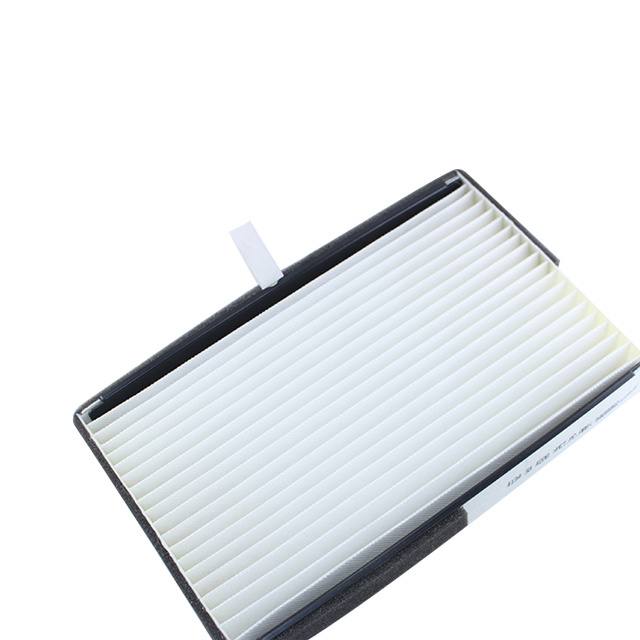
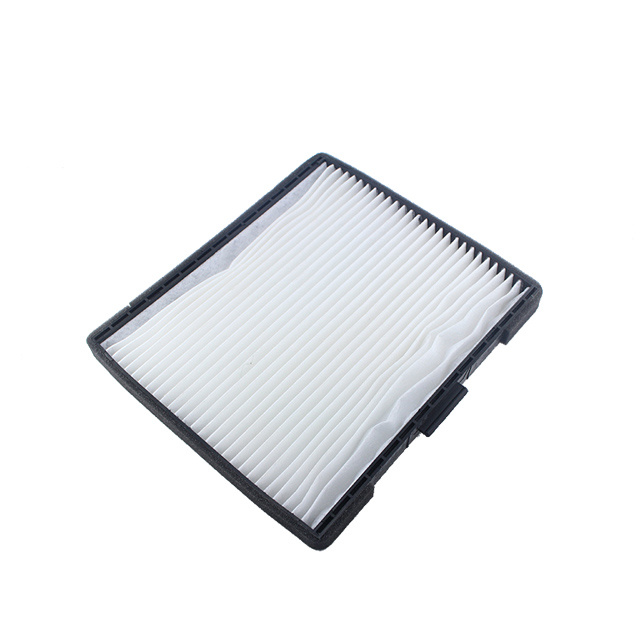
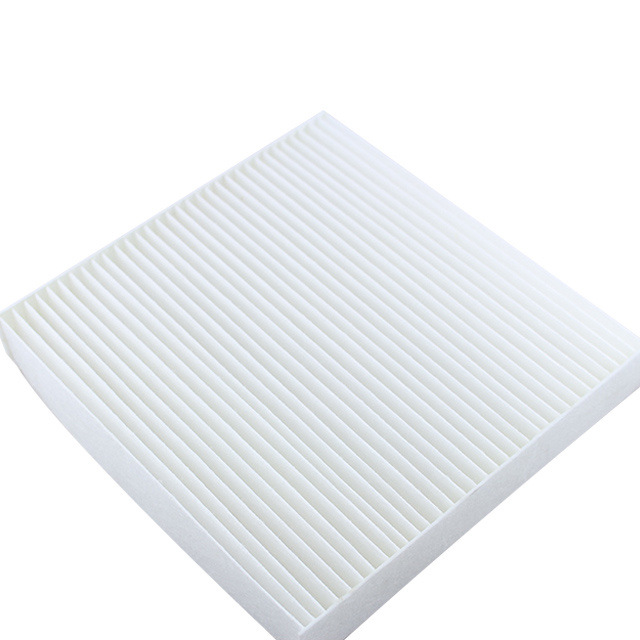
Automotive air conditioning filters, also known as cabin air filters, are designed to remove airborne contaminants from the air that enters the vehicle's cabin through the HVAC (heating, ventilation, and air conditioning) system. These filters act as a barrier against pollutants such as dust, pollen, allergens, and pollutants emitted from vehicles on the road.
By capturing these contaminants before they enter the cabin, automotive air conditioning filters help to ensure that the air circulating within the vehicle is cleaner and healthier for the occupants. This is particularly important for individuals with allergies, asthma, or other respiratory conditions, as it minimizes their exposure to potential triggers.
3. How Automotive Air Conditioning Filters Improve Air Circulation
In addition to filtering contaminants, automotive air conditioning filters also play a crucial role in facilitating proper air circulation within the vehicle. When the filter is clean and functioning optimally, it allows for the free flow of air through the HVAC system.
Efficient air circulation ensures that the air inside the cabin is adequately ventilated, preventing the air from feeling stale or stuffy. This is especially important during long drives or in situations where the vehicle is stationary, such as during traffic congestion or waiting for extended periods.
4. Reducing Allergens and Pollutants with Automotive Air Conditioning Filters
One of the significant benefits of automotive air conditioning filters is their ability to reduce allergens and pollutants in the cabin. Pollen, dust mites, mold spores, and other allergens can easily find their way into the vehicle, especially when driving with open windows or in areas with high levels of airborne particles.
By capturing these allergens before they reach the cabin, automotive air conditioning filters help to minimize the risk of allergic reactions or respiratory irritations. This is particularly important for individuals who are sensitive to allergens or have allergic conditions such as hay fever.
5. Eliminating Odors and Foul Smells in the Cabin
Another advantage of automotive air conditioning filters is their ability to eliminate unpleasant odors and foul smells in the vehicle's cabin. These filters are equipped with activated carbon or charcoal layers that absorb and neutralize odorous compounds present in the air.
Whether it's the smell of exhaust fumes from other vehicles, food odors, or pet smells, the automotive air conditioning filter works to improve the overall air quality by eliminating these unwanted odors. This ensures a more pleasant and comfortable driving experience for the occupants.
6. Preventing the Buildup of Dust and Debris in the AC System
In addition to enhancing indoor air quality, automotive air conditioning filters also play a crucial role in maintaining the efficiency and longevity of the AC system. When the filter is clogged or dirty, it restricts the airflow, causing the AC system to work harder to cool or heat the cabin.
A clogged filter can also lead to the buildup of dust, debris, and other particles in the AC system, affecting its performance and potentially causing damage. Regularly replacing or cleaning the automotive air conditioning filter prevents these issues, ensuring the AC system operates smoothly and efficiently.
7. FAQs about Automotive Air Conditioning Filters
FAQ 1: How often should I replace my automotive air conditioning filter?
- It is recommended to replace the automotive air conditioning filter every 12,000 to 15,000 miles or as specified by the vehicle manufacturer. However, if you frequently drive in dusty or polluted environments, it may be necessary to replace the filter more frequently.
FAQ 2: Can I clean my automotive air conditioning filter instead of replacing it?
- Some automotive air conditioning filters can be cleaned and reused, while others are disposable and should be replaced. Refer to the manufacturer's instructions or consult a professional for guidance on whether your specific filter can be cleaned.
FAQ 3: Are there different types of automotive air conditioning filters?
- Yes, there are various types of automotive air conditioning filters available, including particulate filters, activated carbon filters, and electrostatic filters. Each type offers different levels of filtration and odor control. Choose a filter that suits your specific needs and preferences.
FAQ 4: Can a clogged automotive air conditioning filter affect the performance of my vehicle?
- Yes, a clogged filter can restrict airflow, causing the AC system to work harder and potentially leading to decreased cooling or heating efficiency. It can also put strain on the blower motor, resulting in increased energy consumption and potential damage to the system.
FAQ 5: How can I tell if my automotive air conditioning filter needs to be replaced?
- Signs that your automotive air conditioning filter may need replacement include reduced airflow from the vents, unpleasant odors in the cabin, increased dust accumulation on surfaces, or allergic reactions or respiratory symptoms experienced by occupants.
8. Conclusion: Enjoy Clean and Fresh Air with Automotive Air Conditioning Filters
In conclusion, automotive air conditioning filters play a vital role in improving indoor air quality by filtering contaminants, enhancing air circulation, reducing allergens and pollutants, eliminating odors, and preventing the buildup of dust and debris in the AC system. Regular maintenance and timely replacement of these filters are essential to ensure optimal performance and a healthier driving environment. By investing in automotive air conditioning filters, you can enjoy clean and fresh air during your journeys while prioritizing your well-being and comfort.
Key words:

* Please Enter Keywords
The company is mainly engaged in the manufacture and sale of auto parts and accessories in the automobile manufacturing industry, the manufacture and sale of automobile rubber products, and the import and export of auto parts.