

 Esperanto
 Shqiptare
 Euskara
 Zulu
Zulu
 Latinus
 Cymraeg
 தமிழ்
தமிழ்
 Slovak
 Slovak
 Afrikaans
Focus On Hot Spots
Contact Info
E-mail: txgs@taixifilter.com
Manager Xu: +86-15097925576
Manager Feng: +86-15803195413
Address: North side of Caiyuan Village, Gexianzhuang Town, Qinghe County, Xingtai City, Hebei Province (No. 250)
How to Choose the Right Air Filter for Your Central Air Conditioner
Release Time:
Sep 17,2023
Table of Contents: 1. Introduction 2. Understanding the Importance of Air Filters 3. Types of Air Filters 3.1 Fiberglass Filters 3.2 Pleated Filters 3.3 Electrostatic Filters 3.4 HEPA Filters 4. MERV Ratings and Efficiency 4.1 What is MERV? 4.2 Choosing the Right MERV Rating 5. Sizing Your Air Filter 5.1 Measuring Your Current Filter 5.2 Determining the Correct Size 6. Spec
1. Introduction
2. Understanding the Importance of Air Filters
3. Types of Air Filters
3.1 Fiberglass Filters
3.2 Pleated Filters
3.3 Electrostatic Filters
3.4 HEPA Filters
4. MERV Ratings and Efficiency
4.1 What is MERV?
4.2 Choosing the Right MERV Rating
5. Sizing Your Air Filter
5.1 Measuring Your Current Filter
5.2 Determining the Correct Size
6. Specialty Filters
6.1 Odor-Reducing Filters
6.2 Allergen-Reducing Filters
6.3 Pet Dander Filters
7. Frequently Asked Questions
7.1 How often should I change my air filter?
7.2 Can I clean and reuse my air filter?
7.3 Can I upgrade my air filter for better performance?
7.4 Is it necessary to hire a professional to install the air filter?
7.5 How does a dirty air filter affect the efficiency of my central air conditioner?
7.6 Are expensive air filters always better?
8. Conclusion
1. Introduction
Choosing the right air filter for your central air conditioner is crucial for maintaining good indoor air quality and maximizing the efficiency of your cooling system. With so many options available, it can be overwhelming to determine which filter is best suited for your needs. In this comprehensive guide, we will walk you through the different types of air filters, explain MERV ratings and efficiency, help you size your filter correctly, and explore specialty filters for specific needs.
2. Understanding the Importance of Air Filters
Air filters play a vital role in trapping dust, pollen, pet dander, and other airborne particles, preventing them from circulating throughout your home. This is especially important for individuals with allergies or respiratory conditions. Additionally, air filters help keep your central air conditioner's components clean and free from debris, improving its overall performance and extending its lifespan.
3. Types of Air Filters
3.1 Fiberglass Filters
Fiberglass filters are the most basic and affordable option. They consist of a thin layer of fiberglass fibers that capture larger particles but may not be as effective at capturing smaller contaminants.
3.2 Pleated Filters
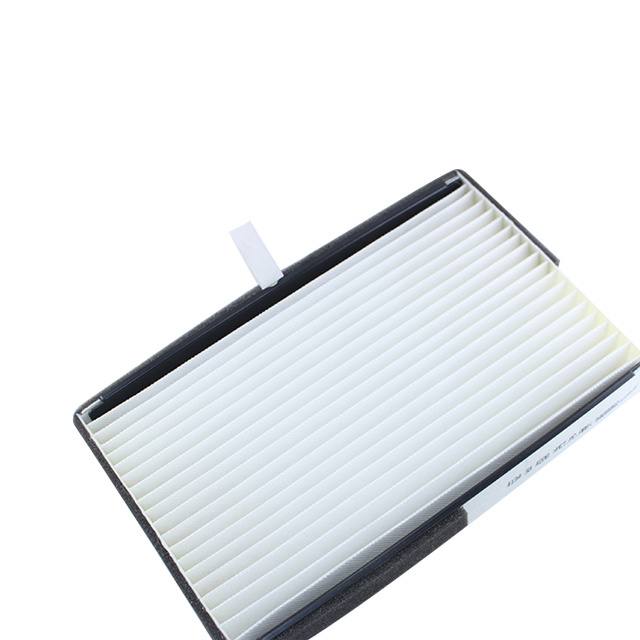
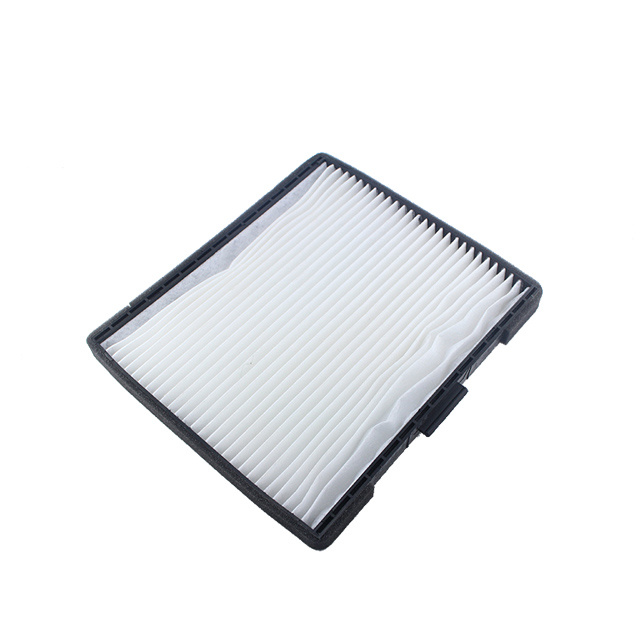
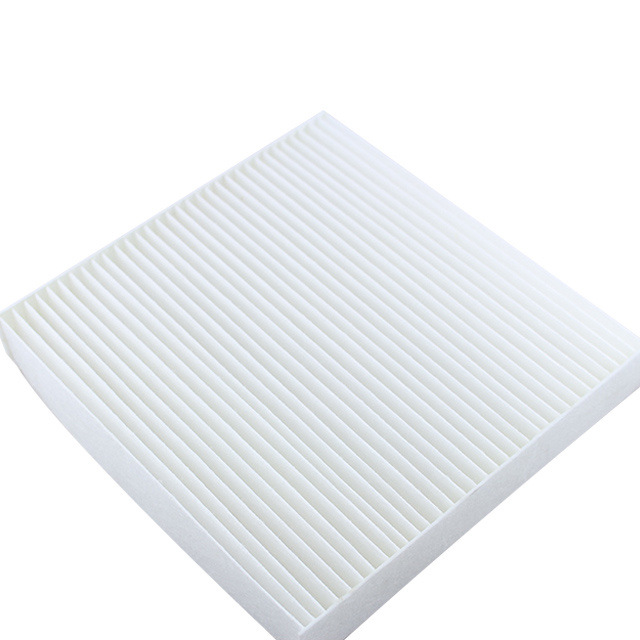
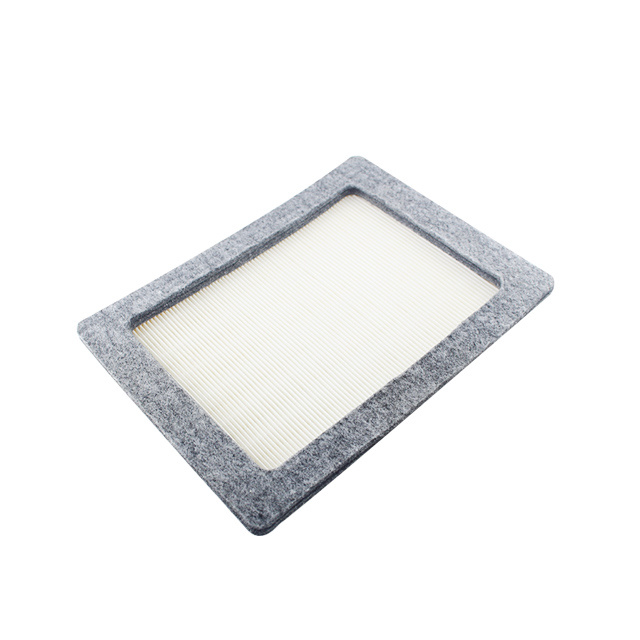
Pleated filters offer higher filtration efficiency compared to fiberglass filters. They are constructed with pleats that increase the surface area, allowing for better particle trapping. Pleated filters are available in various MERV ratings and are suitable for most homes.
3.3 Electrostatic Filters
Electrostatic filters utilize an electrostatic charge to attract and capture airborne particles. They are highly effective at trapping smaller particles and can be either washable or disposable. Electrostatic filters are a great option for individuals with allergies or asthma.
3.4 HEPA Filters
HEPA (High-Efficiency Particulate Air) filters are the gold standard when it comes to air filtration. They can capture up to 99.97% of particles as small as 0.3 microns. HEPA filters are commonly used in hospitals and laboratories and are ideal for individuals with severe allergies or respiratory conditions.
4. MERV Ratings and Efficiency
4.1 What is MERV?
MERV (Minimum Efficiency Reporting Value) is a rating system that indicates the effectiveness of an air filter in trapping particles of different sizes. The higher the MERV rating, the better the filter's efficiency.
4.2 Choosing the Right MERV Rating
When selecting an air filter, consider the specific needs of your household. A MERV rating between 8 and 13 is generally recommended for most homes, as it provides a good balance between filtration efficiency and airflow. However, if you have severe allergies or live in an area with high levels of pollutants, you may opt for a higher MERV rating.
5. Sizing Your Air Filter
5.1 Measuring Your Current Filter
To determine the correct size for your air filter, start by examining your current filter. Note down the dimensions, including width, height, and thickness. Most filters have the dimensions printed on the frame for easy reference.
5.2 Determining the Correct Size
If you don't have an existing filter or need to verify the size, measure the filter slot where the air filter is inserted. Use a tape measure to determine the width, height, and thickness of the slot. Round up the measurements to the nearest inch when selecting a new filter.
6. Specialty Filters
6.1 Odor-Reducing Filters
Odor-reducing filters contain activated carbon, which can effectively trap and neutralize unpleasant odors from cooking, pets, or tobacco smoke. These filters are a great addition to households where odor control is a concern.
6.2 Allergen-Reducing Filters
Allergen-reducing filters are specifically designed to capture common allergens such as pollen, dust mites, and mold spores. They are an excellent choice for individuals with allergies or asthma.
6.3 Pet Dander Filters
Pet dander filters are engineered to capture pet hair, dander, and other allergens associated with pets. These filters help keep your home clean and reduce the impact of allergies caused by pets.
7. Frequently Asked Questions
7.1 How often should I change my air filter?
It is generally recommended to change your air filter every 30-90 days, depending on factors such as the filter type, indoor air quality, and the presence of pets or smokers in your home.
7.2 Can I clean and reuse my air filter?
Most air filters are designed to be disposable and should be replaced when they become dirty or clogged. Attempting to clean and reuse a disposable filter may result in reduced efficiency and compromised air quality.
7.3 Can I upgrade my air filter for better performance?
Yes, you can upgrade your air filter for better performance by selecting a filter with a higher MERV rating or opting for a specialty filter that addresses specific concerns such as allergies or odors.
7.4 Is it necessary to hire a professional to install the air filter?
No, installing an air filter is a simple task that can be done by most homeowners. However, if you are unsure or have a complex HVAC system, it is advisable to consult a professional.
7.5 How does a dirty air filter affect the efficiency of my central air conditioner?
A dirty air filter restricts airflow, forcing your central air conditioner to work harder to maintain the desired temperature. This puts unnecessary strain on the system, leading to increased energy consumption and potential damage to the unit.
7.6 Are expensive air filters always better?
Not necessarily. While expensive air filters may offer advanced features or higher MERV ratings, it is important to consider your specific needs and budget. A filter with a suitable MERV rating and regular replacement can provide adequate filtration for most homes.
8. Conclusion
Choosing the right air filter for your central air conditioner is crucial for maintaining clean indoor air and optimizing the performance of your cooling system. By understanding the different types of filters, MERV ratings, and how to size them correctly, you can make an informed decision that best suits your needs. Regularly replacing your air filter and considering specialty filters can greatly improve your indoor air quality, providing a healthier and more comfortable environment for you and your family.
Key words:

* Please Enter Keywords
The company is mainly engaged in the manufacture and sale of auto parts and accessories in the automobile manufacturing industry, the manufacture and sale of automobile rubber products, and the import and export of auto parts.