

 Esperanto
 Shqiptare
 Euskara
 Zulu
Zulu
 Latinus
 Cymraeg
 தமிழ்
தமிழ்
 Slovak
 Slovak
 Afrikaans
Focus On Hot Spots

Contact Info
E-mail: txgs@taixifilter.com
Manager Xu: +86-15097925576
Manager Feng: +86-15803195413
Address: North side of Caiyuan Village, Gexianzhuang Town, Qinghe County, Xingtai City, Hebei Province (No. 250)
Air Filter in Central Air Conditioner: Everything You Need to Know
Release Time:
Sep 17,2023
Introduction: Air filters play a crucial role in maintaining the efficiency and performance of central air conditioners. In the industrial equipment and components sector, specifically in the field of filtration devices, air filters are indispensable components. This article will provide comprehensive insights into the significance of air filters in central air conditioners and their contribution
Air filters play a crucial role in maintaining the efficiency and performance of central air conditioners. In the industrial equipment and components sector, specifically in the field of filtration devices, air filters are indispensable components. This article will provide comprehensive insights into the significance of air filters in central air conditioners and their contribution to the overall functionality of filtration equipment.
1. Understanding the Purpose of Air Filters:
Air filters in central air conditioners are designed to capture airborne particles, pollutants, and contaminants. They prevent these substances from entering the air conditioning system, ensuring cleaner and healthier air. By filtering out dust, pollen, mold spores, and other allergens, air filters create a more comfortable and breathable indoor environment.
2. Types of Air Filters:
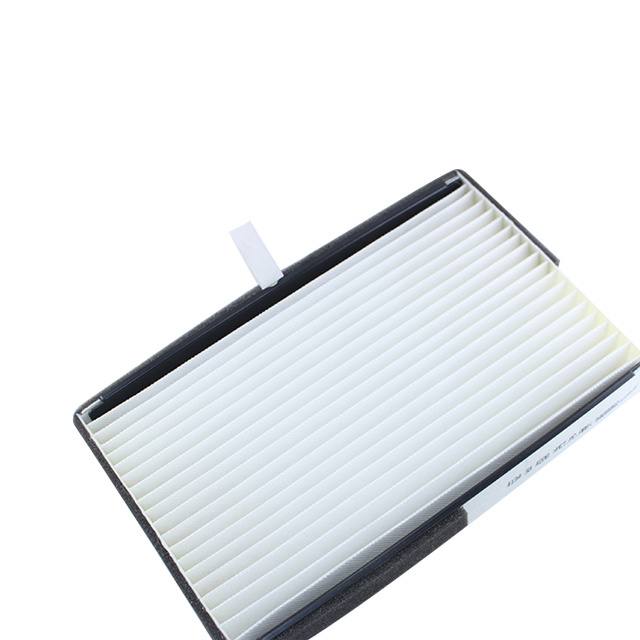
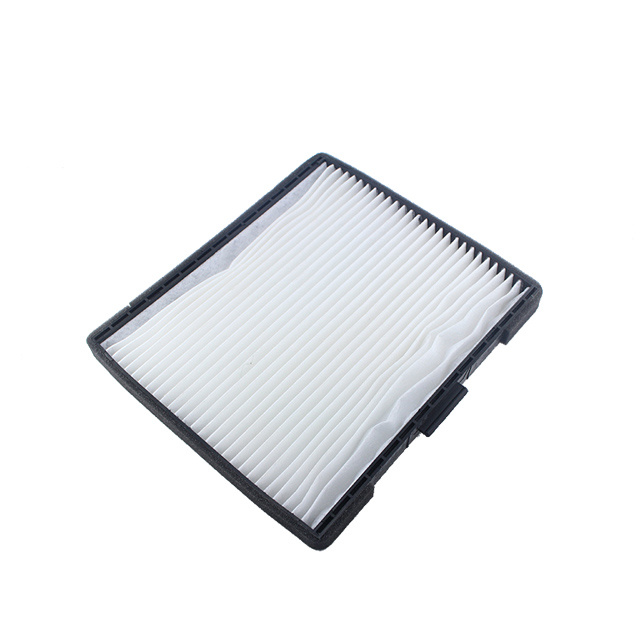
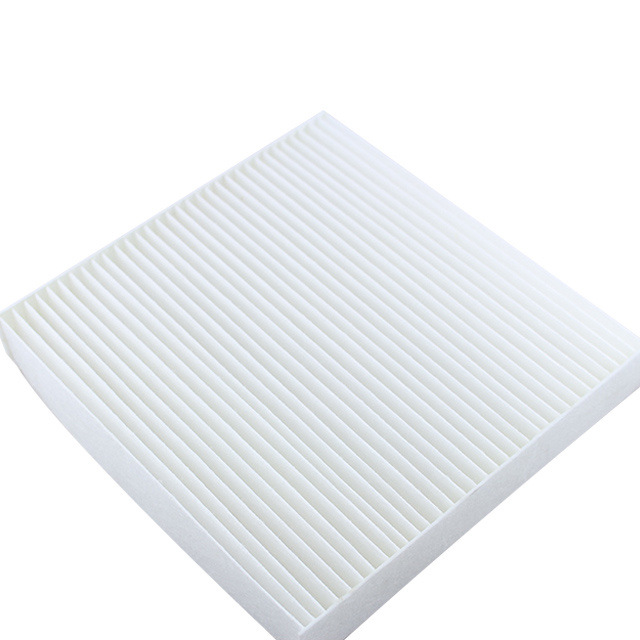
Various types of air filters are available for central air conditioners, including fiberglass filters, pleated filters, electrostatic filters, and HEPA filters. Each type has unique characteristics and filtration efficiency. It is essential to choose an air filter that suits the specific requirements of your industrial filtration equipment.
3. Maintaining Air Filters:
Regular maintenance of air filters is vital to ensure optimal performance and longevity of central air conditioners. Depending on the type of filter, cleaning or replacement may be necessary. It is recommended to follow manufacturer guidelines and change air filters at least every three months to maintain their efficiency.
4. Impact on Energy Efficiency:
Clean air filters contribute to the energy efficiency of central air conditioners. When filters become clogged with dirt and debris, the airflow is restricted, causing the system to work harder and consume more energy. By regularly cleaning or replacing air filters, you can enhance the overall energy efficiency of your industrial filtration equipment.
5. Enhancing Air Quality:
One of the primary benefits of air filters is improving indoor air quality. In industrial settings, where airborne particles and contaminants are prevalent, high-quality air filters are essential. They help remove pollutants, allergens, and potentially harmful substances, ensuring a healthier working environment for employees and minimizing the risk of respiratory issues.
6. Importance of Proper Sizing:
Selecting the correct size of air filter for your central air conditioner is crucial. An improperly sized filter may not effectively capture particles and can lead to reduced system performance. Consult with industry professionals or refer to equipment specifications to determine the appropriate filter size for your specific industrial filtration equipment.
Conclusion:
Air filters in central air conditioners play a vital role in maintaining clean and healthy indoor environments. In the realm of industrial equipment and components, particularly in the field of filtration devices, air filters are integral components. By understanding their purpose, types, maintenance requirements, and impact on energy efficiency and air quality, it becomes clear why air filters are essential for optimal performance in industrial filtration equipment. Ensure you choose the right air filter and prioritize regular maintenance to enjoy the benefits of cleaner air and increased system efficiency.
Key words:

* Please Enter Keywords
The company is mainly engaged in the manufacture and sale of auto parts and accessories in the automobile manufacturing industry, the manufacture and sale of automobile rubber products, and the import and export of auto parts.