

 Esperanto
 Shqiptare
 Euskara
 Zulu
Zulu
 Latinus
 Cymraeg
 தமிழ்
தமிழ்
 Slovak
 Slovak
 Afrikaans
Focus On Hot Spots
Contact Info
E-mail: txgs@taixifilter.com
Manager Xu: +86-15097925576
Manager Feng: +86-15803195413
Address: North side of Caiyuan Village, Gexianzhuang Town, Qinghe County, Xingtai City, Hebei Province (No. 250)
The Importance of Air Conditioning System Filters: Improve Indoor Air Quality and Extend the Lifespan of Your AC
Release Time:
Sep 27,2023
Table of Contents: 1. Introduction: Why Air Conditioning System Filters Matter 2. How Air Conditioning System Filters Work 3. Types of Air Conditioning System Filters 3.1 Fiberglass Filters 3.2 Pleated Filters 3.3 Electrostatic Filters 3.4 HEPA Filters 4. Benefits of Using High-Quality Air Conditioning System Filters 4.1 Improved Indoor Air Quality 4.2 Enhanced Energy Efficiency
1. Introduction: Why Air Conditioning System Filters Matter
2. How Air Conditioning System Filters Work
3. Types of Air Conditioning System Filters
3.1 Fiberglass Filters
3.2 Pleated Filters
3.3 Electrostatic Filters
3.4 HEPA Filters
4. Benefits of Using High-Quality Air Conditioning System Filters
4.1 Improved Indoor Air Quality
4.2 Enhanced Energy Efficiency
4.3 Extended Lifespan of Your AC Unit
5. How to Choose the Right Air Conditioning System Filter
5.1 Consider Your Indoor Air Quality Needs
5.2 Understand MERV Ratings
5.3 Evaluate Filter Longevity and Maintenance
6. Common FAQ About Air Conditioning System Filters
6.1 How often should air conditioning system filters be changed?
6.2 Can I clean and reuse my air conditioning system filter?
6.3 What are the signs of a clogged or dirty air conditioning system filter?
6.4 Can using high-efficiency air conditioning system filters save me money on energy bills?
6.5 Are there any health risks associated with using air conditioning system filters?
7. Conclusion: Prioritize Clean Air and Optimize Your AC System with Quality Filters
1. Introduction: Why Air Conditioning System Filters Matter
Air conditioning system filters are a vital component of any AC unit. They play a significant role in maintaining a healthy indoor environment by capturing airborne particles, allergens, and pollutants. Additionally, these filters help optimize the performance and longevity of your AC system, saving you money on repairs and energy costs.
2. How Air Conditioning System Filters Work
Air conditioning system filters work by trapping dust, pollen, pet dander, mold spores, and other contaminants as air passes through the AC unit. The filter's fibers act as a physical barrier, preventing these particles from circulating in your home and improving the overall air quality.
3. Types of Air Conditioning System Filters
3.1 Fiberglass Filters
Fiberglass filters are the most basic and affordable option. They are made of layered fiberglass fibers that capture larger particles but are less efficient in trapping smaller particles.
3.2 Pleated Filters
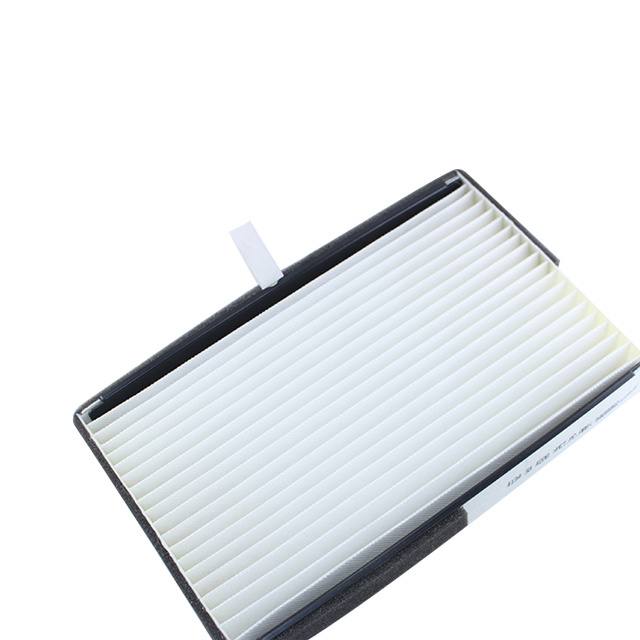
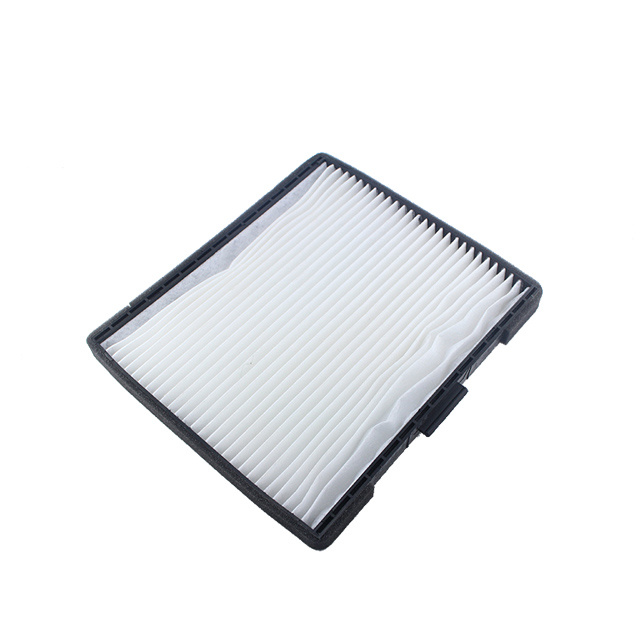
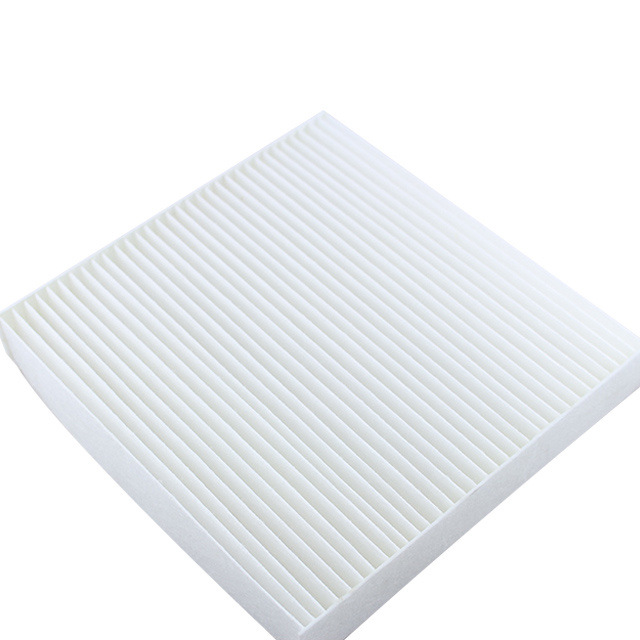
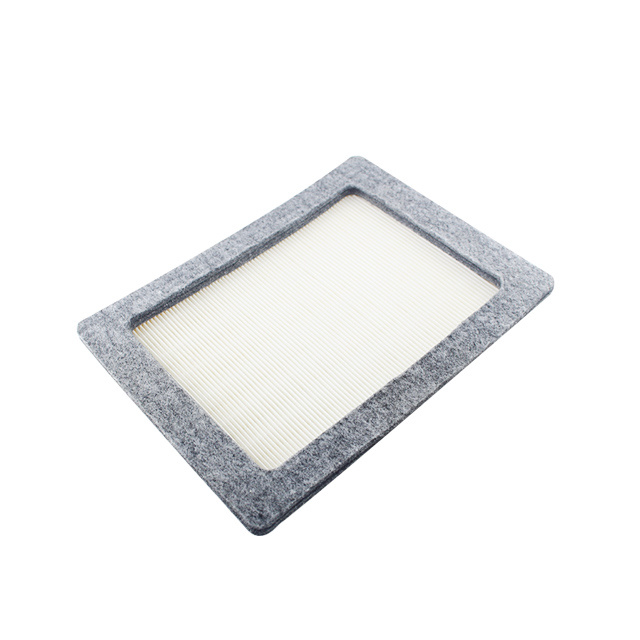
Pleated filters offer better filtration performance than fiberglass filters. Their folded design increases the surface area, allowing for more particles to be trapped, including smaller allergens and dust.
3.3 Electrostatic Filters
Electrostatic filters use static electricity to attract and capture particles. They are effective in removing smaller pollutants and can be reusable, making them a cost-effective option in the long run.
3.4 HEPA Filters
High-Efficiency Particulate Air (HEPA) filters provide the highest level of filtration. They can capture particles as small as 0.3 microns, including bacteria, viruses, and smoke. HEPA filters are especially recommended for those with respiratory conditions or allergies.
4. Benefits of Using High-Quality Air Conditioning System Filters
4.1 Improved Indoor Air Quality
By removing pollutants and allergens from the air, high-quality air conditioning system filters significantly improve indoor air quality. This is particularly important for individuals with allergies, asthma, or other respiratory issues.
4.2 Enhanced Energy Efficiency
Clean filters allow for better airflow, reducing the strain on your AC unit's fan and motor. This, in turn, improves energy efficiency and helps lower your monthly energy bills.
4.3 Extended Lifespan of Your AC Unit
Regularly replacing or cleaning your air conditioning system filters prevents dust and debris from accumulating inside the AC unit. This reduces wear and tear on the system, leading to a longer lifespan and fewer costly repairs.
5. How to Choose the Right Air Conditioning System Filter
5.1 Consider Your Indoor Air Quality Needs
If you have allergies or respiratory conditions, opt for filters with higher MERV ratings or HEPA filters. If your main concern is general air quality, lower MERV rated filters may suffice.
5.2 Understand MERV Ratings
MERV (Minimum Efficiency Reporting Value) ratings indicate a filter's ability to capture particles of different sizes. The higher the MERV rating, the more efficient the filter is in trapping smaller particles. However, it's essential to ensure your AC unit can handle the airflow resistance caused by higher MERV rated filters.
5.3 Evaluate Filter Longevity and Maintenance
Consider how often the filter needs to be replaced or cleaned. Some filters have longer lifespans but may require more frequent maintenance. Choose a filter that aligns with your maintenance preferences and schedule.
6. Common FAQ About Air Conditioning System Filters
6.1 How often should air conditioning system filters be changed?
It is generally recommended to change the filter every 1-3 months, depending on factors such as the filter type, indoor air quality, and usage. However, it is advisable to check the manufacturer's recommendations for your specific AC unit.
6.2 Can I clean and reuse my air conditioning system filter?
Some filters, such as electrostatic filters, can be cleaned and reused. However, disposable filters are typically meant to be replaced. Check the manufacturer's instructions for proper cleaning and maintenance guidelines.
6.3 What are the signs of a clogged or dirty air conditioning system filter?
Signs of a clogged or dirty filter include reduced airflow, increased energy consumption, poor air quality, and visible dust or debris on the filter. If you notice these signs, it's time to either clean or replace the filter.
6.4 Can using high-efficiency air conditioning system filters save me money on energy bills?
Yes, using high-efficiency filters can improve the energy efficiency of your AC unit by allowing better airflow and reducing strain on the system. This, in turn, can lead to lower energy bills.
6.5 Are there any health risks associated with using air conditioning system filters?
There are no significant health risks associated with using air conditioning system filters. However, it's essential to choose filters that are appropriate for your specific needs and follow proper maintenance guidelines.
7. Conclusion: Prioritize Clean Air and Optimize Your AC System with Quality Filters
Air conditioning system filters are indispensable for maintaining clean and healthy indoor air quality. By investing in high-quality filters and adhering to regular maintenance schedules, you can improve your overall comfort, extend the lifespan of your AC unit, and enjoy energy savings. Remember to choose filters that align with your air quality needs and follow the manufacturer's recommendations for optimal performance.
Key words:

* Please Enter Keywords
The company is mainly engaged in the manufacture and sale of auto parts and accessories in the automobile manufacturing industry, the manufacture and sale of automobile rubber products, and the import and export of auto parts.