

 Esperanto
 Shqiptare
 Euskara
 Zulu
Zulu
 Latinus
 Cymraeg
 தமிழ்
தமிழ்
 Slovak
 Slovak
 Afrikaans
Focus On Hot Spots
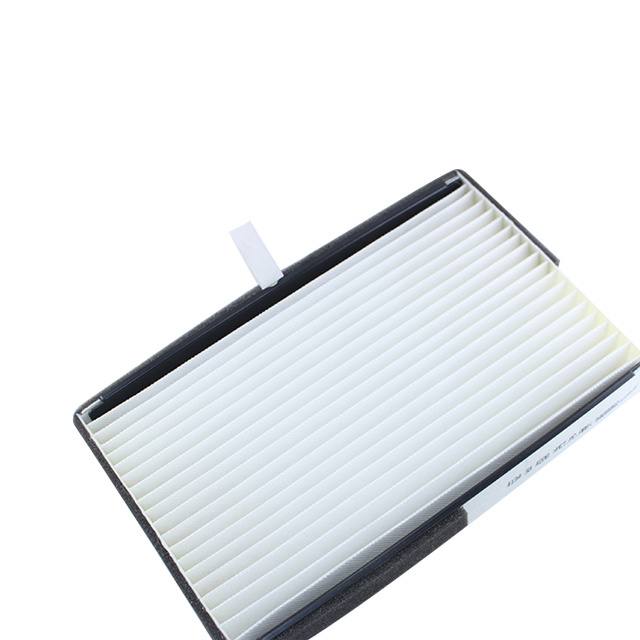
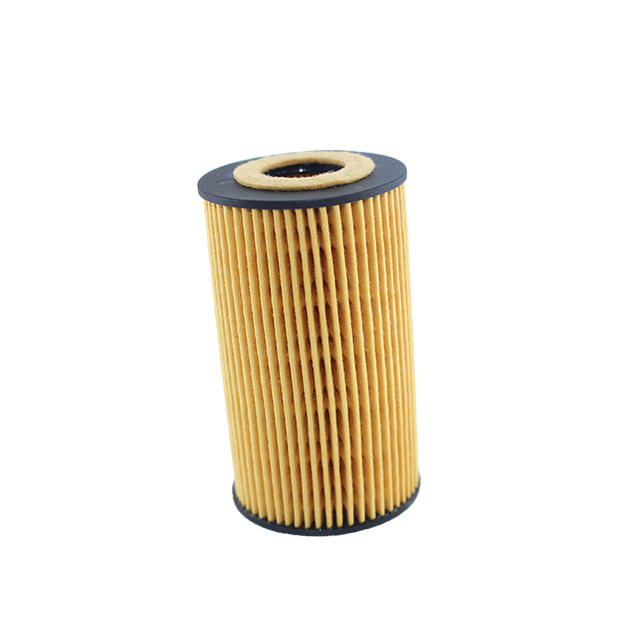
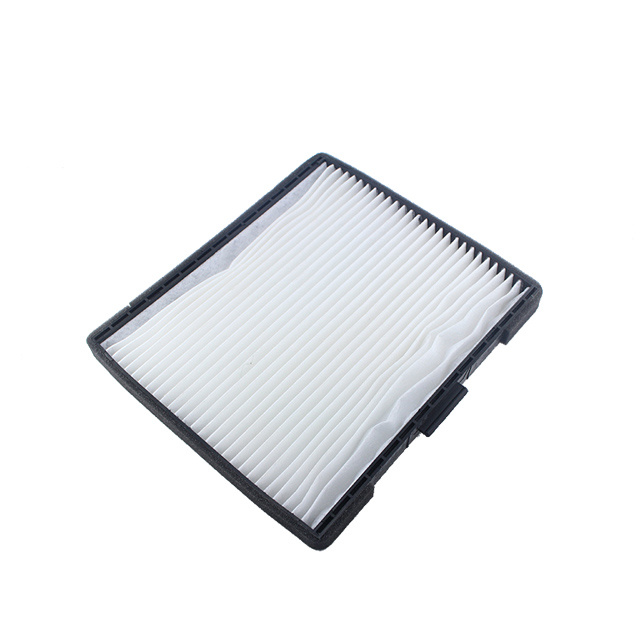
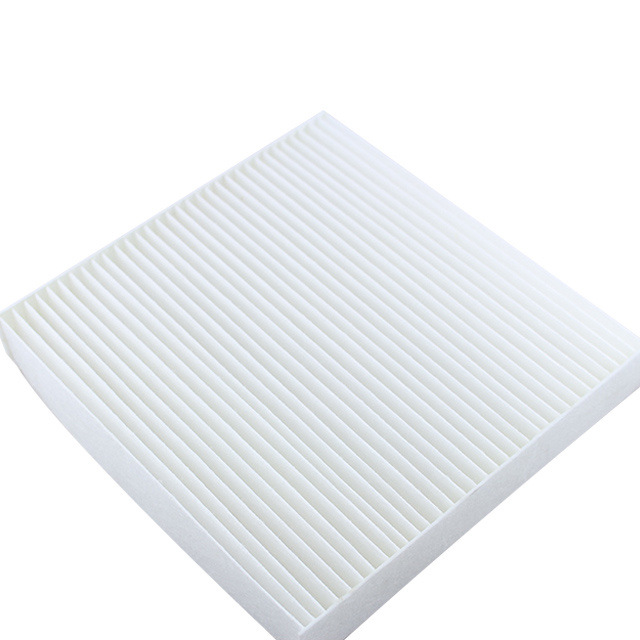
Contact Info
E-mail: txgs@taixifilter.com
Manager Xu: +86-15097925576
Manager Feng: +86-15803195413
Address: North side of Caiyuan Village, Gexianzhuang Town, Qinghe County, Xingtai City, Hebei Province (No. 250)
Choosing the Right Air Conditioning System Filters for Your Needs
Release Time:
Sep 27,2023
Table of Contents: 1. Introduction 2. Understanding the Importance of Air Conditioning System Filters 3. Types of Air Conditioning System Filters 3.1 Fiberglass Filters 3.2 Pleated Filters 3.3 Electrostatic Filters 3.4 High-Efficiency Filters 4. Factors to Consider When Choosing Air Conditioning System Filters 4.1 Filter Efficiency 4.2 Filter Ratings 4.3 Filter Lifespan 4.4
1. Introduction
2. Understanding the Importance of Air Conditioning System Filters
3. Types of Air Conditioning System Filters
3.1 Fiberglass Filters
3.2 Pleated Filters
3.3 Electrostatic Filters
3.4 High-Efficiency Filters
4. Factors to Consider When Choosing Air Conditioning System Filters
4.1 Filter Efficiency
4.2 Filter Ratings
4.3 Filter Lifespan
4.4 Filter Size
4.5 Filter Maintenance
5. Frequently Asked Questions (FAQs)
5.1 Can I reuse air conditioning system filters?
5.2 How often should I change air conditioning system filters?
5.3 What happens if I don't replace air conditioning system filters?
5.4 Are expensive filters always better?
5.5 Can I install air conditioning system filters myself?
6. Conclusion
1. Introduction
When it comes to maintaining a comfortable and healthy indoor environment, choosing the right air conditioning system filters is crucial. These filters not only help to improve air quality but also ensure the optimal performance and efficiency of your AC unit. In this guide, we will walk you through the process of selecting the most suitable air conditioning system filters for your specific needs.
2. Understanding the Importance of Air Conditioning System Filters
Air conditioning system filters play a vital role in improving indoor air quality by trapping dust, allergens, and other airborne particles. Additionally, they help to protect the internal components of your AC unit from damage caused by dust and debris. By choosing the right filters, you can create a healthier and more comfortable living environment for you and your family.
3. Types of Air Conditioning System Filters
3.1 Fiberglass Filters
Fiberglass filters are the most common type of air conditioning system filters. They are inexpensive and provide basic filtration by capturing large particles. However, they may not be as effective in removing smaller particles or allergens.
3.2 Pleated Filters
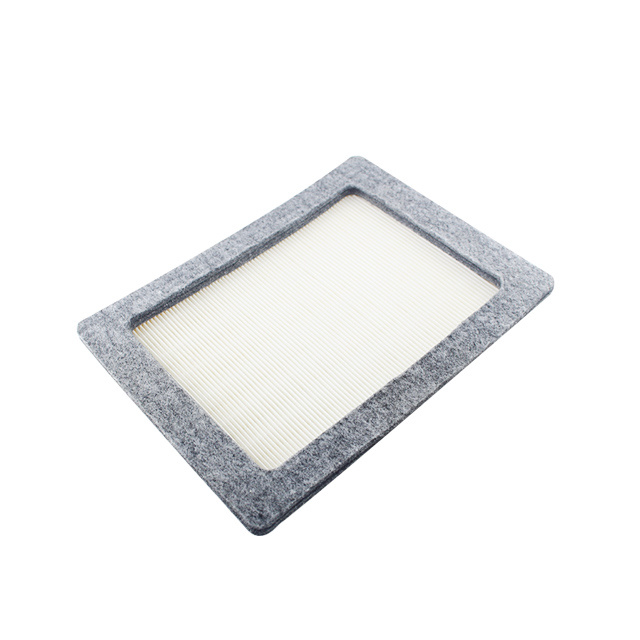
Pleated filters offer better filtration compared to fiberglass filters. They have a larger surface area and can capture smaller particles, including allergens. Pleated filters are available in various sizes and efficiency ratings, making them a popular choice for many homeowners.
3.3 Electrostatic Filters
Electrostatic filters are designed to attract and capture airborne particles using static electricity. These filters are washable and reusable, making them a cost-effective option in the long run. They are particularly effective in trapping smaller particles, such as pet dander and pollen.
3.4 High-Efficiency Filters
High-efficiency filters, also known as HEPA filters, provide the highest level of filtration. They can capture up to 99.97% of particles as small as 0.3 microns. These filters are highly recommended for individuals with allergies or respiratory conditions. However, it's important to note that HEPA filters may require modifications to your AC unit due to their high density.
4. Factors to Consider When Choosing Air Conditioning System Filters
4.1 Filter Efficiency
Filter efficiency refers to the ability of a filter to capture particles of different sizes. Consider the specific pollutants you want to remove from your indoor air and choose a filter with a suitable efficiency rating.
4.2 Filter Ratings
Filters are usually assigned a Minimum Efficiency Reporting Value (MERV) rating, which indicates their filtration capabilities. The higher the MERV rating, the better the filter's performance. However, it's essential to ensure that your AC unit can handle the pressure drop associated with higher-rated filters.
4.3 Filter Lifespan
The lifespan of an air conditioning system filter varies depending on factors such as usage, indoor air quality, and the type of filter. Some filters need to be replaced every month, while others can last up to six months. Consider the maintenance requirements and costs associated with each filter type.
4.4 Filter Size
Choosing the correct filter size is crucial for proper installation and effective filtration. Refer to your AC unit's manual or consult a professional to determine the appropriate filter size for your system.
4.5 Filter Maintenance
Regular maintenance is essential to ensure the optimal performance of your air conditioning system filters. Familiarize yourself with the recommended cleaning or replacement intervals for your chosen filter type.
5. Frequently Asked Questions (FAQs)
5.1 Can I reuse air conditioning system filters?
Reusable filters, such as electrostatic filters, can be washed and reused. However, it's important to follow the manufacturer's instructions and ensure that the filter is completely dry before reinstalling it.
5.2 How often should I change air conditioning system filters?
The frequency of filter changes depends on various factors, including the type of filter, indoor air quality, and usage. As a general guideline, fiberglass filters should be replaced every 30 days, pleated filters every 90 days, and high-efficiency filters every 6 months.
5.3 What happens if I don't replace air conditioning system filters?
Failing to replace filters regularly can lead to reduced airflow, decreased energy efficiency, and poor indoor air quality. It can also put additional strain on your AC unit, potentially leading to system breakdowns and costly repairs.
5.4 Are expensive filters always better?
While expensive filters may offer higher filtration efficiency, they may not always be necessary for every household. Consider your specific air quality requirements and budget when selecting filters.
5.5 Can I install air conditioning system filters myself?
In most cases, installing air conditioning system filters is a simple DIY task. However, if you're unsure or uncomfortable with the process, it's best to consult a professional HVAC technician.
6. Conclusion
Choosing the right air conditioning system filters is essential for maintaining a healthy and comfortable indoor environment. Consider factors such as filter efficiency, ratings, lifespan, size, and maintenance requirements to make an informed decision. By selecting the most suitable filters, you can ensure optimal performance, energy efficiency, and improved indoor air quality for years to come.
Key words:

* Please Enter Keywords
The company is mainly engaged in the manufacture and sale of auto parts and accessories in the automobile manufacturing industry, the manufacture and sale of automobile rubber products, and the import and export of auto parts.