

 Esperanto
 Shqiptare
 Euskara
 Zulu
Zulu
 Latinus
 Cymraeg
 தமிழ்
தமிழ்
 Slovak
 Slovak
 Afrikaans
Focus On Hot Spots

Contact Info
E-mail: txgs@taixifilter.com
Manager Xu: +86-15097925576
Manager Feng: +86-15803195413
Address: North side of Caiyuan Village, Gexianzhuang Town, Qinghe County, Xingtai City, Hebei Province (No. 250)
Understanding Air Conditioning System Filters for Industrial Equipment and Components
Release Time:
Sep 28,2023
Introduction: Air conditioning systems are essential components of industrial equipment, and proper maintenance is crucial for their optimal performance. Among the vital elements of these systems are air conditioning system filters. In this article, we will delve into the importance of these filters within the industrial equipment and components sector, highlighting their role in maintaining effic
Air conditioning systems are essential components of industrial equipment, and proper maintenance is crucial for their optimal performance. Among the vital elements of these systems are air conditioning system filters. In this article, we will delve into the importance of these filters within the industrial equipment and components sector, highlighting their role in maintaining efficiency and improving air quality.
1. Enhancing Air Quality:
One of the primary functions of air conditioning system filters is to improve the air quality within industrial environments. These filters effectively remove dust, pollen, bacteria, and other harmful particles from the circulating air, ensuring a healthier and safer working environment for professionals. By capturing and trapping these contaminants, the filters prevent them from recirculating and potentially causing respiratory issues or allergies among employees.
2. Protecting Equipment:
Industrial equipment is often exposed to various airborne particles, which can negatively impact its performance and lifespan. Air conditioning system filters act as a protective barrier, preventing dust and debris from entering sensitive components of the equipment. By regularly replacing and maintaining these filters, companies can significantly extend the lifespan of their industrial equipment and reduce the frequency of breakdowns or costly repairs.
3. Maintaining Efficiency:
Efficiency is a critical aspect of any industrial operation. Clogged or dirty filters can hinder the airflow and strain the entire air conditioning system, leading to reduced efficiency. By regularly inspecting and replacing filters, companies can ensure the system functions optimally, allowing for consistent airflow and temperature control. This not only improves the comfort of employees but also enhances productivity and minimizes energy consumption.
4. Types of Filters:
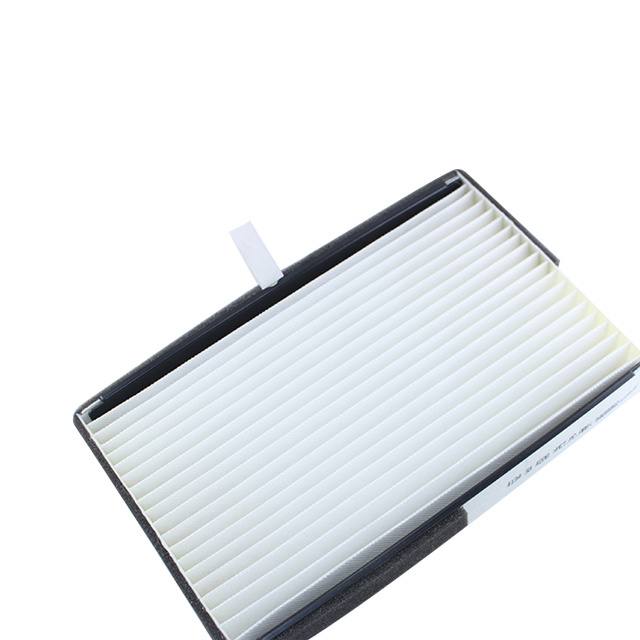
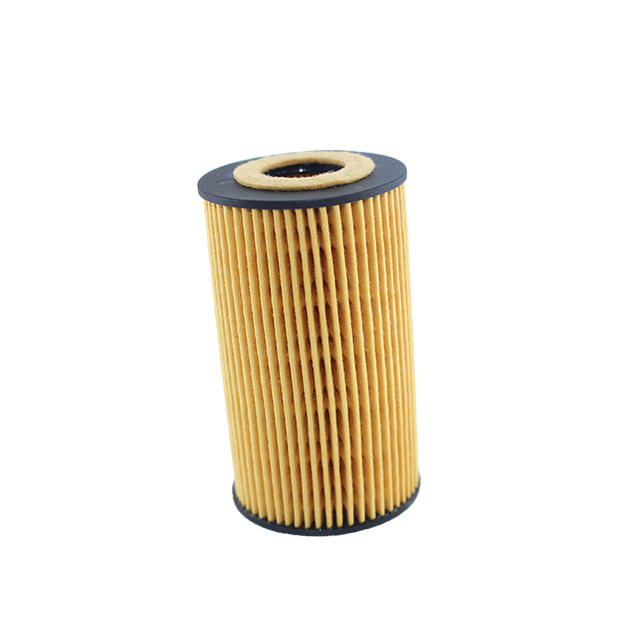
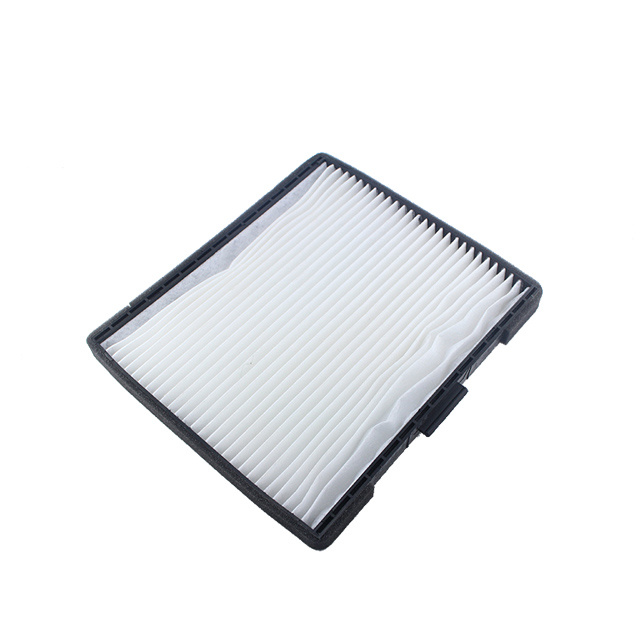
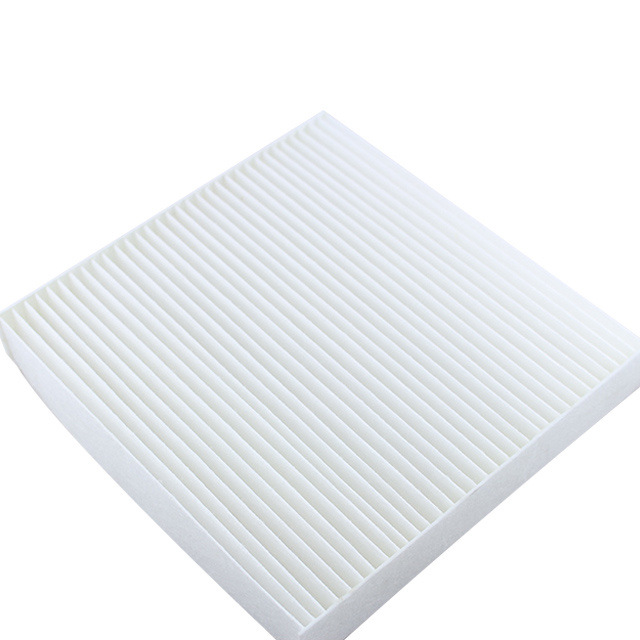
Air conditioning system filters come in various types, each designed to address specific filtration needs. The most common types include fiberglass filters, pleated filters, electrostatic filters, and HEPA filters. Fiberglass filters are the most basic and cost-effective option, suitable for capturing larger particles. Pleated filters offer better filtration efficiency and are often used in industrial settings. Electrostatic filters use static electricity to attract and capture particles, while HEPA filters provide the highest level of filtration, removing even the smallest airborne particles.
Conclusion:
In the realm of industrial equipment and components, air conditioning system filters play a vital role in maintaining optimal functionality and improving air quality. By understanding their significance and regularly maintaining these filters, companies can ensure the longevity and efficiency of their industrial equipment while providing a healthier environment for their employees. Remember to consult professionals in the field to determine the most suitable filters for specific industrial applications.
Key words:

* Please Enter Keywords
The company is mainly engaged in the manufacture and sale of auto parts and accessories in the automobile manufacturing industry, the manufacture and sale of automobile rubber products, and the import and export of auto parts.