

 Esperanto
 Shqiptare
 Euskara
 Zulu
Zulu
 Latinus
 Cymraeg
 தமிழ்
தமிழ்
 Slovak
 Slovak
 Afrikaans
Focus On Hot Spots
Contact Info
E-mail: txgs@taixifilter.com
Manager Xu: +86-15097925576
Manager Feng: +86-15803195413
Address: North side of Caiyuan Village, Gexianzhuang Town, Qinghe County, Xingtai City, Hebei Province (No. 250)
Extend the Lifespan of Your HVAC System with Quality Filters: A Comprehensive Guide
Release Time:
Sep 28,2023
Table of Contents: 1. Introduction 2. Why Quality Filters Matter 3. Different Types of HVAC Filters 4. Understanding MERV Ratings 5. Benefits of Using High-Quality Filters 6. How to Choose the Right Filter for Your HVAC System 7. Proper Installation Techniques 8. Maintenance Tips for Prolonging HVAC System Lifespan 9. Frequently Asked Questions (FAQs) 10. Conclusion 1. Introduction Your HVAC (Heat
1. Introduction
2. Why Quality Filters Matter
3. Different Types of HVAC Filters
4. Understanding MERV Ratings
5. Benefits of Using High-Quality Filters
6. How to Choose the Right Filter for Your HVAC System
7. Proper Installation Techniques
8. Maintenance Tips for Prolonging HVAC System Lifespan
9. Frequently Asked Questions (FAQs)
10. Conclusion
1. Introduction
Your HVAC (Heating, Ventilation, and Air Conditioning) system is a vital component of your home or office, providing comfort and maintaining a pleasant indoor environment. To ensure its longevity and efficiency, it is crucial to use quality filters. In this guide, we will delve into the importance of quality filters, the different types available, how to select the right one for your HVAC system, and essential maintenance techniques that will extend its lifespan.
2. Why Quality Filters Matter
Quality filters play a significant role in maintaining the health and efficiency of your HVAC system. They act as the first line of defense against airborne particles, allergens, and pollutants, preventing them from entering your system and circulating in your living or workspace. By trapping these contaminants, quality filters help improve indoor air quality, reduce allergies, and minimize the strain on your HVAC system.
3. Different Types of HVAC Filters
When it comes to HVAC filters, there is a wide range of options available. The most common types include fiberglass filters, pleated filters, electrostatic filters, and high-efficiency particulate air (HEPA) filters. Understanding the differences between these filters will help you make an informed decision based on your specific needs and budget.
3.1 Fiberglass Filters
Fiberglass filters are the most basic and least expensive option. They consist of a flat panel made of layered fiberglass fibers. While they can trap larger particles, they are not effective at capturing smaller particles and allergens.
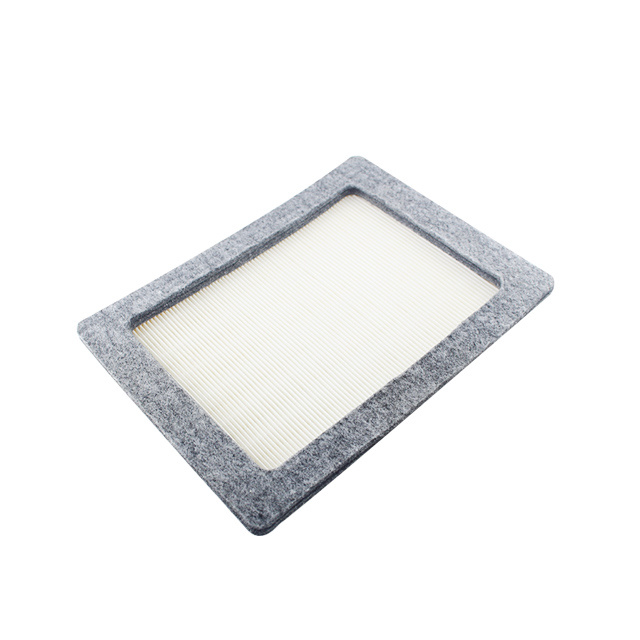
3.2 Pleated Filters
Pleated filters offer a higher level of filtration compared to fiberglass filters. They are made of folded material, increasing their surface area and capturing more particles. Pleated filters can remove a wider range of contaminants, including dust, pollen, pet dander, and mold spores.
3.3 Electrostatic Filters
Electrostatic filters are designed to attract and trap particles using an electrostatic charge. They are effective at capturing smaller particles and can be washable or disposable, depending on the model. Electrostatic filters are a popular choice for those with allergies or respiratory conditions.
3.4 High-Efficiency Particulate Air (HEPA) Filters
HEPA filters are the gold standard when it comes to air filtration. They can capture 99.97% of particles as small as 0.3 microns. HEPA filters are highly efficient at removing dust, pollen, mold spores, bacteria, and even some viruses. However, they may require modifications to your HVAC system to accommodate their high airflow resistance.
4. Understanding MERV Ratings
MERV (Minimum Efficiency Reporting Value) ratings are used to measure the effectiveness of filters in removing airborne particles. The scale ranges from 1 to 20, with a higher MERV rating indicating a more efficient filter. Consider your specific needs, budget, and the recommendation of your HVAC system manufacturer when selecting a filter with an appropriate MERV rating.
5. Benefits of Using High-Quality Filters
Investing in high-quality filters comes with several benefits for both your HVAC system and your overall well-being. These benefits include improved indoor air quality, reduced allergens and pollutants, extended lifespan of your HVAC system, enhanced energy efficiency, and potential cost savings on repairs and replacements.
6. How to Choose the Right Filter for Your HVAC System
Selecting the right filter for your HVAC system involves considering factors such as filter size, MERV rating, and the specific needs of your living or workspace. Consult the manufacturer's guidelines, seek professional advice if needed, and choose a filter that strikes a balance between effective filtration and minimal impact on system airflow.
7. Proper Installation Techniques
Proper installation is crucial to ensure the optimal performance of your HVAC system and filter. Follow the manufacturer's instructions carefully, including the correct direction of airflow and sealing any gaps to prevent air bypass. A well-installed filter will effectively capture contaminants and minimize strain on your HVAC system.
8. Maintenance Tips for Prolonging HVAC System Lifespan
Regular maintenance is key to extending the lifespan of your HVAC system. Here are some essential tips to keep your system running smoothly:
- Replace filters regularly according to the manufacturer's recommendations.
- Keep the area around your HVAC system clean and free of debris.
- Schedule professional HVAC inspections and tune-ups at least once a year.
- Clean or replace air vents and ducts as needed.
- Monitor and maintain optimal humidity levels in your home or office.
9. Frequently Asked Questions (FAQs)
FAQ 1: How often should I replace my HVAC filter?
- Answer: The frequency of filter replacement depends on various factors, such as the type of filter, indoor air quality, and usage. As a general guideline, it is recommended to replace filters every 1 to 3 months.
FAQ 2: Can I clean and reuse filters?
- Answer: Some filters, such as washable electrostatic filters, can be cleaned and reused. However, most filters are designed for one-time use and should be replaced when they become dirty or clogged.
FAQ 3: Is a higher MERV rating always better?
- Answer: While a higher MERV rating indicates better filtration, it may also restrict airflow in your HVAC system. It is important to choose a filter with an appropriate MERV rating that strikes a balance between filtration efficiency and system airflow.
FAQ 4: Can using high-quality filters reduce energy consumption?
- Answer: Yes, high-quality filters can enhance energy efficiency by maintaining clean airflow through your HVAC system. When airflow is unobstructed, your system works more efficiently, potentially reducing energy consumption and lowering utility bills.
FAQ 5: Can using quality filters prevent HVAC system breakdowns?
- Answer: Yes, quality filters can help prevent system breakdowns by reducing the strain on HVAC components. When particles and debris are effectively filtered, they are less likely to accumulate and cause mechanical issues.
10. Conclusion
By investing in high-quality filters and adhering to proper maintenance practices, you can significantly extend the lifespan of your HVAC system. Choosing the right filter, installing it correctly, and replacing it regularly will ensure optimal performance and enhance the indoor air quality of your home or office. Take the necessary steps to care for your HVAC system, and enjoy a comfortable and healthy living or workspace for years to come.
Key words:

* Please Enter Keywords
The company is mainly engaged in the manufacture and sale of auto parts and accessories in the automobile manufacturing industry, the manufacture and sale of automobile rubber products, and the import and export of auto parts.