

 Esperanto
 Shqiptare
 Euskara
 Zulu
Zulu
 Latinus
 Cymraeg
 தமிழ்
தமிழ்
 Slovak
 Slovak
 Afrikaans
Focus On Hot Spots
Contact Info
E-mail: txgs@taixifilter.com
Manager Xu: +86-15097925576
Manager Feng: +86-15803195413
Address: North side of Caiyuan Village, Gexianzhuang Town, Qinghe County, Xingtai City, Hebei Province (No. 250)
Choosing the Right Air Conditioner Filter for Your Industrial Needs
Release Time:
Sep 29,2023
**Table of Contents:** 1. Introduction 2. Understanding the Importance of Air Conditioner Filters 3. Types of Air Conditioner Filters for Industrial Needs 3.1 Fiberglass Filters 3.2 Pleated Filters 3.3 Electrostatic Filters 3.4 HEPA Filters 4. Factors to Consider when Choosing an Air Conditioner Filter 4.1 Filtration Efficiency 4.2 Airflow Resistance 4.3 Filter Lifespan 4.4
1. Introduction
2. Understanding the Importance of Air Conditioner Filters
3. Types of Air Conditioner Filters for Industrial Needs
3.1 Fiberglass Filters
3.2 Pleated Filters
3.3 Electrostatic Filters
3.4 HEPA Filters
4. Factors to Consider when Choosing an Air Conditioner Filter
4.1 Filtration Efficiency
4.2 Airflow Resistance
4.3 Filter Lifespan
4.4 Cost-effectiveness
5. Frequently Asked Questions (FAQs)
5.1 What is the recommended filter efficiency for industrial air conditioners?
5.2 How often should I replace the air conditioner filter in an industrial setting?
5.3 Can I clean and reuse air conditioner filters in industrial applications?
5.4 Are there any specific regulations or standards for industrial air conditioner filters?
5.5 Can I use residential air conditioner filters in industrial settings?
6. Conclusion
**1. Introduction**
When it comes to maintaining a clean and healthy environment in your industrial facility, choosing the right air conditioner filter is crucial. A properly selected filter not only improves the overall air quality but also enhances the efficiency and longevity of your industrial air conditioning system. In this guide, we will explore the various types of air conditioner filters available for industrial needs and provide essential tips to help you select the ideal filter for your specific requirements.
**2. Understanding the Importance of Air Conditioner Filters**
Air conditioner filters play a vital role in trapping and removing airborne particles, such as dust, pollen, and pollutants, from the air circulated by your industrial HVAC system. These filters prevent these contaminants from circulating throughout your facility, ensuring a healthier and more comfortable working environment for your employees. Additionally, a clean and efficient filter helps improve the energy efficiency of your industrial air conditioning system, reducing operational costs and environmental impact.
**3. Types of Air Conditioner Filters for Industrial Needs**
There are several types of air conditioner filters available for industrial applications. Let's explore the most common ones:
**3.1 Fiberglass Filters**
Fiberglass filters are the most basic and affordable option. They are made of layered fiberglass fibers that capture large particles effectively. However, they may not be as efficient in capturing smaller particles and have a shorter lifespan compared to other filter types.
**3.2 Pleated Filters**
Pleated filters offer a higher filtration efficiency than fiberglass filters. They are constructed with pleated synthetic materials, providing more surface area for capturing particles. Pleated filters are available in various MERV (Minimum Efficiency Reporting Value) ratings, allowing you to choose the level of filtration required for your industrial needs.
**3.3 Electrostatic Filters**
Electrostatic filters are designed to attract and trap particles using static electricity. These filters are efficient in capturing both large and small particles and are reusable, as they can be cleaned and reused multiple times. However, they tend to have higher initial costs compared to other filter types.
**3.4 HEPA Filters**
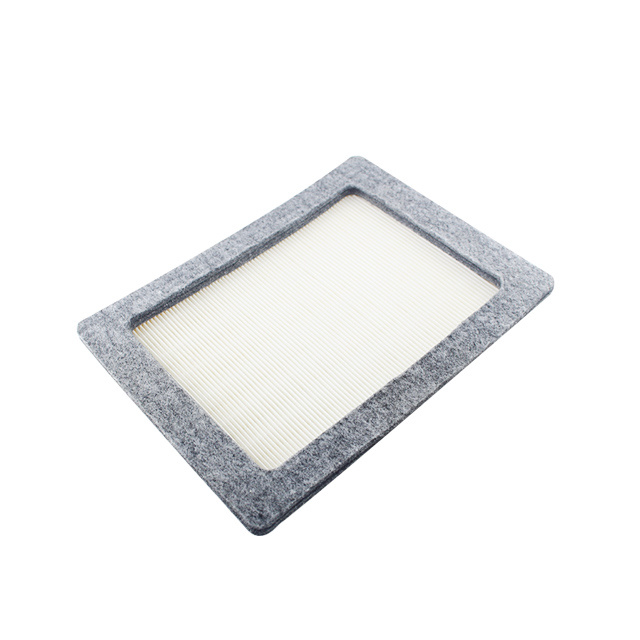
HEPA (High-Efficiency Particulate Air) filters are the most effective filters available for industrial applications. They can capture up to 99.97% of particles as small as 0.3 microns in size. HEPA filters are often used in industries that require strict air quality control, such as pharmaceutical manufacturing and cleanrooms.
**4. Factors to Consider when Choosing an Air Conditioner Filter**
When selecting an air conditioner filter for your industrial needs, consider the following factors:
**4.1 Filtration Efficiency**
The filtration efficiency of a filter determines its ability to capture particles of various sizes. Choose a filter with a MERV rating that matches your specific air quality requirements. Higher MERV ratings indicate better filtration efficiency.
**4.2 Airflow Resistance**
Airflow resistance refers to the resistance a filter creates as air passes through it. A filter with high airflow resistance can strain your HVAC system and reduce its efficiency. Consider the airflow requirements of your industrial facility and choose a filter that offers a balance between filtration efficiency and airflow resistance.
**4.3 Filter Lifespan**
The lifespan of a filter determines how often it needs replacement. Consider the maintenance requirements and replacement intervals of different filter types to ensure optimal performance and cost-effectiveness.
**4.4 Cost-effectiveness**
Evaluate the upfront and long-term costs of different filter options. While some filters may have lower initial costs, they may require more frequent replacements, resulting in higher long-term expenses. Find a filter that offers a good balance between cost and performance.
**5. Frequently Asked Questions (FAQs)**
**5.1 What is the recommended filter efficiency for industrial air conditioners?**
The recommended filter efficiency for industrial air conditioners depends on the specific needs of your facility. Generally, a filter with a MERV rating of 8 to 12 is suitable for most industrial applications. However, industries with specialized air quality requirements may require higher MERV-rated filters.
**5.2 How often should I replace the air conditioner filter in an industrial setting?**
The frequency of filter replacement depends on factors like air quality, system usage, and the filter type. As a general guideline, it is recommended to replace filters every 3 to 6 months in industrial settings. However, regular inspections and monitoring can help determine the exact replacement schedule.
**5.3 Can I clean and reuse air conditioner filters in industrial applications?**
Some filters, such as electrostatic filters, can be cleaned and reused multiple times. However, not all filters are designed for reuse. Follow the manufacturer's instructions and guidelines to determine if a particular filter can be cleaned and reused in your industrial application.
**5.4 Are there any specific regulations or standards for industrial air conditioner filters?**
Depending on your industry and the nature of your facility, there may be specific regulations or standards governing the filtration requirements. It is advisable to consult industry guidelines and regulations to ensure compliance with the necessary standards.
**5.5 Can I use residential air conditioner filters in industrial settings?**
Residential air conditioner filters are not designed to handle the air quality demands of industrial settings. Industrial environments typically have higher levels of pollutants and require filters with higher filtration efficiencies. It is recommended to use filters specifically designed for industrial applications.
**6. Conclusion**
Choosing the right air conditioner filter for your industrial needs is essential for maintaining a clean and healthy working environment. Consider factors such as filtration efficiency, airflow resistance, filter lifespan, and cost-effectiveness when making your decision. By selecting the appropriate filter and adhering to regular maintenance and replacement schedules, you can optimize the performance and longevity of your industrial air conditioning system. Remember to consult industry regulations and guidelines to ensure compliance with air quality standards in your specific industrial sector.
Key words:

* Please Enter Keywords
The company is mainly engaged in the manufacture and sale of auto parts and accessories in the automobile manufacturing industry, the manufacture and sale of automobile rubber products, and the import and export of auto parts.