

 Esperanto
 Shqiptare
 Euskara
 Zulu
Zulu
 Latinus
 Cymraeg
 தமிழ்
தமிழ்
 Slovak
 Slovak
 Afrikaans
Focus On Hot Spots
Contact Info
E-mail: txgs@taixifilter.com
Manager Xu: +86-15097925576
Manager Feng: +86-15803195413
Address: North side of Caiyuan Village, Gexianzhuang Town, Qinghe County, Xingtai City, Hebei Province (No. 250)
Understanding Different Types of AC System Filters and Their Applications: A Comprehensive Guide for Optimal Air Quality and Efficiency
Release Time:
Oct 01,2023
Table of Contents: 1. Introduction: The Crucial Role of AC System Filters in Air Quality 2. Understanding the Importance of Clean Air 3. Types of AC System Filters 3.1 Fiberglass Filters: A Basic Option for Dust and Debris Removal 3.2 Pleated Filters: Enhanced Filtration for Allergens and Pollutants 3.3 Electrostatic Filters: Efficient Removal of Dust and Odors 3.4 HEPA Filters: High-P
1.
Introduction: The Crucial Role of AC System Filters in Air Quality
2.
Understanding the Importance of Clean Air
3.
Types of AC System Filters
3.1
Fiberglass Filters: A Basic Option for Dust and Debris Removal
3.2
Pleated Filters: Enhanced Filtration for Allergens and Pollutants
3.3
Electrostatic Filters: Efficient Removal of Dust and Odors
3.4
HEPA Filters: High-Performance Filtration for Superior Air Quality
3.5
Activated Carbon Filters: Eliminating Odors and Harmful Gases
4.
Key Factors to Consider When Choosing an AC System Filter
4.1
Airflow and Filtration Efficiency
4.2
Filter Lifespan and Maintenance
4.3
Specific Air Quality Concerns
4.4
Budget and Cost Considerations
5.
Common Applications of AC System Filters
5.1
Residential HVAC Systems
5.2
Commercial Buildings and Offices
5.3
Healthcare Facilities and Cleanrooms
5.4
Industrial Settings and Manufacturing Plants
6.
Frequently Asked Questions (FAQs)
6.1
What is the purpose of an AC system filter?
6.2
How often should I change my AC system filter?
6.3
Can I use different types of filters in my AC system?
6.4
Are expensive filters always better?
6.5
Can AC system filters help with allergies and asthma?
7.
Conclusion: Achieving Optimal Air Quality with the Right AC System Filter
Introduction: The Crucial Role of AC System Filters in Air Quality
When it comes to air conditioning systems, many people overlook the importance of AC system filters. However, these filters play a critical role in maintaining optimal air quality and ensuring the efficient operation of your AC system. In this comprehensive guide, we will explore the different types of AC system filters available, their applications, and provide valuable insights to help you choose the right filter for your needs.
Understanding the Importance of Clean Air
Clean air is essential for our health and well-being. AC system filters help to remove dust, allergens, pollutants, and other harmful particles from the air we breathe. By investing in high-quality filters and regularly maintaining them, you can significantly improve indoor air quality, reduce respiratory issues, and enhance overall comfort.
Types of AC System Filters
AC system filters come in various types, each designed for specific filtration needs. Here are the most common types:
1. Fiberglass Filters: A Basic Option for Dust and Debris Removal
Fiberglass filters are the most basic and affordable option available. They effectively capture larger dust particles and debris, preventing them from entering the AC system. However, they offer limited filtration for smaller particles and allergens.
2. Pleated Filters: Enhanced Filtration for Allergens and Pollutants
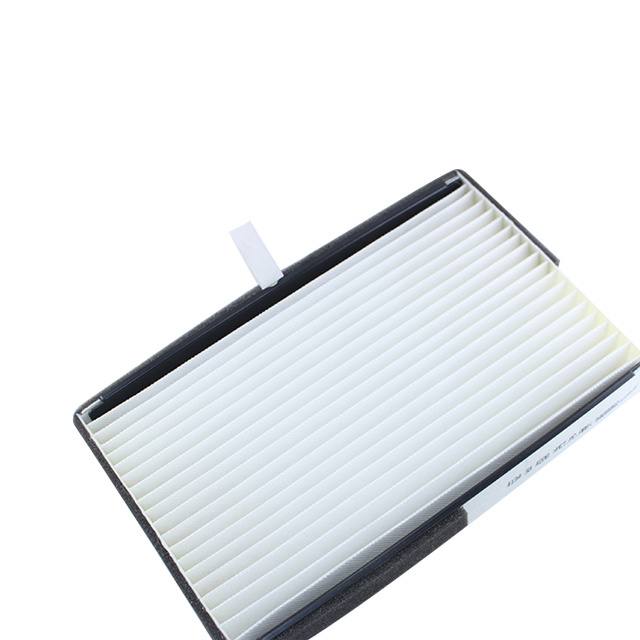
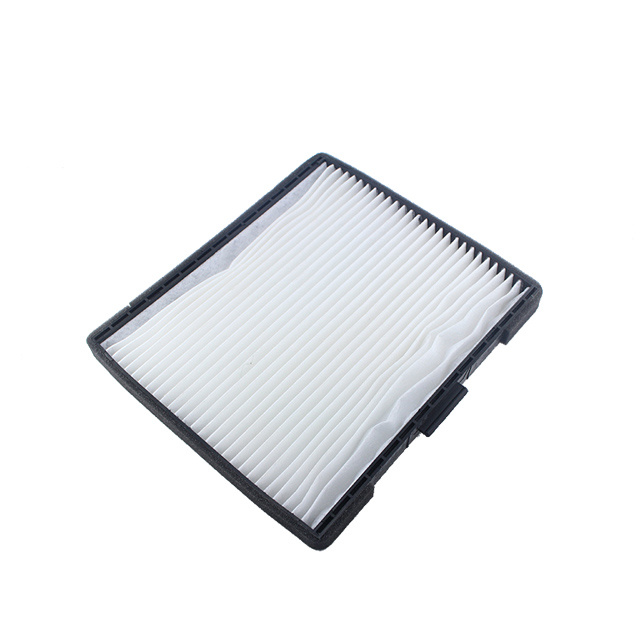
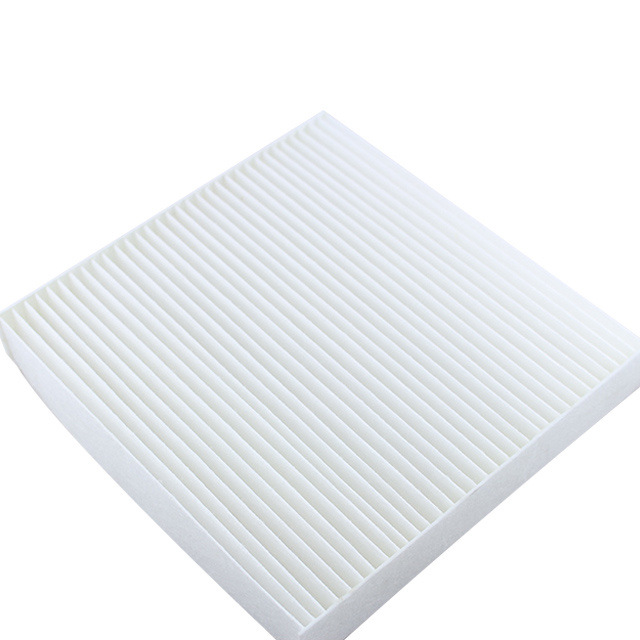
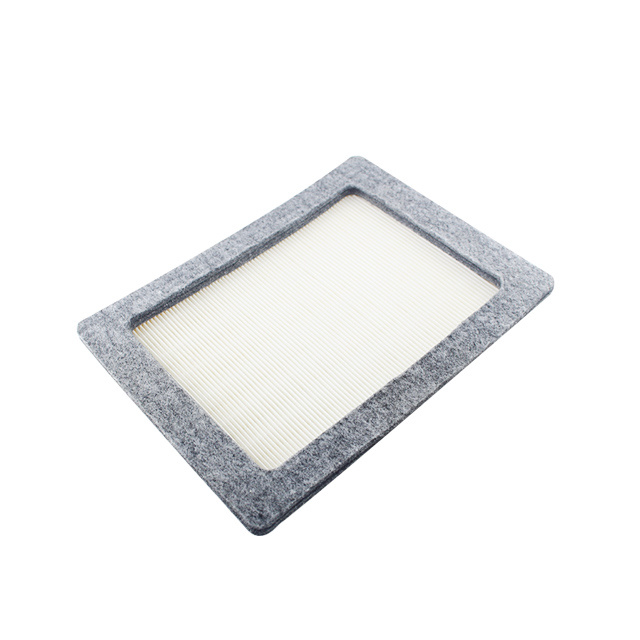
Pleated filters feature a folded design that increases their surface area, allowing for better filtration efficiency. These filters are capable of capturing smaller particles, such as pollen, pet dander, and mold spores, making them an excellent choice for individuals with allergies or respiratory concerns.
3. Electrostatic Filters: Efficient Removal of Dust and Odors
Electrostatic filters utilize static electricity to attract and capture airborne particles. They are highly efficient in removing dust, pet dander, and odors from the air. However, they may require regular cleaning to maintain their effectiveness.
4. HEPA Filters: High-Performance Filtration for Superior Air Quality
HEPA (High-Efficiency Particulate Air) filters are renowned for their exceptional filtration capabilities. These filters can capture up to 99.97% of particles as small as 0.3 microns, including pollen, bacteria, and viruses. HEPA filters are often recommended for individuals with severe allergies, respiratory conditions, or those seeking the highest level of air quality.
5. Activated Carbon Filters: Eliminating Odors and Harmful Gases
Activated carbon filters are specifically designed to remove odors, volatile organic compounds (VOCs), and harmful gases from the air. They contain a layer of activated carbon that adsorbs and neutralizes these unwanted substances, resulting in fresher and cleaner indoor air.
Key Factors to Consider When Choosing an AC System Filter
When selecting an AC system filter, several factors should be taken into account:
1. Airflow and Filtration Efficiency
Consider the airflow requirements of your AC system and choose a filter with a suitable MERV (Minimum Efficiency Reporting Value) rating. Higher MERV ratings indicate better filtration efficiency, but they may also restrict airflow if not compatible with your system.
2. Filter Lifespan and Maintenance
Evaluate the expected lifespan of the filter and its maintenance requirements. Some filters may need to be replaced more frequently, while others can be cleaned and reused. Choose a filter that aligns with your maintenance preferences and schedule.
3. Specific Air Quality Concerns
Identify any specific air quality concerns you may have, such as allergies, asthma, or chemical sensitivities. Filters like HEPA or activated carbon filters are better suited for addressing these concerns.
4. Budget and Cost Considerations
Filters come at various price points, so consider your budget and the long-term costs of filter replacements. Remember, investing in higher-quality filters can lead to improved air quality and potentially lower maintenance costs in the long run.
Common Applications of AC System Filters
AC system filters have a wide range of applications in various settings. Let's explore some common scenarios where filters play a crucial role:
1. Residential HVAC Systems
In residential settings, AC system filters ensure clean and healthy air for occupants, reducing the risk of allergies, respiratory issues, and indoor air pollution. They also help maintain the efficiency of the HVAC system, prolonging its lifespan.
2. Commercial Buildings and Offices
Commercial buildings and offices often have higher occupancy levels and increased potential for indoor air pollutants. Filters play a vital role in maintaining a healthy and productive work environment for employees and visitors.
3. Healthcare Facilities and Cleanrooms
Healthcare facilities and cleanrooms require extremely high air quality standards to prevent the spread of contaminants and ensure patient safety. HEPA filters and specialized filtration systems are commonly used in these settings.
4. Industrial Settings and Manufacturing Plants
Industrial settings and manufacturing plants often generate airborne particles and pollutants that can affect both worker health and product quality. Proper filtration systems, including advanced filters and air purification technologies, are essential in these environments.
Frequently Asked Questions (FAQs)
1. What is the purpose of an AC system filter?
AC system filters are designed to remove airborne particles, dust, allergens, and pollutants from the air, ensuring clean and healthy indoor environments and protecting the HVAC system from damage.
2. How often should I change my AC system filter?
The frequency of filter changes depends on several factors, such as filter type, usage, and air quality. As a general guideline, it is recommended to replace disposable filters every 1-3 months and clean reusable filters regularly.
3. Can I use different types of filters in my AC system?
It is essential to consult the manufacturer's guidelines or an HVAC professional when considering using different filter types. Incompatible filters may restrict airflow or compromise the efficiency of the AC system.
4. Are expensive filters always better?
Expensive filters are not always better. The right filter choice depends on your specific needs, air quality concerns, and system requirements. Consider factors such as filtration efficiency, lifespan, and maintenance requirements when making a decision.
5. Can AC system filters help with allergies and asthma?
AC system filters, especially those with higher MERV ratings like HEPA filters, can help reduce allergens and improve indoor air quality. They can provide relief for individuals with allergies or asthma by capturing airborne particles that trigger symptoms.
Conclusion: Achieving Optimal Air Quality with the Right AC System Filter
Choosing the right AC system filter is crucial for maintaining clean and healthy indoor air quality. By understanding the different types of filters available, their applications, and key factors to consider, you can make an informed decision that aligns with your specific needs. Remember to regularly maintain and replace filters as recommended to ensure optimal air quality and the efficient operation of your AC system. Invest in your health and comfort by prioritizing the right AC system filter for your space.
Key words:

* Please Enter Keywords
The company is mainly engaged in the manufacture and sale of auto parts and accessories in the automobile manufacturing industry, the manufacture and sale of automobile rubber products, and the import and export of auto parts.