

 Esperanto
 Shqiptare
 Euskara
 Zulu
Zulu
 Latinus
 Cymraeg
 தமிழ்
தமிழ்
 Slovak
 Slovak
 Afrikaans
Focus On Hot Spots

Contact Info
E-mail: txgs@taixifilter.com
Manager Xu: +86-15097925576
Manager Feng: +86-15803195413
Address: North side of Caiyuan Village, Gexianzhuang Town, Qinghe County, Xingtai City, Hebei Province (No. 250)
How to Choose the Right Car Oil Filter for Your Industrial Equipment
Release Time:
Oct 07,2023
## Table of Contents 1. Introduction 2. Importance of Choosing the Right Car Oil Filter 3. Factors to Consider When Selecting a Car Oil Filter - Filtering Efficiency - Compatibility - Size and Design - Quality and Durability 4. Different Types of Car Oil Filters - Mechanical Filters - Magnetic Filters - Centrifugal Filters - Synthetic Filters 5. Step-by-step Guide to Choosi
1. Introduction
2. Importance of Choosing the Right Car Oil Filter
3. Factors to Consider When Selecting a Car Oil Filter
- Filtering Efficiency
- Compatibility
- Size and Design
- Quality and Durability
4. Different Types of Car Oil Filters
- Mechanical Filters
- Magnetic Filters
- Centrifugal Filters
- Synthetic Filters
5. Step-by-step Guide to Choosing the Right Car Oil Filter
- Identify Your Equipment's Requirements
- Research and Compare Brands
- Consider OEM Filters
- Consult with Experts
6. Frequently Asked Questions (FAQs)
1. Why is it important to choose the right car oil filter?
2. How often should I change my car oil filter?
3. Can I use any car oil filter for my industrial equipment?
4. Is it necessary to choose an OEM car oil filter?
5. How can I determine the right size of the oil filter for my equipment?
7. Conclusion
## Introduction
When it comes to maintaining your industrial equipment, choosing the right car oil filter is crucial. A car oil filter plays a vital role in safeguarding your machinery by removing contaminants and impurities from the oil, preventing potential damage and ensuring optimal performance. In this article, we will guide you through the process of selecting the perfect car oil filter for your industrial equipment, providing you with the knowledge and understanding to make an informed decision.
## Importance of Choosing the Right Car Oil Filter
Selecting the right car oil filter is of utmost importance for the proper functioning and longevity of your industrial equipment. Here are a few reasons why choosing the right oil filter matters:
1. Enhanced Filtering Efficiency: A high-quality oil filter efficiently removes contaminants, such as dirt, debris, and metal particles, from the oil. This helps maintain the overall cleanliness and purity of the oil, preventing potential damage to your equipment's components.
2. Improved Performance: Clean oil ensures smooth operation and improved performance of your industrial machinery. By selecting a suitable car oil filter, you can ensure that the oil circulating through your equipment is free from harmful contaminants, leading to enhanced efficiency and reduced wear and tear.
3. Extended Equipment Lifespan: The right oil filter protects your machinery from abrasive particles that can cause significant damage over time. By preventing contaminants from circulating within the equipment, you can increase its lifespan and avoid costly repairs or replacements.
4. Cost Savings: Regularly replacing your car oil filter helps maintain optimal oil cleanliness, preventing excessive wear on parts and reducing the risk of equipment breakdowns. This, in turn, can lead to substantial cost savings by minimizing downtime and avoiding expensive repairs.
## Factors to Consider When Selecting a Car Oil Filter
Choosing the appropriate car oil filter involves considering several factors to ensure compatibility, efficiency, and durability. Here are the key factors to keep in mind:
### Filtering Efficiency
The filtering efficiency of an oil filter determines its ability to remove contaminants from the oil. Look for filters with high-efficiency ratings, typically indicated by a micron rating. A lower micron rating signifies finer filtration, providing superior protection for your equipment.
### Compatibility
Ensure that the car oil filter you choose is compatible with your industrial equipment. Consider factors such as thread size, gasket diameter, and overall dimensions to ensure a proper fit. Refer to your machinery's manual or consult with experts for specific compatibility information.
### Size and Design
Select a car oil filter that matches the size and design requirements of your equipment. Consider factors such as filter capacity, space availability, and installation ease. Choosing the right size and design ensures that the filter operates optimally and fits seamlessly within your machinery's system.
### Quality and Durability
Invest in a high-quality car oil filter that is durable and reliable. Look for filters made from quality materials that can withstand the demands of your industrial environment. A well-built filter will provide long-lasting performance and effective contaminant removal.
## Different Types of Car Oil Filters
Car oil filters come in various types, each with its own advantages and suitable applications. Understanding the different types can help you make an informed decision. Here are some common types of car oil filters:
### Mechanical Filters
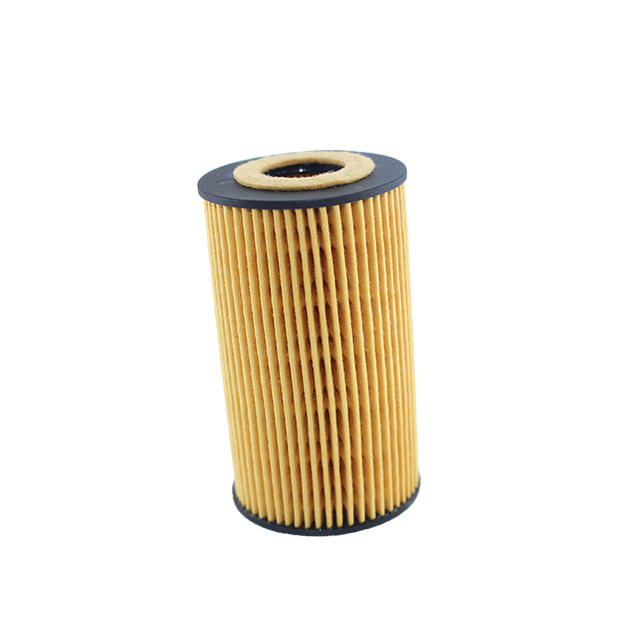
Mechanical filters rely on a paper or synthetic element to trap contaminants. They are cost-effective and widely used in many industrial applications. However, their filtration efficiency may vary, and they require regular maintenance and replacement.
### Magnetic Filters
Magnetic filters use magnets to attract and retain metallic particles present in the oil. They are effective at capturing ferrous contaminants but are limited in removing non-magnetic impurities. Magnetic filters are commonly used in industries where metal wear is a significant concern.
### Centrifugal Filters
Centrifugal filters separate contaminants from the oil by using centrifugal force. They are highly efficient in removing both solid and liquid impurities. These filters are suitable for applications that require heavy-duty contaminant removal.
### Synthetic Filters
Synthetic filters utilize advanced synthetic materials to provide superior filtration efficiency. They offer excellent contaminant removal capabilities, high flow rates, and extended filter life. Synthetic filters are ideal for demanding industrial environments that require optimal oil cleanliness.
## Step-by-step Guide to Choosing the Right Car Oil Filter
Selecting the right car oil filter can be simplified by following these steps:
### 1. Identify Your Equipment's Requirements
Consult your machinery's manual or contact the manufacturer to determine the specific oil filter requirements for your equipment. Note down important details such as thread size, gasket diameter, and any other specifications that need to be considered.
### 2. Research and Compare Brands
Research various reputable brands that offer car oil filters suitable for industrial equipment. Compare their product specifications, filtering efficiency ratings, and customer reviews. Look for brands known for producing high-quality filters that meet industry standards.
### 3. Consider OEM Filters
Original Equipment Manufacturer (OEM) filters are specifically designed for your equipment by the manufacturer. They are guaranteed to meet the required specifications and offer optimal performance. Consider using OEM filters when available or recommended by the manufacturer.
### 4. Consult with Experts
If you are unsure about the right car oil filter for your industrial equipment, seek advice from industry experts, such as mechanics or equipment specialists. They can provide valuable insights and recommend suitable filters based on your specific needs.
## Frequently Asked Questions (FAQs)
1.
Why is it important to choose the right car oil filter?
Choosing the right car oil filter ensures the removal of contaminants, improves performance, extends equipment lifespan, and leads to cost savings by preventing damage and breakdowns.
2.
How often should I change my car oil filter?
It is generally recommended to change your car oil filter with every oil change or as recommended by the manufacturer. Regularly replacing the filter helps maintain oil cleanliness and optimal performance.
3.
Can I use any car oil filter for my industrial equipment?
It is essential to choose a car oil filter that is compatible with your industrial equipment. Consider factors such as thread size, gasket diameter, and overall dimensions to ensure a proper fit and optimal performance.
4.
Is it necessary to choose an OEM car oil filter?
While not always necessary, OEM car oil filters are specifically designed for your equipment and offer guaranteed compatibility and performance. Consider using OEM filters when available or recommended by the manufacturer.
5.
How can I determine the right size of the oil filter for my equipment?
Consult your machinery's manual or contact the manufacturer to determine the specific oil filter requirements, including thread size, gasket diameter, and overall dimensions. These specifications will help you select the right size.
## Conclusion
Choosing the right car oil filter is crucial for maintaining the performance and longevity of your industrial equipment. By considering factors such as filtering efficiency, compatibility, size, and quality, you can make an informed decision. Remember to consult your machinery's manual, research reputable brands, and seek expert advice when needed. By selecting the perfect car oil filter, you can ensure optimal protection, enhanced performance, and cost savings for your industrial equipment.
Key words:

* Please Enter Keywords
The company is mainly engaged in the manufacture and sale of auto parts and accessories in the automobile manufacturing industry, the manufacture and sale of automobile rubber products, and the import and export of auto parts.