

 Esperanto
 Shqiptare
 Euskara
 Zulu
Zulu
 Latinus
 Cymraeg
 தமிழ்
தமிழ்
 Slovak
 Slovak
 Afrikaans
Focus On Hot Spots

Contact Info
E-mail: txgs@taixifilter.com
Manager Xu: +86-15097925576
Manager Feng: +86-15803195413
Address: North side of Caiyuan Village, Gexianzhuang Town, Qinghe County, Xingtai City, Hebei Province (No. 250)
The Importance of Regularly Changing Your Car Oil Filter: Why It is Crucial for Vehicle Maintenance
Release Time:
Oct 07,2023
Table of Contents: 1. Introduction: The Role of the Car Oil Filter 2. Why Regular Oil Filter Changes are Crucial 3. Benefits of Regularly Changing Your Car Oil Filter 4. How Often Should You Change Your Car Oil Filter? 5. Signs Your Car Oil Filter Needs Changing 6. The Consequences of Neglecting Oil Filter Maintenance 7. How to Change Your Car Oil Filter: Step-by-Step Guide 8. Frequently Asked Que
1. Introduction: The Role of the Car Oil Filter
2. Why Regular Oil Filter Changes are Crucial
3. Benefits of Regularly Changing Your Car Oil Filter
4. How Often Should You Change Your Car Oil Filter?
5. Signs Your Car Oil Filter Needs Changing
6. The Consequences of Neglecting Oil Filter Maintenance
7. How to Change Your Car Oil Filter: Step-by-Step Guide
8. Frequently Asked Questions (FAQs)
8.1. What is the purpose of a car oil filter?
8.2. How often should I change my car oil filter?
8.3. Can I change my car oil filter myself?
8.4. What happens if I don't change my car oil filter?
8.5. Are there different types of car oil filters?
9. Conclusion
1. Introduction: The Role of the Car Oil Filter
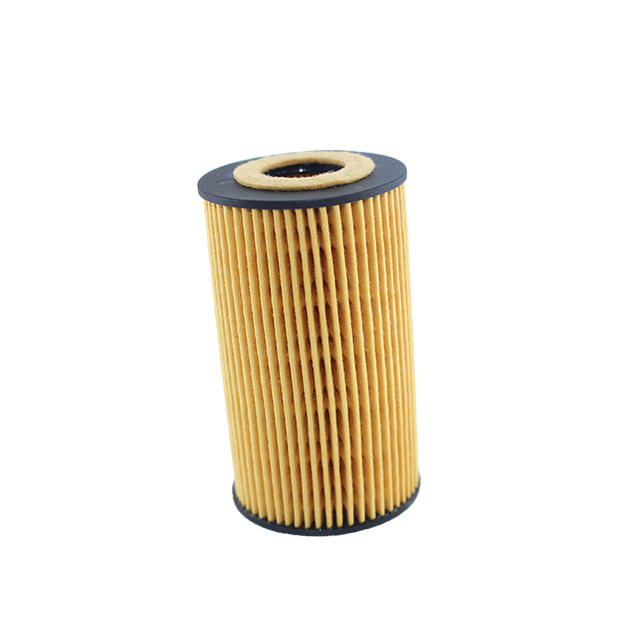
Your car's oil filter plays a crucial role in protecting your engine from harmful contaminants and debris. As the engine operates, it generates tiny particles that can damage its delicate components if not filtered out. The oil filter prevents these contaminants from circulating with the oil, ensuring a clean and smooth operation.
2. Why Regular Oil Filter Changes are Crucial
Regularly changing your car oil filter is vital to ensure the longevity and optimal performance of your vehicle. Over time, the filter becomes clogged with debris, reducing its effectiveness in trapping contaminants. If left unchanged, the filter can become saturated and bypass harmful particles, leading to potential engine damage.
3. Benefits of Regularly Changing Your Car Oil Filter
By adhering to a regular oil filter change schedule, you unlock several benefits for your vehicle. These include improved engine performance, enhanced fuel efficiency, and reduced engine wear. Additionally, a clean oil filter promotes smoother engine operation and protects crucial engine components from premature wear and tear.
4. How Often Should You Change Your Car Oil Filter?
The frequency of oil filter changes depends on various factors, such as the type of filter, driving conditions, and the vehicle manufacturer's recommendations. In general, it is advisable to change your car oil filter every 3,000 to 5,000 miles or every three to six months. However, it's always best to consult your vehicle's owner's manual for specific guidelines tailored to your make and model.
5. Signs Your Car Oil Filter Needs Changing
Several signs indicate that your car oil filter needs changing. These include reduced fuel efficiency, engine misfires, sluggish acceleration, and the presence of dark and dirty engine oil. If you notice any of these symptoms, it is crucial to promptly replace your oil filter to prevent further damage.
6. The Consequences of Neglecting Oil Filter Maintenance
Neglecting regular oil filter changes can have severe consequences for your vehicle. Over time, a clogged and dirty filter can lead to restricted oil flow, resulting in increased engine friction and heat. This can cause engine overheating, reduced performance, and potentially catastrophic engine failure, requiring costly repairs.
7. How to Change Your Car Oil Filter: Step-by-Step Guide
Changing your car oil filter is a relatively simple process that can be done at home with the right tools and knowledge. Here's a step-by-step guide:
- Step 1: Gather the necessary tools and materials
- Step 2: Locate the oil filter
- Step 3: Prepare the area and drain the oil
- Step 4: Remove the old oil filter
- Step 5: Install the new oil filter
- Step 6: Reinstall the drain plug and refill with fresh oil
- Step 7: Dispose of the old oil filter and oil properly
8. Frequently Asked Questions (FAQs)
8.1. What is the purpose of a car oil filter?
The car oil filter's primary purpose is to remove contaminants and debris from the engine oil, ensuring clean lubrication and preventing damage to engine components.
8.2. How often should I change my car oil filter?
It is recommended to change your car oil filter every 3,000 to 5,000 miles or every three to six months, depending on driving conditions and the vehicle manufacturer's guidelines.
8.3. Can I change my car oil filter myself?
Yes, changing your car oil filter can be done at home with the right tools and knowledge. However, if you are unsure or uncomfortable with the process, it is best to consult a professional mechanic.
8.4. What happens if I don't change my car oil filter?
Failure to change your car oil filter can result in reduced engine performance, decreased fuel efficiency, and potential engine damage due to contaminated oil circulating through the engine.
8.5. Are there different types of car oil filters?
Yes, there are various types of car oil filters available, including standard filters, high-performance filters, and synthetic filters. Each type has its own benefits and suitability for specific driving conditions.
9. Conclusion
Regularly changing your car oil filter is a vital maintenance task that should not be overlooked. By implementing a consistent oil filter change schedule, you safeguard your engine's health, improve performance, and extend your vehicle's lifespan. Don't underestimate the importance of this simple yet essential maintenance step in preserving your car's optimal functionality and avoiding costly repairs in the long run.
Key words:

* Please Enter Keywords
The company is mainly engaged in the manufacture and sale of auto parts and accessories in the automobile manufacturing industry, the manufacture and sale of automobile rubber products, and the import and export of auto parts.