

 Esperanto
 Shqiptare
 Euskara
 Zulu
Zulu
 Latinus
 Cymraeg
 தமிழ்
தமிழ்
 Slovak
 Slovak
 Afrikaans
Focus On Hot Spots

Contact Info
E-mail: txgs@taixifilter.com
Manager Xu: +86-15097925576
Manager Feng: +86-15803195413
Address: North side of Caiyuan Village, Gexianzhuang Town, Qinghe County, Xingtai City, Hebei Province (No. 250)
Everything You Need to Know About Oil Filters in Cars
Release Time:
Oct 08,2023
Introduction: Oil filters are a crucial component of a car's engine system, especially when it comes to industrial equipment and components. Understanding the significance of oil filters and their role in maintaining the health of a car's engine is essential for anyone involved in the industry. In this article, we will delve into the world of oil filters in cars and explore their importance in in
Oil filters are a crucial component of a car's engine system, especially when it comes to industrial equipment and components. Understanding the significance of oil filters and their role in maintaining the health of a car's engine is essential for anyone involved in the industry. In this article, we will delve into the world of oil filters in cars and explore their importance in industrial equipment and components.
1. What is an oil filter?
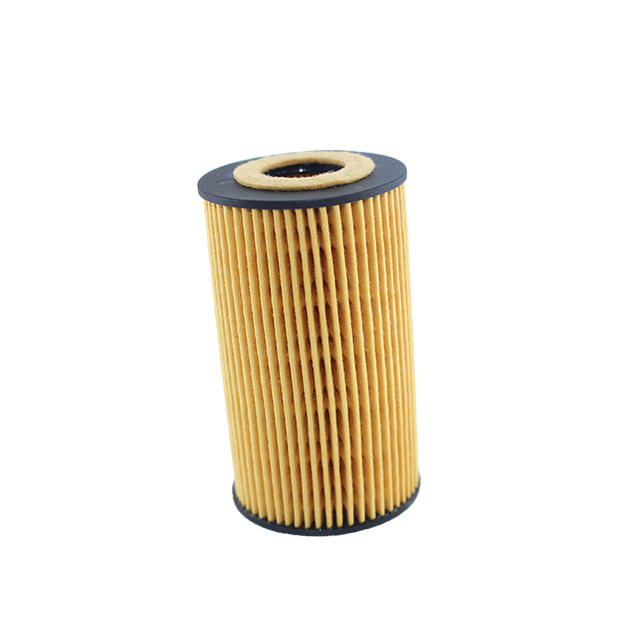
An oil filter is a device that removes contaminants, such as dirt, debris, and metal particles, from the engine oil of a car. It ensures that the oil flowing through the engine remains clean and free from any harmful substances that could potentially damage the engine components. By trapping these contaminants, the oil filter helps to extend the life of both the engine and other components in industrial equipment.
2. Why are oil filters important in cars?
Oil filters play a vital role in maintaining the overall health and efficiency of a car's engine. They help to prevent abrasive particles from circulating and causing damage to the engine's moving parts. Without an oil filter, these particles could cause excessive wear and tear, leading to reduced engine performance and potentially costly repairs.
3. How do oil filters work?
Oil filters use a combination of physical and chemical filtration methods to remove contaminants from the oil. The oil passes through a filter medium, usually made of cellulose or synthetic fibers, which traps the impurities while allowing the clean oil to continue flowing. Some advanced filters also incorporate additional features, such as bypass valves, to ensure uninterrupted oil flow even if the filter becomes clogged.
4. When should oil filters be replaced?
Regular maintenance and timely replacement of oil filters are crucial to ensure the optimal performance of a car's engine and industrial equipment. The replacement interval may vary depending on the manufacturer's recommendations and the operating conditions of the vehicle. However, a general rule of thumb is to replace the oil filter during every oil change, which typically occurs every 3,000 to 5,000 miles or as advised by the car manufacturer.
5. What are the consequences of neglecting oil filter maintenance?
Neglecting oil filter maintenance can have severe consequences for both the car's engine and industrial equipment. Without a properly functioning oil filter, contaminants can accumulate in the engine oil, causing increased friction, reduced lubrication, and potentially leading to engine overheating or failure. Additionally, dirty oil can negatively impact the performance and lifespan of other components, such as bearings and valves, in industrial equipment and components.
Conclusion:
Oil filters play a vital role in maintaining the health and longevity of a car's engine, particularly in industrial equipment and components. By understanding the importance of oil filter maintenance and replacement, individuals in the industry can ensure the efficient operation of their vehicles and equipment. Regularly servicing and replacing oil filters is a small yet essential step in preserving the integrity and performance of industrial machinery.
Key words:

* Please Enter Keywords
The company is mainly engaged in the manufacture and sale of auto parts and accessories in the automobile manufacturing industry, the manufacture and sale of automobile rubber products, and the import and export of auto parts.