

 Esperanto
 Shqiptare
 Euskara
 Zulu
Zulu
 Latinus
 Cymraeg
 தமிழ்
தமிழ்
 Slovak
 Slovak
 Afrikaans
Focus On Hot Spots

Contact Info
E-mail: txgs@taixifilter.com
Manager Xu: +86-15097925576
Manager Feng: +86-15803195413
Address: North side of Caiyuan Village, Gexianzhuang Town, Qinghe County, Xingtai City, Hebei Province (No. 250)
The Importance of Regularly Changing Your Car's Oil Filter: Protecting Your Engine for Longevity and Performance
Release Time:
Oct 09,2023
## Table of Contents 1. Introduction: Understanding the Role of an Oil Filter 2. Why Regularly Changing Your Car's Oil Filter Matters 3. Enhancing Engine Longevity and Performance 4. Improving Fuel Efficiency and Reducing Emissions 5. Promoting a Cleaner Environment 6. How Often Should You Change Your Car's Oil Filter? 7. Signs that Indicate It's Time for a Filter Replacement 8. The Step-by-Step P
1. Introduction: Understanding the Role of an Oil Filter
2. Why Regularly Changing Your Car's Oil Filter Matters
3. Enhancing Engine Longevity and Performance
4. Improving Fuel Efficiency and Reducing Emissions
5. Promoting a Cleaner Environment
6. How Often Should You Change Your Car's Oil Filter?
7. Signs that Indicate It's Time for a Filter Replacement
8. The Step-by-Step Process of Changing Your Car's Oil Filter
9. FAQs: Addressing Common Concerns
- FAQ 1: Can I change the oil filter myself?
- FAQ 2: What happens if I don't change my oil filter regularly?
- FAQ 3: How do I know if my oil filter needs to be replaced?
- FAQ 4: Is it necessary to change the oil filter every time I change the oil?
- FAQ 5: What are the consequences of using a clogged oil filter?
10. Conclusion: Protecting Your Engine, Your Wallet, and the Environment
## 1. Introduction: Understanding the Role of an Oil Filter
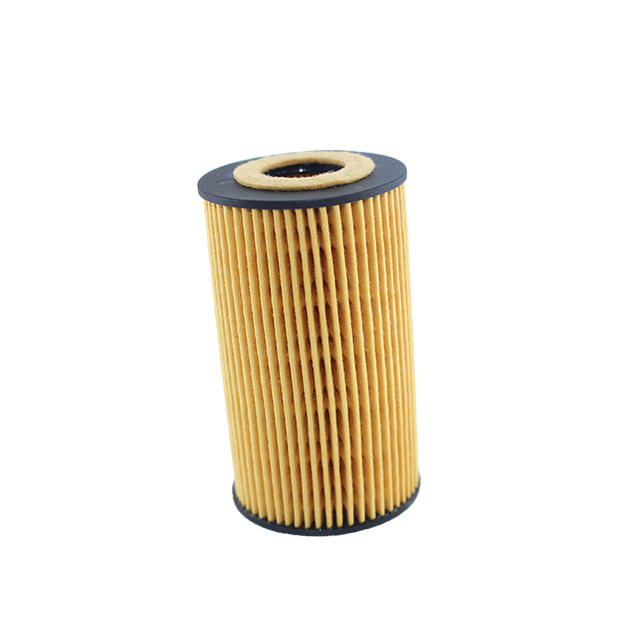
The engine is the heart of your car, and just like any vital organ, it requires proper care and maintenance to function optimally. One crucial component that contributes to the engine's health is the oil filter. The oil filter acts as a guardian, keeping the engine free from harmful contaminants that can hinder its performance and cause irreversible damage. In this article, we delve into the importance of regularly changing your car's oil filter and the numerous benefits it offers.
## 2. Why Regularly Changing Your Car's Oil Filter Matters
Regularly changing your car's oil filter is a vital maintenance task that should never be overlooked. While it may seem like a small component, the oil filter plays a significant role in prolonging the life of your engine and ensuring it operates smoothly. By trapping dirt, debris, and other impurities, the oil filter prevents them from circulating in the engine and causing abrasive wear on crucial parts.
## 3. Enhancing Engine Longevity and Performance
Changing your car's oil filter at regular intervals helps safeguard the engine's longevity and performance. Over time, the oil filter becomes saturated with contaminants, reducing its ability to effectively capture harmful particles. As a result, these impurities can find their way into the engine, leading to increased friction, excessive wear, and potential engine failure. By replacing the oil filter regularly, you ensure that your engine remains protected and can perform optimally for years to come.
## 4. Improving Fuel Efficiency and Reducing Emissions
A clean and properly functioning oil filter also contributes to improved fuel efficiency and reduced emissions. When the oil filter becomes clogged, it restricts the flow of oil to the engine, causing it to work harder and consume more fuel. Additionally, a clogged filter can lead to incomplete combustion, resulting in increased emissions. By maintaining a fresh oil filter, you optimize fuel economy and reduce your carbon footprint.
## 5. Promoting a Cleaner Environment
Regularly changing your car's oil filter not only benefits your engine and wallet but also the environment. By ensuring that the oil filter is clean and efficient, you minimize the release of harmful pollutants into the air. A well-maintained oil filter traps contaminants, preventing them from being expelled through the exhaust and polluting the environment. By taking this simple step, you play a part in promoting a cleaner and greener world.
## 6. How Often Should You Change Your Car's Oil Filter?
The frequency of oil filter changes depends on various factors such as your vehicle's make and model, driving conditions, and the type of oil filter used. As a general guideline, it is recommended to change your oil filter every 3,000 to 5,000 miles or every three to six months. However, consulting your vehicle's manual or seeking advice from a trusted mechanic can provide more specific recommendations tailored to your car's needs.
## 7. Signs that Indicate It's Time for a Filter Replacement
While following the recommended maintenance schedule is crucial, certain signs indicate that your oil filter may need immediate attention. These signs include reduced engine performance, unusual engine noises, increased oil consumption, and the presence of dark, dirty oil. If you experience any of these symptoms, it is essential to have your oil filter inspected and replaced if necessary to prevent potential damage to your engine.
## 8. The Step-by-Step Process of Changing Your Car's Oil Filter
Changing your car's oil filter can be a straightforward process when done correctly. Here is a step-by-step guide to help you navigate through the task:
1. Gather the necessary tools and materials.
2. Safely raise your vehicle and locate the oil filter.
3. Place an oil drain pan beneath the filter.
4. Loosen the filter using an appropriate tool.
5. Remove the old filter and properly dispose of it.
6. Clean the filter housing and apply a thin layer of oil to the rubber gasket of the new filter.
7. Screw the new filter into place, ensuring it is properly tightened.
8. Lower your vehicle and refill the engine with fresh oil.
9. Start the engine and check for any leaks.
10. Dispose of the used oil and filter responsibly.
## 9. FAQs: Addressing Common Concerns
### FAQ 1: Can I change the oil filter myself?
Absolutely! Changing the oil filter is a task that can be performed by many car owners. However, it is important to follow safety precautions and have a basic understanding of your vehicle's mechanics. If you are unsure or uncomfortable performing this task, it is best to seek assistance from a qualified professional.
### FAQ 2: What happens if I don't change my oil filter regularly?
Neglecting to change your oil filter regularly can have severe consequences for your engine. A clogged or dirty filter can lead to reduced engine performance, increased wear and tear, decreased fuel efficiency, and potential engine damage. Ultimately, it can result in costly repairs or even the need for a complete engine replacement.
### FAQ 3: How do I know if my oil filter needs to be replaced?
Monitoring your vehicle for signs of a failing oil filter is crucial. Reduced engine performance, unusual engine noises, increased oil consumption, and the presence of dirty oil are all indications that your oil filter may need replacement. Additionally, adhering to the recommended maintenance schedule or consulting a professional can help determine the optimal timing for a filter change.
### FAQ 4: Is it necessary to change the oil filter every time I change the oil?
Yes, it is highly recommended to change the oil filter every time you change the oil. While the oil filter may still have some life left, replacing it ensures that you start with a clean filter that can effectively protect your engine. It's a small investment that can save you from potential engine damage in the long run.
### FAQ 5: What are the consequences of using a clogged oil filter?
Using a clogged oil filter can lead to a myriad of issues. The engine may experience reduced performance, increased friction, and excessive wear. Furthermore, the restricted oil flow can result in poor lubrication, which can cause significant damage to engine components, including bearings, pistons, and valve train. Ultimately, this can lead to engine failure and costly repairs.
## 10. Conclusion: Protecting Your Engine, Your Wallet, and the Environment
Regularly changing your car's oil filter is a vital element of proper vehicle maintenance. By ensuring a clean and efficient oil filter, you protect your engine's longevity and performance, improve fuel efficiency, reduce emissions, and contribute to a cleaner environment. With the step-by-step guide provided, you can confidently perform this essential task or seek assistance from a professional. Stay proactive in maintaining your car's oil filter, and reap the benefits of a smoother, more cost-effective driving experience for years to come.
Key words:

* Please Enter Keywords
The company is mainly engaged in the manufacture and sale of auto parts and accessories in the automobile manufacturing industry, the manufacture and sale of automobile rubber products, and the import and export of auto parts.