

 Esperanto
 Shqiptare
 Euskara
 Zulu
Zulu
 Latinus
 Cymraeg
 தமிழ்
தமிழ்
 Slovak
 Slovak
 Afrikaans
Focus On Hot Spots

Contact Info
E-mail: txgs@taixifilter.com
Manager Xu: +86-15097925576
Manager Feng: +86-15803195413
Address: North side of Caiyuan Village, Gexianzhuang Town, Qinghe County, Xingtai City, Hebei Province (No. 250)
Understanding the Importance of Oil Filters in Automotive Maintenance
Release Time:
Oct 09,2023
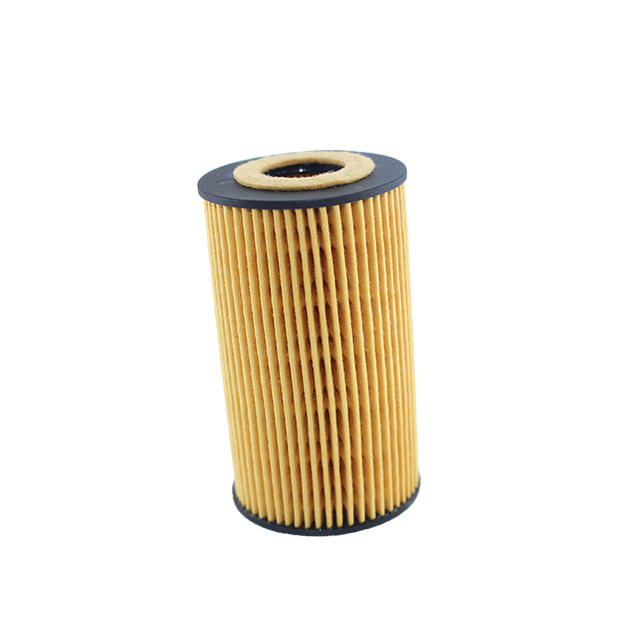
Oil filters play a vital role in maintaining the optimal performance of a car's engine. As a crucial component of the filtration system, they help remove impurities from the engine oil, ensuring its cleanliness and extending the lifespan of the engine. In the context of industrial equipment and components, particularly in the filtration devices industry, understanding the significance of oil filte
1. Filtering Contaminants:
The primary function of an oil filter is to remove contaminants, such as dirt, metal particles, and sludge, from the engine oil. Over time, these impurities accumulate and can cause significant damage to the engine, reducing its effectiveness and potentially leading to costly repairs. By capturing these contaminants, oil filters prevent them from circulating through the engine and causing potential harm.
2. Lubrication Maintenance:
Engine oil plays a crucial role in lubricating the various moving parts within an engine. However, as oil circulates through the engine, it can accumulate dirt and debris, which may hinder its lubrication properties. Oil filters help maintain the purity of the engine oil, ensuring that it can effectively lubricate the engine's components, reducing friction, and preventing premature wear and tear.
3. Enhancing Engine Performance:
Clean engine oil is essential for maintaining optimal engine performance. When the oil is contaminated, it becomes less effective in providing the necessary lubrication and cooling for the engine. As a result, the engine may experience reduced power, increased fuel consumption, and overall decreased performance. By regularly replacing the oil filter and ensuring clean oil circulates through the engine, car owners can maximize their vehicle's performance and fuel efficiency.
4. Prolonging Engine Life:
Regular maintenance, including oil and filter changes, is essential for prolonging the life of a car's engine. By utilizing an efficient oil filter, contaminants are effectively removed from the oil before it reaches the engine. This helps reduce the risk of engine damage caused by contaminated oil, promoting longevity and reliability.
5. Maintenance Schedule:
To ensure the oil filter performs its function effectively, it's crucial to adhere to the manufacturer's recommended maintenance schedule. Typically, oil filters are replaced during every oil change, which is typically recommended every three to six months or every 3,000 to 7,500 miles, depending on the car's make and model. Following the maintenance schedule ensures that the oil filter continues to provide optimal filtration and protection for the engine.
In conclusion, oil filters are essential components in maintaining the cleanliness and functionality of a car's engine. By effectively filtering contaminants, ensuring lubrication maintenance, enhancing engine performance, and prolonging engine life, oil filters play a crucial role in the overall maintenance and longevity of a vehicle. Regularly replacing the oil filter and adhering to the manufacturer's maintenance schedule are vital steps in ensuring the efficient performance of a car's engine.
Key words:

* Please Enter Keywords
The company is mainly engaged in the manufacture and sale of auto parts and accessories in the automobile manufacturing industry, the manufacture and sale of automobile rubber products, and the import and export of auto parts.