

 Esperanto
 Shqiptare
 Euskara
 Zulu
Zulu
 Latinus
 Cymraeg
 தமிழ்
தமிழ்
 Slovak
 Slovak
 Afrikaans
Focus On Hot Spots
Contact Info
E-mail: txgs@taixifilter.com
Manager Xu: +86-15097925576
Manager Feng: +86-15803195413
Address: North side of Caiyuan Village, Gexianzhuang Town, Qinghe County, Xingtai City, Hebei Province (No. 250)
How to Choose the Right Oil Filter for Your Car
Release Time:
Oct 09,2023
Table of Contents: 1. Introduction 2. Why is Choosing the Right Oil Filter Important? 3. Factors to Consider When Selecting an Oil Filter 4. Understanding Different Types of Oil Filters 4.1. Mechanical Oil Filters 4.2. Cartridge Oil Filters 4.3. Magnetic Oil Filters 4.4. Synthetic Oil Filters 5. Steps to Choose the Right Oil Filter 5.1. Check Your Vehicle's Manual 5.2. Determine
1. Introduction
2. Why is Choosing the Right Oil Filter Important?
3. Factors to Consider When Selecting an Oil Filter
4. Understanding Different Types of Oil Filters
4.1. Mechanical Oil Filters
4.2. Cartridge Oil Filters
4.3. Magnetic Oil Filters
4.4. Synthetic Oil Filters
5. Steps to Choose the Right Oil Filter
5.1. Check Your Vehicle's Manual
5.2. Determine the Correct Filter Size
5.3. Consider the Oil Filter's Micron Rating
5.4. Evaluate the Filter's Filtration Efficiency
5.5. Look for a Reliable Brand
5.6. Assess the Filter's Compatibility with Your Engine
6. Frequently Asked Questions (FAQs)
6.1. What happens if I choose the wrong oil filter for my car?
6.2. How often should I change my oil filter?
6.3. Can I reuse an oil filter?
6.4. Can I use a different brand of oil filter?
6.5. How do I dispose of an old oil filter?
7. Conclusion
1. Introduction
Choosing the right oil filter is crucial for maintaining the health and performance of your car's engine. This comprehensive guide will provide you with all the necessary information to make an informed decision.
2. Why is Choosing the Right Oil Filter Important?
The oil filter plays a critical role in removing contaminants from the engine oil, preventing them from circulating and causing damage. A high-quality oil filter ensures that only clean oil reaches the engine, reducing wear and tear, and maximizing performance.
3. Factors to Consider When Selecting an Oil Filter
To choose the right oil filter for your car, consider the following factors:
- Vehicle Compatibility: Different cars require specific oil filter sizes and types. Ensure that the filter you choose is compatible with your vehicle's make, model, and engine specifications.
- Filter Size: Oil filters come in various sizes. Refer to your vehicle's manual or consult a professional to determine the correct size for your car.
- Micron Rating: The micron rating indicates the filter's ability to capture particles of a specific size. A lower micron rating means finer filtration. Consider the specific requirements of your vehicle when selecting a filter.
- Filtration Efficiency: Look for oil filters with high filtration efficiency. This ensures that harmful contaminants, such as dirt, metal particles, and sludge, are effectively removed from the oil.
- Brand Reputation: Opt for reputable brands known for manufacturing reliable and high-quality oil filters. Research customer reviews and ratings to gauge the brand's reputation.
- Engine Compatibility: Some vehicles, especially high-performance or specialty engines, require specific oil filters designed to handle their unique requirements. Ensure the filter you choose is compatible with your engine type.
4. Understanding Different Types of Oil Filters
There are several types of oil filters available in the market. Understanding their differences will help you make an informed decision:
4.1. Mechanical Oil Filters
Mechanical oil filters use a filter element made of synthetic fibers or cellulose to trap contaminants. These filters are most commonly used in older vehicles and are cost-effective.
4.2. Cartridge Oil Filters
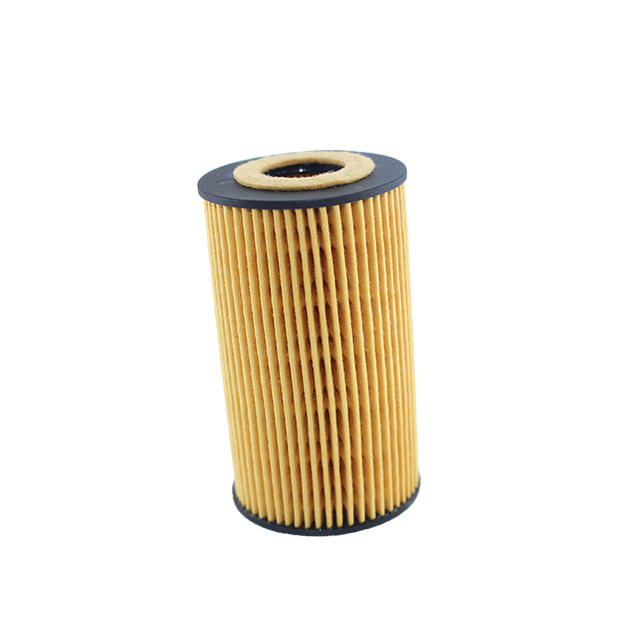
Cartridge oil filters consist of a replaceable filter element enclosed in a metal casing. These filters offer excellent filtration efficiency and are commonly used in modern vehicles.
4.3. Magnetic Oil Filters
Magnetic oil filters utilize magnets to attract and capture metallic particles present in the engine oil. These filters are highly effective in removing ferrous contaminants.
4.4. Synthetic Oil Filters
Synthetic oil filters are designed for use with synthetic engine oils. They provide superior filtration and can withstand higher temperatures and pressures.
5. Steps to Choose the Right Oil Filter
Follow these steps to ensure you choose the right oil filter for your car:
5.1. Check Your Vehicle's Manual
Consult your vehicle's manual to identify the recommended oil filter specifications. This will provide you with the necessary information regarding filter size, type, and compatibility.
5.2. Determine the Correct Filter Size
Measure the existing oil filter or refer to the manual to determine the correct size. Ensure the replacement filter matches these specifications.
5.3. Consider the Oil Filter's Micron Rating
Evaluate the micron rating of the oil filter. Consider the specific requirements of your vehicle and choose a filter that offers adequate filtration for your engine.
5.4. Evaluate the Filter's Filtration Efficiency
Research and compare different oil filter brands based on their filtration efficiency. Look for filters that provide optimal particle removal capabilities.
5.5. Look for a Reliable Brand
Choose oil filters from reputable brands known for their quality and reliability. Consider customer reviews and recommendations to make an informed decision.
5.6. Assess the Filter's Compatibility with Your Engine
Ensure that the oil filter you choose is compatible with your car's engine. If you have a specialty engine or modified vehicle, consult a professional for expert advice.
6. Frequently Asked Questions (FAQs)
6.1. What happens if I choose the wrong oil filter for my car?
Choosing the wrong oil filter can lead to inadequate filtration, reduced engine performance, and potential damage. It is essential to select the correct filter for optimal engine health.
6.2. How often should I change my oil filter?
It is generally recommended to change your oil filter every time you change your engine oil, which is typically every 3,000 to 5,000 miles or as per your vehicle's manual.
6.3. Can I reuse an oil filter?
Reusing oil filters is not recommended. Over time, filters accumulate contaminants and lose their effectiveness. It is best to replace the filter with every oil change.
6.4. Can I use a different brand of oil filter?
Using a different brand of oil filter is generally acceptable as long as it meets the required specifications and is compatible with your vehicle's engine.
6.5. How do I dispose of an old oil filter?
Properly drain the used oil from the filter, then seal it in a plastic bag to prevent leakage. Check local regulations for disposal methods. Many auto parts stores accept used oil filters for recycling.
7. Conclusion
Choosing the right oil filter for your car is essential to ensure engine longevity and performance. Consider factors like compatibility, filter size, micron rating, and filtration efficiency when making your selection. By following the steps outlined in this guide, you can confidently choose the perfect oil filter for your vehicle's needs.
Key words:

* Please Enter Keywords
The company is mainly engaged in the manufacture and sale of auto parts and accessories in the automobile manufacturing industry, the manufacture and sale of automobile rubber products, and the import and export of auto parts.