

 Esperanto
 Shqiptare
 Euskara
 Zulu
Zulu
 Latinus
 Cymraeg
 தமிழ்
தமிழ்
 Slovak
 Slovak
 Afrikaans
Focus On Hot Spots

Contact Info
E-mail: txgs@taixifilter.com
Manager Xu: +86-15097925576
Manager Feng: +86-15803195413
Address: North side of Caiyuan Village, Gexianzhuang Town, Qinghe County, Xingtai City, Hebei Province (No. 250)
Oil Filter for Cars: A Guide to Choosing the Right Filter for Your Vehicle
Release Time:
Oct 10,2023
Introduction: Oil filters are an essential component of a car's engine system, helping to remove contaminants and keep the engine running smoothly. Choosing the right oil filter for your car is crucial to ensure optimal performance and longevity. In this guide, we will explore the importance of oil filters and provide useful tips on selecting the right filter for your vehicle. 1. The Role of Oil F
Oil filters are an essential component of a car's engine system, helping to remove contaminants and keep the engine running smoothly. Choosing the right oil filter for your car is crucial to ensure optimal performance and longevity. In this guide, we will explore the importance of oil filters and provide useful tips on selecting the right filter for your vehicle.
1. The Role of Oil Filters:
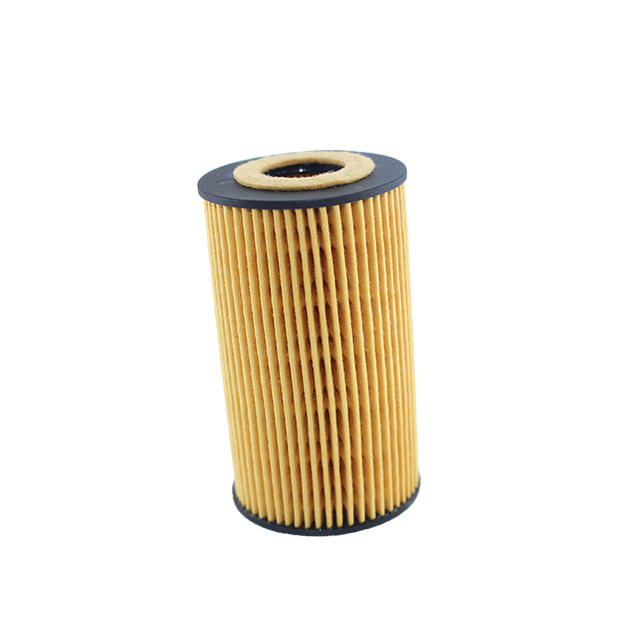
Oil filters play a vital role in the maintenance of a car's engine. They are designed to remove impurities and contaminants from the engine oil, preventing them from circulating and causing damage. By keeping the oil clean, oil filters help to enhance engine performance, reduce wear and tear, and extend the life of the engine.
2. Types of Oil Filters:
There are various types of oil filters available in the market, including mechanical filters, magnetic filters, and synthetic filters. Mechanical filters are the most common type, employing a pleated filter media to trap contaminants. Magnetic filters use magnets to attract metal particles, while synthetic filters offer higher filtration efficiency and longer service life.
3. Considerations When Choosing an Oil Filter:
When selecting an oil filter for your car, consider the following factors:
a. Compatibility: Ensure that the oil filter is compatible with your car's make, model, and engine type. Refer to the vehicle manufacturer's recommendations or consult a professional to find the right filter.
b. Filtration Efficiency: Look for oil filters with a high filtration efficiency. The filter should be able to capture and retain a significant amount of contaminants, preventing them from circulating in the engine.
c. Size and Capacity: Consider the size and capacity of the oil filter. A larger filter generally has a higher capacity to hold contaminants, resulting in longer intervals between filter changes.
d. Quality and Brand Reputation: Choose oil filters from reputable brands known for their quality and reliability. It is worth investing in a reliable filter to protect your engine effectively.
4. Regular Maintenance and Replacement:
To ensure optimal engine performance, it is essential to follow the manufacturer's recommendations for oil filter maintenance and replacement. Typically, oil filters should be replaced during each oil change or as recommended by the vehicle manufacturer. Regular maintenance will prevent clogging and ensure the filter continues to effectively remove contaminants from the oil.
Conclusion:
Choosing the right oil filter for your car is key to maintaining engine performance and prolonging the life of your vehicle. Consider the compatibility, filtration efficiency, size, and quality when selecting an oil filter. Regular maintenance and replacement of the oil filter will help ensure clean oil circulation and protect your engine from damage. Keep these factors in mind, and your car will thank you with improved performance and longevity.
Key words:

* Please Enter Keywords
The company is mainly engaged in the manufacture and sale of auto parts and accessories in the automobile manufacturing industry, the manufacture and sale of automobile rubber products, and the import and export of auto parts.