

 Esperanto
 Shqiptare
 Euskara
 Zulu
Zulu
 Latinus
 Cymraeg
 தமிழ்
தமிழ்
 Slovak
 Slovak
 Afrikaans
Focus On Hot Spots
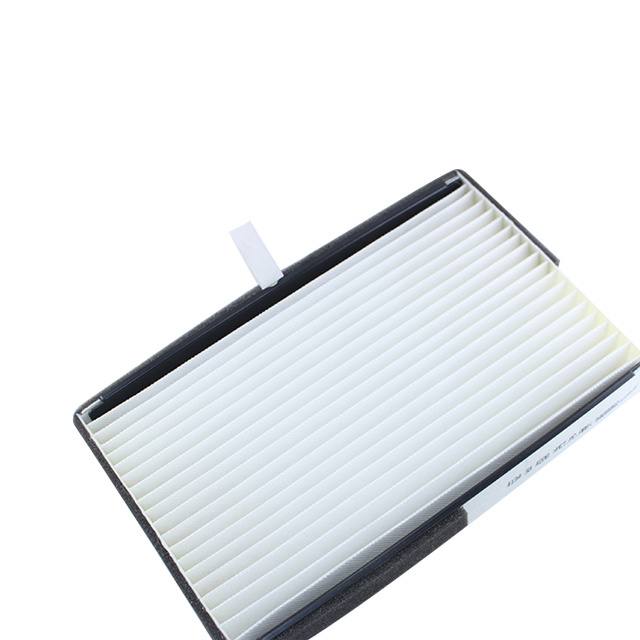
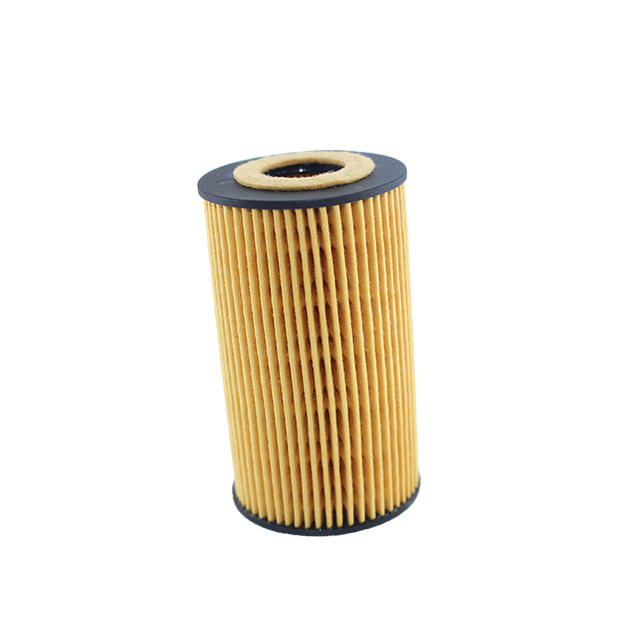
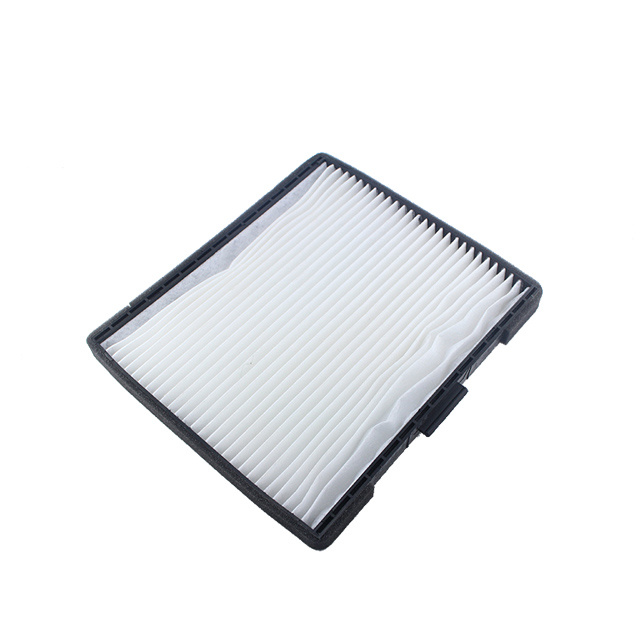
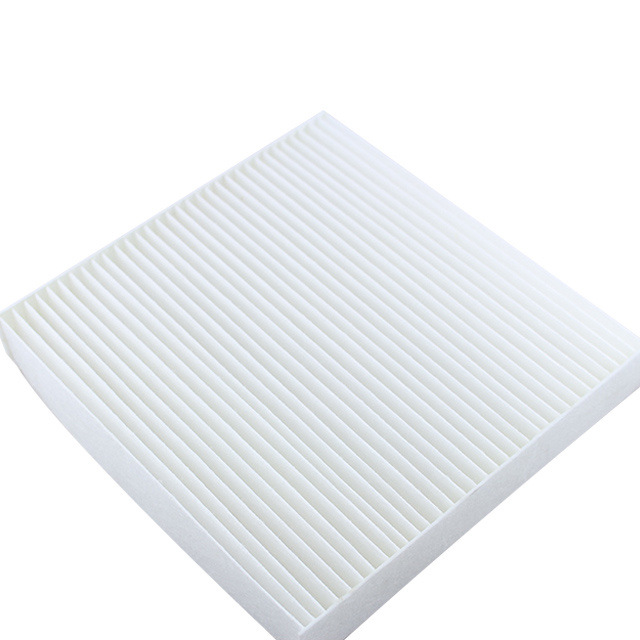
Contact Info
E-mail: txgs@taixifilter.com
Manager Xu: +86-15097925576
Manager Feng: +86-15803195413
Address: North side of Caiyuan Village, Gexianzhuang Town, Qinghe County, Xingtai City, Hebei Province (No. 250)
The Importance of Regularly Changing Your Air Conditioner Air Filter: Improve Air Quality and Extend the Lifespan of Your AC Unit
Release Time:
Oct 10,2023
Table of Contents: 1. Why Changing Your Air Conditioner Air Filter Matters 2. The Benefits of Regular Air Filter Changes 3. How Often Should You Change Your Air Filter? 4. Signs That Indicate It's Time to Replace Your Air Filter 5. Step-by-Step Guide to Changing Your Air Conditioner Air Filter 6. Common FAQs about Air Conditioner Air Filters 6.1. How does a dirty air filter affect the performan
1. Why Changing Your Air Conditioner Air Filter Matters
2. The Benefits of Regular Air Filter Changes
3. How Often Should You Change Your Air Filter?
4. Signs That Indicate It's Time to Replace Your Air Filter
5. Step-by-Step Guide to Changing Your Air Conditioner Air Filter
6. Common FAQs about Air Conditioner Air Filters
6.1. How does a dirty air filter affect the performance of my air conditioner?
6.2. Can a clogged air filter lead to higher energy bills?
6.3. Can a dirty air filter impact the lifespan of my AC unit?
6.4. What are the different types of air filters available?
6.5. Can I clean and reuse my air filter instead of replacing it?
7. Conclusion
1. Why Changing Your Air Conditioner Air Filter Matters
Regularly changing your air conditioner air filter is a crucial maintenance task that often gets overlooked. Air filters serve as the first line of defense against airborne particles, dust, pollen, mold spores, and other contaminants. By trapping these pollutants, air filters prevent them from circulating in your indoor air, thus improving the overall air quality. Neglecting to change the air filter can lead to a range of issues, including reduced airflow, decreased cooling efficiency, and even damage to your AC unit.
2. The Benefits of Regular Air Filter Changes
By proactively changing your air conditioner air filter, you can reap numerous benefits. Firstly, it helps maintain clean and healthy indoor air, especially for individuals with respiratory conditions or allergies. Secondly, a clean air filter improves the energy efficiency of your AC system, as it allows for unrestricted airflow and reduces strain on the unit. This, in turn, can lead to lower energy bills and a reduced carbon footprint. Lastly, regular air filter changes can extend the lifespan of your air conditioner by preventing dust buildup on vital components, reducing the risk of breakdowns, and ensuring optimal performance.
3. How Often Should You Change Your Air Filter?
The frequency of air filter changes depends on various factors, including the type of filter, the number of occupants, and the presence of pets or smokers. As a general guideline, it is recommended to change your air filter every 30-90 days. However, certain circumstances may require more frequent changes, such as during periods of high pollen or when running your AC unit continuously. Checking the filter regularly and assessing its condition is key to determining the appropriate replacement schedule.
4. Signs That Indicate It's Time to Replace Your Air Filter
While following a recommended replacement schedule is essential, there are signs that indicate the need for immediate air filter changes. These include reduced airflow from vents, increased dust accumulation on surfaces, worsening allergies or respiratory symptoms, unusual odors, and visible damage or clogs on the filter. If you observe any of these signs, it's crucial to replace your air filter promptly to prevent further complications and maintain optimal air quality.
5. Step-by-Step Guide to Changing Your Air Conditioner Air Filter
Changing your air conditioner air filter is a simple task that you can easily do yourself. Follow these step-by-step instructions to ensure an efficient and effective filter replacement process:
Step 1: Turn off your air conditioner.
Step 2: Locate the air filter compartment, usually found in the return air duct.
Step 3: Carefully remove the cover or grille to access the filter.
Step 4: Take note of the filter's size and type.
Step 5: Remove the old filter and dispose of it properly.
Step 6: Insert the new filter, ensuring it fits snugly and in the correct orientation.
Step 7: Reattach the cover or grille securely.
Step 8: Turn on your air conditioner and enjoy cleaner, fresher air.
6. Common FAQs about Air Conditioner Air Filters
Here are some frequently asked questions about air conditioner air filters:
6.1. How does a dirty air filter affect the performance of my air conditioner?
A dirty air filter restricts airflow, causing your AC unit to work harder to maintain the desired temperature. This can lead to reduced cooling efficiency, increased energy consumption, and potential strain on the system, which may result in breakdowns or costly repairs.
6.2. Can a clogged air filter lead to higher energy bills?
Yes, a clogged air filter can cause your energy bills to rise. When the filter becomes clogged, the air conditioner needs to work harder to pull air through, consuming more energy in the process. By regularly changing your air filter, you can improve energy efficiency and reduce your monthly expenses.
6.3. Can a dirty air filter impact the lifespan of my AC unit?
Absolutely. A dirty air filter can contribute to the accumulation of dust and debris on crucial components of your AC unit, leading to reduced performance and potentially shortening its lifespan. Regularly changing the air filter is vital to prevent unnecessary wear and tear on the system.
6.4. What are the different types of air filters available?
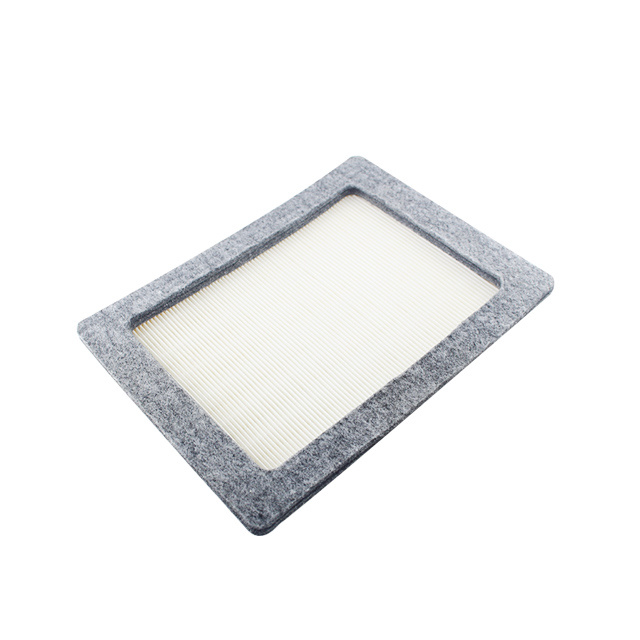
Air filters come in various types, including fiberglass filters, pleated filters, electrostatic filters, and high-efficiency particulate air (HEPA) filters. Each type has its own advantages and filtration capabilities. It is recommended to choose a filter that suits your specific needs and consult your HVAC professional for guidance if necessary.
6.5. Can I clean and reuse my air filter instead of replacing it?
While some air filters are washable and reusable, most disposable filters are not designed for cleaning. Attempting to clean a disposable filter can damage it and compromise its effectiveness. It is best to follow the manufacturer's instructions regarding filter maintenance and replace disposable filters as needed.
7. Conclusion
Regularly changing your air conditioner air filter is a crucial maintenance task that plays a significant role in improving indoor air quality, enhancing energy efficiency, and extending the lifespan of your AC unit. By following the recommended replacement schedule and paying attention to signs of a dirty or clogged filter, you can ensure optimal performance and enjoy clean, fresh air throughout your home. Take control of your air conditioning system's health and prioritize the well-being of your indoor environment by making air filter changes a regular part of your HVAC maintenance routine.
Key words:

* Please Enter Keywords
The company is mainly engaged in the manufacture and sale of auto parts and accessories in the automobile manufacturing industry, the manufacture and sale of automobile rubber products, and the import and export of auto parts.