

 Esperanto
 Shqiptare
 Euskara
 Zulu
Zulu
 Latinus
 Cymraeg
 தமிழ்
தமிழ்
 Slovak
 Slovak
 Afrikaans
Focus On Hot Spots
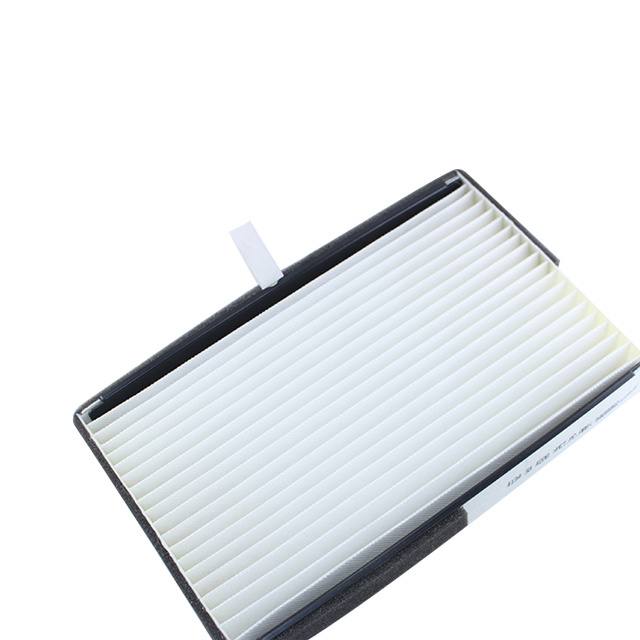
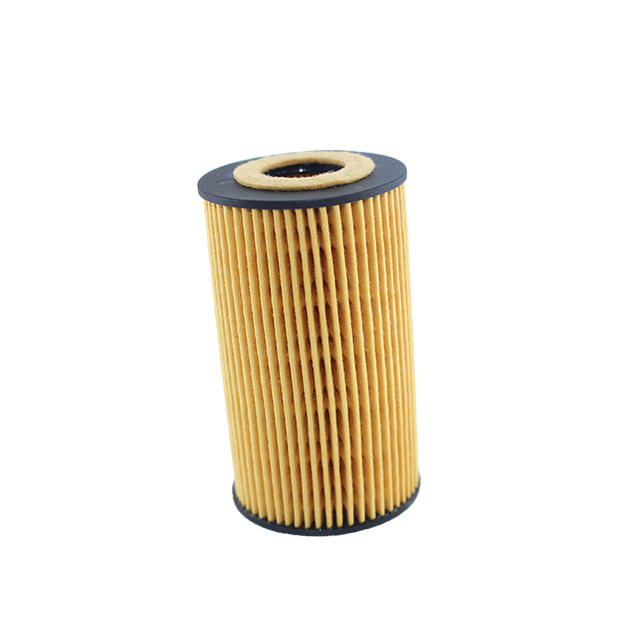
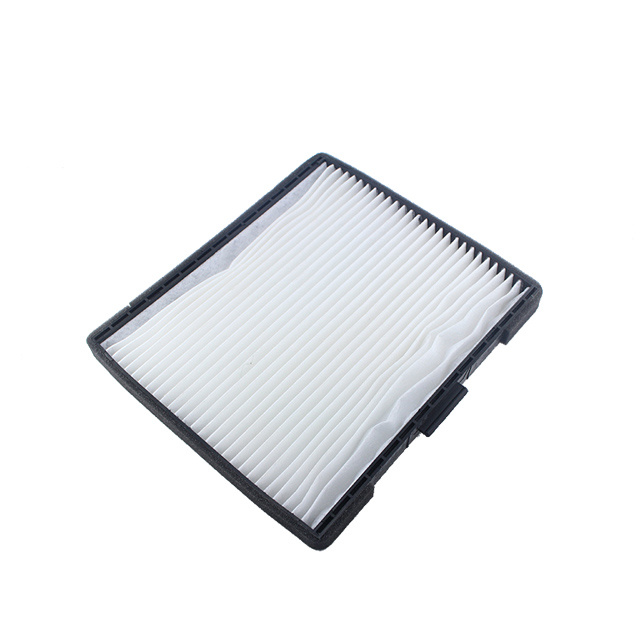
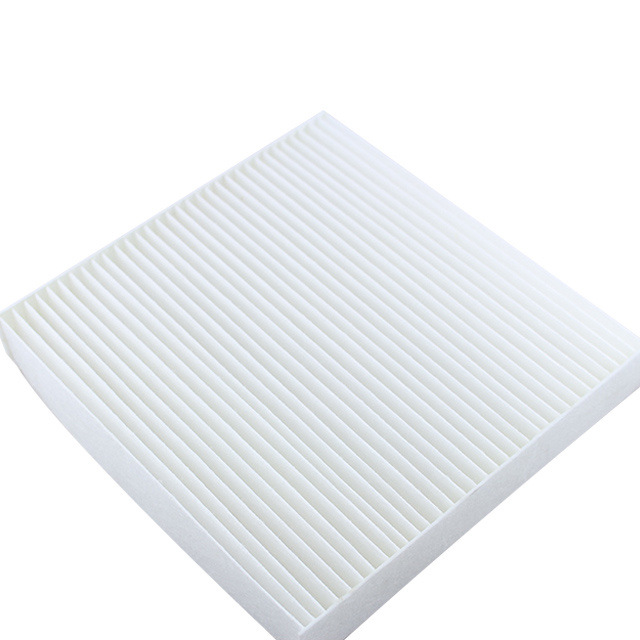
Contact Info
E-mail: txgs@taixifilter.com
Manager Xu: +86-15097925576
Manager Feng: +86-15803195413
Address: North side of Caiyuan Village, Gexianzhuang Town, Qinghe County, Xingtai City, Hebei Province (No. 250)
How to Choose the Right Air Conditioner Air Filter for Your Industrial Equipment
Release Time:
Oct 11,2023
Table of Contents: 1. Importance of Air Conditioner Air Filters 2. Factors to Consider When Choosing an Air Filter 3. Types of Air Filters 3.1. Fiberglass Filters 3.2. Pleated Filters 3.3. Electrostatic Filters 3.4. High-Efficiency Particulate Air (HEPA) Filters 4. MERV Rating: Understanding Filter Efficiency 5. Determining the Right Size 6. Specific Filter Considerations for Industria
1. Importance of Air Conditioner Air Filters
2. Factors to Consider When Choosing an Air Filter
3. Types of Air Filters
3.1. Fiberglass Filters
3.2. Pleated Filters
3.3. Electrostatic Filters
3.4. High-Efficiency Particulate Air (HEPA) Filters
4. MERV Rating: Understanding Filter Efficiency
5. Determining the Right Size
6. Specific Filter Considerations for Industrial Equipment
7. Frequently Asked Questions (FAQs)
7.1. What is the recommended frequency of air filter replacement?
7.2. Can I use a residential air filter for my industrial equipment?
7.3. How can I tell if my air filter needs to be replaced?
7.4. Are there any health benefits to using high-quality air filters?
7.5. Can I clean and reuse my air filter?
8. Conclusion
1. Importance of Air Conditioner Air Filters
Air conditioner air filters play a crucial role in maintaining the air quality and efficiency of your industrial equipment. They trap dust, pollen, mold spores, and other airborne particles, preventing them from entering the system and causing damage.
2. Factors to Consider When Choosing an Air Filter
When selecting an air filter for your industrial equipment, consider the following factors:
- Filtration efficiency
- Airflow resistance
- Cost-effectiveness
- Environmental impact
3. Types of Air Filters
3.1. Fiberglass Filters
Fiberglass filters are inexpensive and have low airflow resistance, but they offer limited filtration efficiency and need frequent replacement.
3.2. Pleated Filters
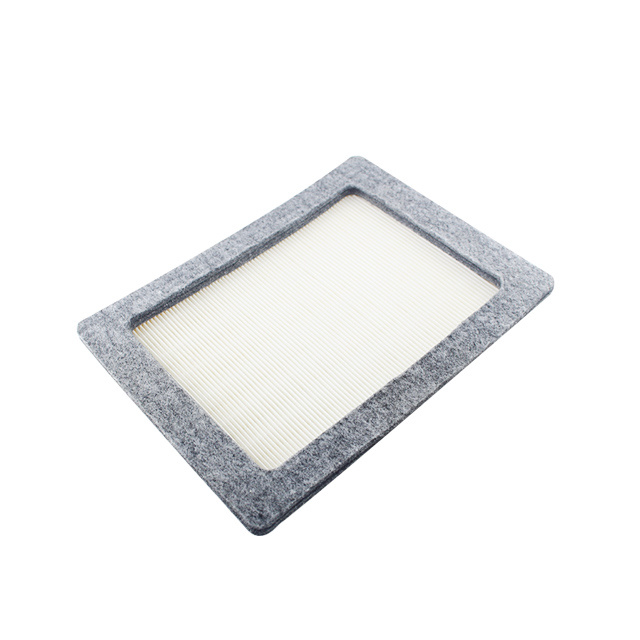
Pleated filters provide higher filtration efficiency and a longer lifespan compared to fiberglass filters. They are available in various sizes and MERV ratings.
3.3. Electrostatic Filters
Electrostatic filters use an electric charge to attract and capture particles. They are efficient and long-lasting but require regular cleaning.
3.4. High-Efficiency Particulate Air (HEPA) Filters
HEPA filters are the most efficient at capturing small particles, making them ideal for industries with strict air quality requirements. However, they may cause higher airflow resistance.
4. MERV Rating: Understanding Filter Efficiency
The Minimum Efficiency Reporting Value (MERV) rating indicates the filter's ability to remove particles of different sizes. Higher MERV ratings mean better filtration efficiency but may result in increased airflow resistance.
5. Determining the Right Size
To determine the correct filter size, measure the dimensions of the existing filter or consult the equipment manufacturer's recommendations. Using an incorrectly sized filter can lead to reduced system performance and increased energy consumption.
6. Specific Filter Considerations for Industrial Equipment
Industrial equipment, such as HVAC systems in manufacturing plants, may require specialized air filters to meet specific industry standards and regulations. Consult with a professional to ensure compliance and optimal performance.
7. Frequently Asked Questions (FAQs)
7.1. What is the recommended frequency of air filter replacement?
The frequency of air filter replacement varies depending on factors such as the environment and filter type. As a general guideline, it is recommended to replace filters every 1 to 3 months.
7.2. Can I use a residential air filter for my industrial equipment?
Residential air filters are not designed to handle the demands of industrial equipment. It is crucial to use air filters specifically designed for industrial applications to ensure proper filtration and performance.
7.3. How can I tell if my air filter needs to be replaced?
Inspect the air filter regularly for signs of dirt, dust buildup, or damage. If it appears clogged or discolored, it is time for a replacement.
7.4. Are there any health benefits to using high-quality air filters?
High-quality air filters can improve indoor air quality by reducing the presence of allergens and harmful particles. This can lead to better respiratory health and overall well-being.
7.5. Can I clean and reuse my air filter?
Some air filters can be cleaned and reused, while others are disposable. Refer to the manufacturer's instructions to determine if your specific filter can be cleaned or needs to be replaced.
8. Conclusion
Choosing the right air conditioner air filter for your industrial equipment is essential for maintaining air quality, system efficiency, and equipment longevity. Consider factors such as filtration efficiency, airflow resistance, and the specific requirements of your industrial application. By selecting the appropriate filter type, size, and MERV rating, you can ensure optimal performance and protect your equipment from potential damage.
Key words:

* Please Enter Keywords
The company is mainly engaged in the manufacture and sale of auto parts and accessories in the automobile manufacturing industry, the manufacture and sale of automobile rubber products, and the import and export of auto parts.