

 Esperanto
 Shqiptare
 Euskara
 Zulu
Zulu
 Latinus
 Cymraeg
 தமிழ்
தமிழ்
 Slovak
 Slovak
 Afrikaans
Focus On Hot Spots
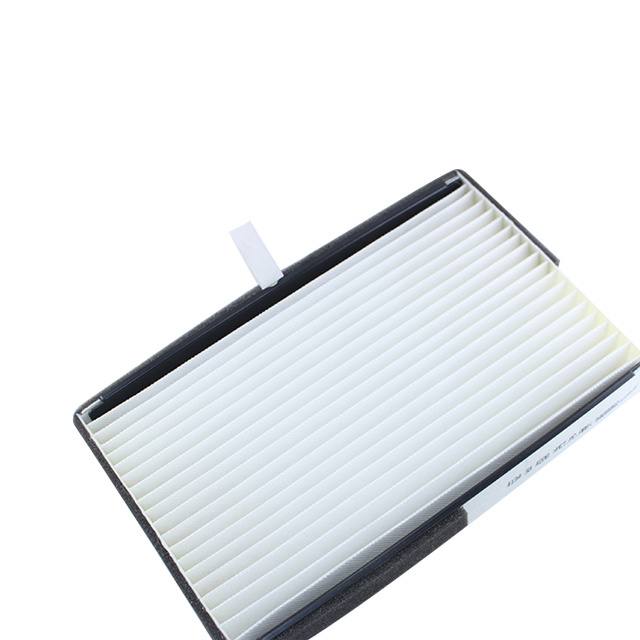
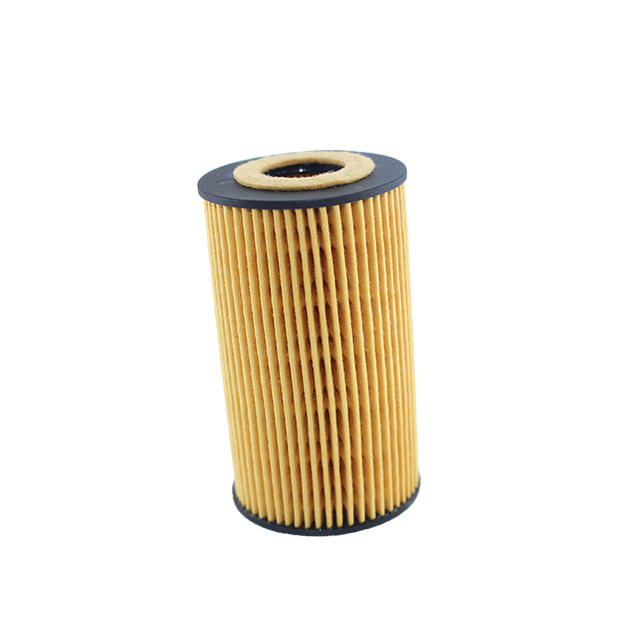
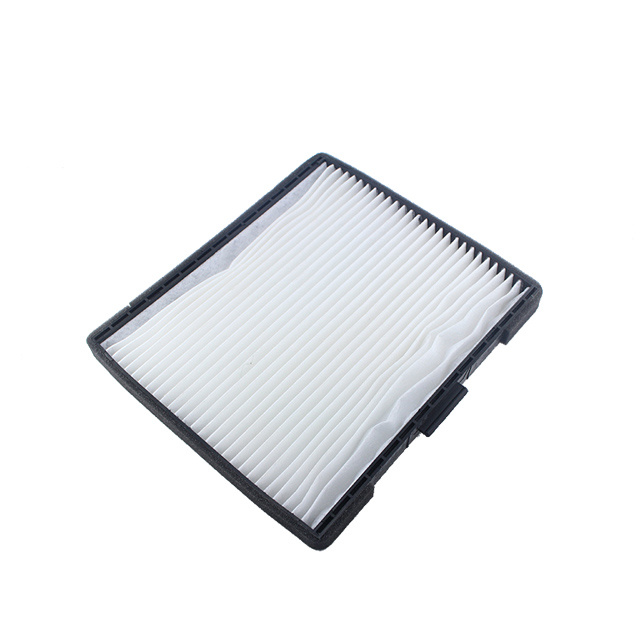
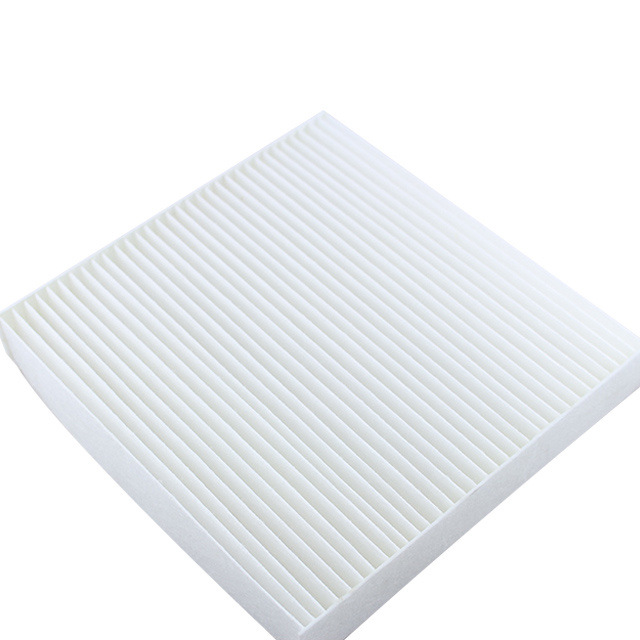
Contact Info
E-mail: txgs@taixifilter.com
Manager Xu: +86-15097925576
Manager Feng: +86-15803195413
Address: North side of Caiyuan Village, Gexianzhuang Town, Qinghe County, Xingtai City, Hebei Province (No. 250)
Maximizing Efficiency: Benefits of a Clean Air Conditioner Air Filter
Release Time:
Oct 11,2023
Table of Contents 1. Introduction 2. The Importance of Air Conditioner Air Filters 3. How Does an Air Conditioner Air Filter Work? 4. Benefits of Regularly Cleaning or Replacing Air Filters 4.1 Improved Energy Efficiency 4.2 Extended Lifespan of the Air Conditioning System 4.3 Enhanced Indoor Air Quality 4.4 Cost Savings on Energy Bills 4.5 Reduced Risk of System Breakdowns 5. How O
1. Introduction
2. The Importance of Air Conditioner Air Filters
3. How Does an Air Conditioner Air Filter Work?
4. Benefits of Regularly Cleaning or Replacing Air Filters
4.1 Improved Energy Efficiency
4.2 Extended Lifespan of the Air Conditioning System
4.3 Enhanced Indoor Air Quality
4.4 Cost Savings on Energy Bills
4.5 Reduced Risk of System Breakdowns
5. How Often Should You Clean or Replace Your Air Filter?
6. Steps to Clean or Replace an Air Conditioner Air Filter
7. FAQs about Air Conditioner Air Filters
7.1 How often should I clean or replace my air filter?
7.2 Can I clean a disposable air filter?
7.3 What type of air filter should I use?
7.4 Can a dirty air filter lead to health problems?
7.5 Can I clean an air filter with water?
8. Conclusion
Introduction
Keeping your air conditioner running smoothly is crucial for maintaining a comfortable indoor environment. One often overlooked aspect of air conditioner maintenance is the regular cleaning or replacement of the air filter. In this article, we will explore the benefits of a clean air conditioner air filter and why it should be an essential part of your HVAC maintenance routine.
The Importance of Air Conditioner Air Filters
Air filters play a vital role in an air conditioning system by trapping dust, dirt, allergens, and other particles from entering the indoor space. Without a functioning air filter, these pollutants would circulate freely, causing poor indoor air quality and potential health issues. Additionally, a dirty air filter can lead to reduced energy efficiency and system malfunctions.
How Does an Air Conditioner Air Filter Work?
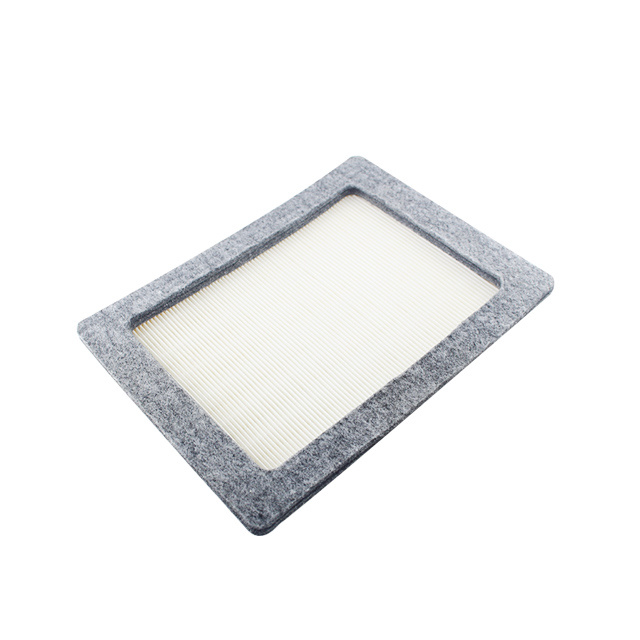
Air conditioner air filters are typically made of pleated paper, fiberglass, or synthetic materials. As the air circulates through the system, the filter captures airborne particles, preventing them from entering the evaporator coil and other sensitive components. By removing contaminants, the air filter ensures cleaner air is circulated throughout the room.
Benefits of Regularly Cleaning or Replacing Air Filters
Improved Energy Efficiency
A clean air conditioner air filter allows for proper airflow, enabling the system to operate efficiently. When the filter becomes clogged with debris, the airflow is restricted, leading to reduced cooling capacity and increased energy consumption. By regularly cleaning or replacing the air filter, you can maximize your air conditioner's energy efficiency and potentially lower your energy bills.
Extended Lifespan of the Air Conditioning System
Proper maintenance, including regular air filter cleaning or replacement, can extend the lifespan of your air conditioning system. When the air filter is dirty, the system works harder to maintain the desired temperature, putting unnecessary strain on the components. Over time, this strain can lead to premature wear and tear, resulting in costly repairs or even system failure. By keeping the air filter clean, you can help prolong the life of your air conditioner.
Enhanced Indoor Air Quality
A clean air filter ensures that the air circulating in your home is free from dust, pollen, pet dander, and other allergens. This is particularly beneficial for individuals with respiratory conditions or allergies. By minimizing the presence of airborne contaminants, a clean air filter promotes a healthier indoor environment and reduces the risk of allergic reactions or respiratory symptoms.
Cost Savings on Energy Bills
As mentioned earlier, a clean air filter allows for proper airflow, preventing the system from working harder than necessary. This improved energy efficiency translates into cost savings on your energy bills. By regularly cleaning or replacing your air filter, you can potentially reduce your cooling costs and enjoy more efficient air conditioning.
Reduced Risk of System Breakdowns
A clogged air filter can strain the air conditioning system, leading to overheating or freezing of the evaporator coil. This can result in system breakdowns and the need for costly repairs. By maintaining a clean air filter, you reduce the risk of these issues, ensuring your air conditioner operates smoothly and reliably.
How Often Should You Clean or Replace Your Air Filter?
The frequency of air filter cleaning or replacement depends on various factors, including the type of filter, the air quality in your area, and the level of system usage. As a general guideline, disposable filters should be replaced every one to three months, while reusable filters should be cleaned every one to two months.
Steps to Clean or Replace an Air Conditioner Air Filter
Cleaning or replacing an air conditioner air filter is a simple process that can be done by following these steps:
1. Turn off the air conditioner.
2. Locate the air filter compartment.
3. Remove the filter from the compartment.
4. If using a disposable filter, throw it away and replace it with a new one. If using a reusable filter, follow the manufacturer's instructions for cleaning.
5. Insert the clean or new filter back into the compartment.
6. Close the compartment and turn on the air conditioner.
FAQs about Air Conditioner Air Filters
How often should I clean or replace my air filter?
The frequency of cleaning or replacement depends on several factors, such as the type of filter and the air quality in your area. As a general rule, disposable filters should be replaced every one to three months, while reusable filters should be cleaned every one to two months.
Can I clean a disposable air filter?
Disposable air filters are designed for single-use and cannot be effectively cleaned. It is recommended to replace them with new filters when they become dirty or clogged.
What type of air filter should I use?
The type of air filter you should use depends on your specific needs and the recommendations of your air conditioning system's manufacturer. Common types include fiberglass filters, pleated filters, and electrostatic filters. Consider factors such as filtration efficiency, airflow resistance, and cost when selecting an air filter.
Can a dirty air filter lead to health problems?
Yes, a dirty air filter can contribute to poor indoor air quality, which can lead to health issues such as allergies, asthma, or respiratory infections. Regularly cleaning or replacing the air filter helps maintain a healthier living environment.
Can I clean an air filter with water?
It is generally not recommended to clean an air filter with water, as this can damage certain types of filters. Refer to the manufacturer's instructions for proper cleaning methods.
Conclusion
Regularly cleaning or replacing your air conditioner air filter offers numerous benefits, including improved energy efficiency, extended system lifespan, enhanced indoor air quality, cost savings, and reduced risk of system breakdowns. By prioritizing this simple maintenance task, you can optimize the performance of your air conditioning system and enjoy a comfortable and healthy living environment. Remember to follow the manufacturer's recommendations and schedule regular filter maintenance to reap the maximum benefits.
Key words:

* Please Enter Keywords
The company is mainly engaged in the manufacture and sale of auto parts and accessories in the automobile manufacturing industry, the manufacture and sale of automobile rubber products, and the import and export of auto parts.