

 Esperanto
 Shqiptare
 Euskara
 Zulu
Zulu
 Latinus
 Cymraeg
 தமிழ்
தமிழ்
 Slovak
 Slovak
 Afrikaans
Focus On Hot Spots
Contact Info
E-mail: txgs@taixifilter.com
Manager Xu: +86-15097925576
Manager Feng: +86-15803195413
Address: North side of Caiyuan Village, Gexianzhuang Town, Qinghe County, Xingtai City, Hebei Province (No. 250)
How to Choose the Right New Air Conditioner Filter for Your Industrial Equipment
Release Time:
Oct 13,2023
Table of Contents: 1. Introduction 2. Importance of a High-Quality Air Conditioner Filter 3. Factors to Consider When Choosing an Air Conditioner Filter 4. Understanding MERV Ratings 5. Different Types of Air Conditioner Filters 6. How to Determine the Correct Filter Size 7. Maintenance and Replacement 8. Frequently Asked Questions 9. Conclusion 1. Introduction When it comes to maintaining industr
1. Introduction
2. Importance of a High-Quality Air Conditioner Filter
3. Factors to Consider When Choosing an Air Conditioner Filter
4. Understanding MERV Ratings
5. Different Types of Air Conditioner Filters
6. How to Determine the Correct Filter Size
7. Maintenance and Replacement
8. Frequently Asked Questions
9. Conclusion
1. Introduction
When it comes to maintaining industrial equipment, one crucial aspect is ensuring proper ventilation and air quality. Air conditioners play a significant role in achieving this, and choosing the right air conditioner filter is vital for the efficient operation of these systems. In this article, we will guide you through the process of selecting the perfect air conditioner filter for your industrial equipment.
2. Importance of a High-Quality Air Conditioner Filter
A high-quality air conditioner filter not only enhances the air quality within your industrial facility but also protects your equipment from dust, debris, and other contaminants. It helps prevent clogged coils, reduced airflow, and potential damage to the air conditioning unit. By investing in the right filter, you can improve indoor air quality, prolong the lifespan of your equipment, and reduce the frequency of maintenance and repairs.
3. Factors to Consider When Choosing an Air Conditioner Filter
When selecting an air conditioner filter, several factors need to be taken into consideration. These include filtration efficiency, airflow resistance, filter material, and compatibility with your equipment. Assessing your specific needs and requirements will help you make an informed decision.
Filtration Efficiency
The filtration efficiency of a filter determines its ability to trap airborne particles. This efficiency is measured using the Minimum Efficiency Reporting Value (MERV) rating. Higher MERV ratings indicate better filtration capabilities. Consider the air quality in your industrial facility and the level of filtration required to choose the appropriate MERV rating for your needs.
Airflow Resistance
Airflow resistance is another essential factor to consider. While high-efficiency filters offer superior filtration, they may also restrict airflow, leading to reduced system performance. Strike a balance between filtration efficiency and airflow resistance to ensure optimal performance.
Filter Material
Air conditioner filters are commonly made from fiberglass, polyester, or pleated paper. Each material has its advantages and disadvantages. Fiberglass filters are cost-effective but offer lower filtration efficiency, while pleated paper filters provide excellent filtration but may increase airflow resistance. Evaluate the pros and cons of each material to find the best fit for your equipment.
Compatibility
Ensure that the air conditioner filter you choose is compatible with your industrial equipment. Consider the dimensions, design, and installation requirements specified by the manufacturer. An ill-fitting filter can compromise the effectiveness of your air conditioning system.
4. Understanding MERV Ratings
MERV ratings play a crucial role in determining the filtration efficiency of air conditioner filters. The scale ranges from 1 to 20, with higher ratings indicating better filtration capabilities. Filters with higher MERV ratings are more effective at trapping smaller particles, including dust, pollen, and mold spores. However, bear in mind that higher-rated filters may also have increased airflow resistance.
5. Different Types of Air Conditioner Filters
There are several types of air conditioner filters available in the market. Understanding their characteristics will help you make an informed decision:
Fiberglass Filters
Fiberglass filters are budget-friendly options that offer basic filtration capabilities. They are most effective in preventing large particles from entering the air conditioning system but may not capture smaller contaminants.
Pleated Filters
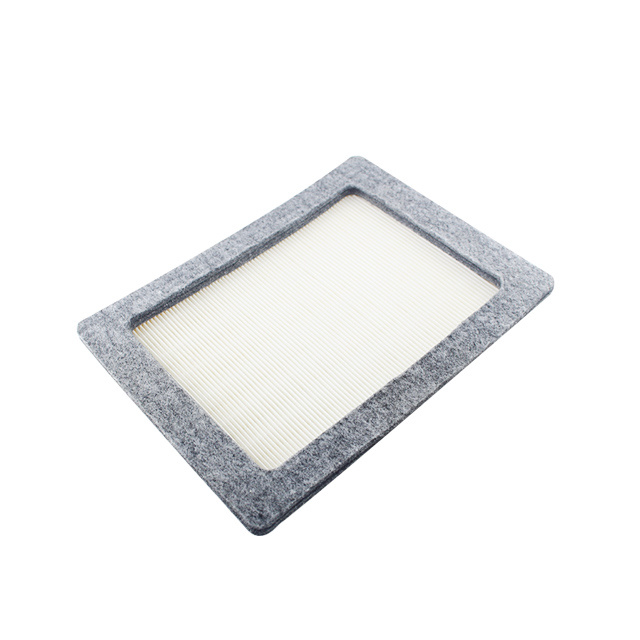
Pleated filters are made from polyester or cotton blend materials and offer higher filtration efficiency compared to fiberglass filters. Their pleated design provides a larger surface area for trapping particles, making them suitable for environments with higher levels of contaminants.
Electrostatic Filters
Electrostatic filters use an electric charge to attract and capture airborne particles. They are efficient in removing both small and large particles and are ideal for industrial facilities with high levels of pollutants.
HEPA Filters
High-Efficiency Particulate Air (HEPA) filters are the gold standard in air filtration. They can trap up to 99.97% of particles as small as 0.3 microns. HEPA filters are commonly used in industries that require stringent air quality control, such as pharmaceutical manufacturing or cleanrooms.
6. How to Determine the Correct Filter Size
Choosing the right filter size is crucial for ensuring proper fit and performance. Consult your equipment's manual or consult a professional to determine the correct dimensions. Measure the length, width, and thickness of the existing filter or the filter housing to ensure an accurate size match.
7. Maintenance and Replacement
Regular maintenance and timely replacement of air conditioner filters are essential for optimal performance. Follow the manufacturer's recommendations regarding the frequency of filter replacement. Inspect filters regularly for dirt accumulation, damage, or signs of wear. Replace filters promptly to avoid compromised air quality and potential damage to your equipment.
8. Frequently Asked Questions
Q: How often should I replace the air conditioner filter?
A: Filter replacement frequency depends on various factors, including the type of filter, the air quality in your facility, and the manufacturer's recommendations. It is generally advised to replace filters every 1 to 3 months.
Q: Can I clean and reuse air conditioner filters?
A: Certain types of filters, such as washable filters or electrostatic filters, can be cleaned and reused. However, most disposable filters should be replaced rather than cleaned, as cleaning may not fully restore their filtration efficiency.
Q: What are the signs of a clogged air conditioner filter?
A: Reduced airflow, increased energy consumption, poor air quality, and frequent breakdowns or malfunctions of the air conditioning system can indicate a clogged filter.
Q: Can using a higher-rated filter improve air quality?
A: Using a higher-rated filter can improve air quality by capturing smaller particles. However, it is essential to ensure that the filter is compatible with your equipment and does not restrict airflow excessively.
Q: Are all filters labeled with MERV ratings?
A: No, not all filters are labeled with MERV ratings. Some manufacturers may use alternative rating systems. However, MERV ratings are widely recognized as a standard measure of filter efficiency.
9. Conclusion
Choosing the right air conditioner filter for your industrial equipment is crucial for maintaining optimal performance and indoor air quality. Consider factors such as filtration efficiency, airflow resistance, filter material, and compatibility to make an informed decision. Regular maintenance and timely filter replacement will ensure the longevity of your equipment and a healthier working environment. Remember to consult the manufacturer's recommendations and seek professional assistance if needed.
Key words:

* Please Enter Keywords
The company is mainly engaged in the manufacture and sale of auto parts and accessories in the automobile manufacturing industry, the manufacture and sale of automobile rubber products, and the import and export of auto parts.