

 Esperanto
 Shqiptare
 Euskara
 Zulu
Zulu
 Latinus
 Cymraeg
 தமிழ்
தமிழ்
 Slovak
 Slovak
 Afrikaans
Focus On Hot Spots
Contact Info
E-mail: txgs@taixifilter.com
Manager Xu: +86-15097925576
Manager Feng: +86-15803195413
Address: North side of Caiyuan Village, Gexianzhuang Town, Qinghe County, Xingtai City, Hebei Province (No. 250)
The Importance of Using a High-Quality Air Conditioning Filter: Keeping Your Indoor Air Clean and Healthy
Release Time:
Oct 18,2023
Introduction Indoor air quality is a significant concern, especially considering that most people spend a significant amount of time indoors. One of the primary ways to ensure clean and healthy indoor air is by using a high-quality air conditioning filter. In this article, we will explore the importance of using a top-notch filter, the benefits it offers, and how you can choose the right one for
Introduction
Indoor air quality is a significant concern, especially considering that most people spend a significant amount of time indoors. One of the primary ways to ensure clean and healthy indoor air is by using a high-quality air conditioning filter. In this article, we will explore the importance of using a top-notch filter, the benefits it offers, and how you can choose the right one for your air conditioning system.
1. Why is a High-Quality Air Conditioning Filter Important?
A high-quality air conditioning filter plays a crucial role in maintaining good indoor air quality. It effectively captures and eliminates various airborne particles, such as dust, pollen, pet dander, mold spores, and even bacteria and viruses. By using a top-notch filter, you can significantly reduce the number of harmful pollutants circulating in your home or office.
1.1 Benefits of Using a High-Quality Air Conditioning Filter
Using a high-quality air conditioning filter offers numerous benefits. Firstly, it helps to remove allergens from the air, making it ideal for individuals with allergies or respiratory conditions. Additionally, it prevents the accumulation of dust and dirt in your air conditioning system, which can lead to reduced efficiency and costly repairs. Lastly, a top-notch filter can improve the overall air quality in your space, creating a healthier and more comfortable environment.
2. How Can a High-Quality Air Conditioning Filter Improve Air Quality?
A high-quality air conditioning filter is designed to trap and remove a wide range of airborne pollutants, thus improving the indoor air quality. It efficiently captures particles that can trigger allergies or asthma symptoms, such as dust mites, pollen, and pet dander. Moreover, it can help eliminate harmful bacteria and viruses, reducing the risk of respiratory infections. By removing these contaminants, the filter ensures cleaner and fresher air for you and your family.
2.1 The Role of Filtration Efficiency
Filtration efficiency is an essential factor to consider when choosing an air conditioning filter. It refers to the filter's ability to capture particles of different sizes. Filters with higher efficiency can trap smaller particles, including bacteria and viruses, providing superior air purification. Look for filters with a high Minimum Efficiency Reporting Value (MERV) rating, as they offer better filtration performance.
3. Choosing the Right Filter for Your Needs
Selecting the right air conditioning filter is crucial to ensure optimal air quality and system performance. Here are some factors to consider when choosing a filter:
3.1 Filter Size and Compatibility
Check your air conditioning system's specifications to determine the appropriate filter size. Using the wrong size can lead to inadequate filtration or air leakage. Additionally, ensure compatibility with your system, as some filters are designed for specific models or brands.
3.2 Filter Type
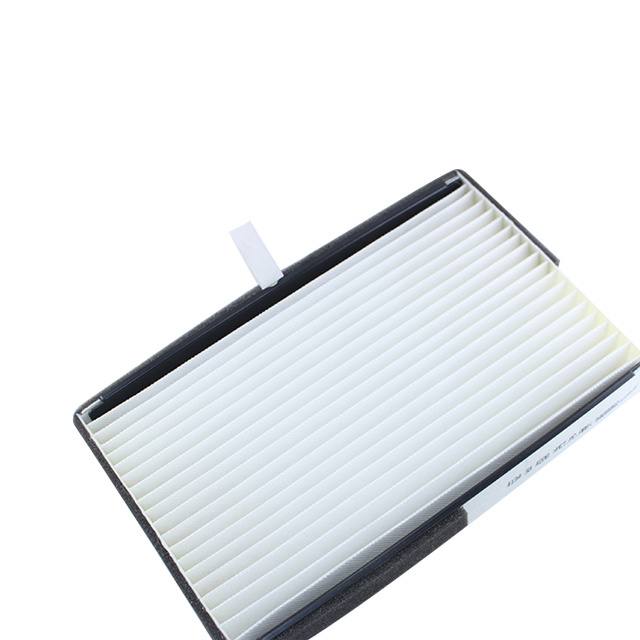
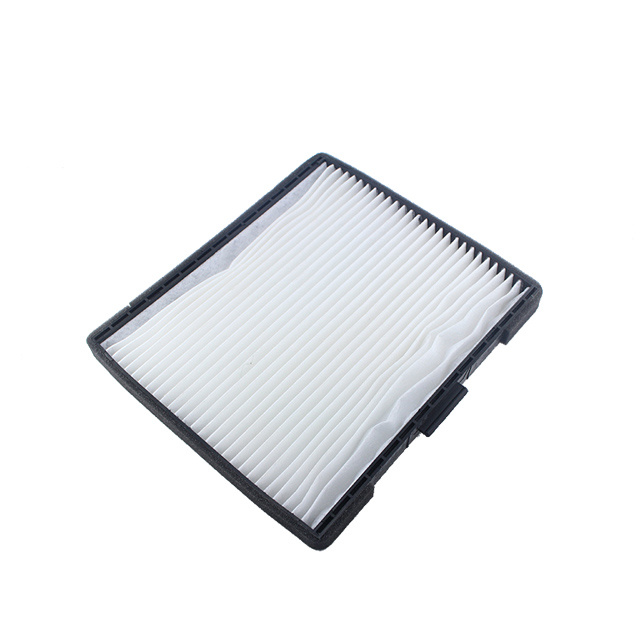
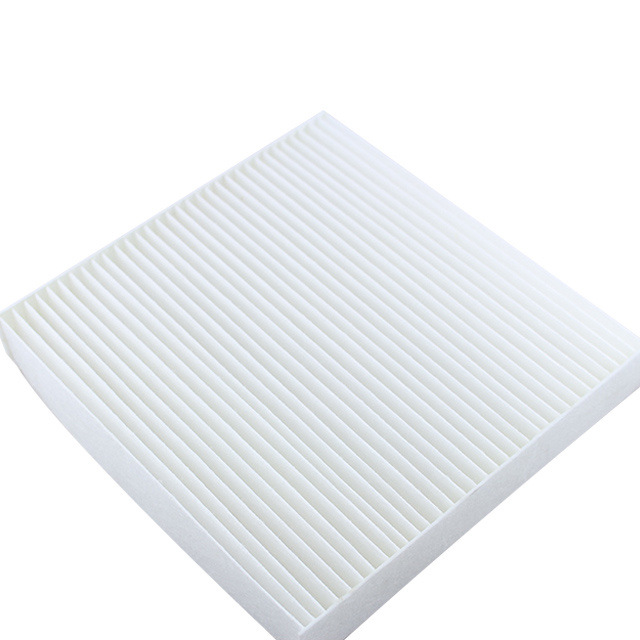
There are various types of air conditioning filters available, including fiberglass, pleated, and electrostatic filters. Pleated filters, especially those made of synthetic materials, generally offer better filtration efficiency and a longer lifespan. Consider your specific needs and budget when selecting a filter type.
3.3 MERV Rating
The MERV rating indicates the filter's ability to capture particles. Higher MERV ratings indicate better filtration performance. However, filters with higher ratings may also restrict airflow, affecting your system's efficiency. It is essential to find the right balance between filtration efficiency and airflow for optimal performance.
4. Frequently Asked Questions (FAQs)
FAQ 1: How often should I change my air conditioning filter?
Regular filter replacement is crucial for maintaining optimal air quality. The frequency of filter changes depends on various factors, such as filter type, MERV rating, and environmental conditions. As a general guideline, it is recommended to replace filters every 3-6 months, or more frequently if you have pets or allergies.
FAQ 2: Can a high-quality filter reduce energy consumption?
Yes, a high-quality air conditioning filter can help reduce energy consumption. By trapping dust and debris, it prevents them from clogging the system, allowing it to function more efficiently. A clean filter ensures unrestricted airflow, reducing the strain on your air conditioning unit and potentially lowering your energy bills.
FAQ 3: Can I clean and reuse my air conditioning filter?
Some filters are washable and reusable, but it is essential to follow the manufacturer's instructions. However, most high-quality filters are designed to be disposable. Reusing a filter beyond its recommended lifespan can compromise its filtration efficiency and potentially damage your air conditioning system.
FAQ 4: Are HEPA filters suitable for air conditioning systems?
HEPA (High-Efficiency Particulate Air) filters are highly effective at capturing small particles, including allergens and pollutants. While they offer excellent filtration, they may not be compatible with all air conditioning systems due to their dense structure, which can restrict airflow. Check your system's specifications before using a HEPA filter.
FAQ 5: Can a high-quality filter eliminate odors?
While air conditioning filters can help reduce certain odors, they are not specifically designed for odor elimination. Consider using additional air purification methods, such as activated carbon filters or air purifiers, to address specific odor concerns.
5. Conclusion
Using a high-quality air conditioning filter is essential for maintaining clean and healthy indoor air. It effectively removes various pollutants, allergens, and even harmful microorganisms, improving the overall air quality. By selecting the right filter and regularly replacing it, you can ensure optimal performance of your air conditioning system and enjoy a more comfortable living or working environment. Invest in a top-notch filter today and breathe easier tomorrow.
Key words:

* Please Enter Keywords
The company is mainly engaged in the manufacture and sale of auto parts and accessories in the automobile manufacturing industry, the manufacture and sale of automobile rubber products, and the import and export of auto parts.