

 Esperanto
 Shqiptare
 Euskara
 Zulu
Zulu
 Latinus
 Cymraeg
 தமிழ்
தமிழ்
 Slovak
 Slovak
 Afrikaans
Focus On Hot Spots
Contact Info
E-mail: txgs@taixifilter.com
Manager Xu: +86-15097925576
Manager Feng: +86-15803195413
Address: North side of Caiyuan Village, Gexianzhuang Town, Qinghe County, Xingtai City, Hebei Province (No. 250)
How to Choose the Right Air Conditioning Filter for Your Industrial Equipment
Release Time:
Oct 18,2023
Table of Contents: 1. Introduction 2. Why Choosing the Right Air Conditioning Filter is Important 3. Factors to Consider When Selecting an Air Conditioning Filter 3.1. Filter Efficiency 3.2. Filter Size and Compatibility 3.3. Airflow Capacity 3.4. Filter Longevity 3.5. Environmental Considerations 4. Different Types of Air Conditioning Filters 4.1. Fiberglass Filters 4.2. Plea
1. Introduction
2. Why Choosing the Right Air Conditioning Filter is Important
3. Factors to Consider When Selecting an Air Conditioning Filter
3.1. Filter Efficiency
3.2. Filter Size and Compatibility
3.3. Airflow Capacity
3.4. Filter Longevity
3.5. Environmental Considerations
4. Different Types of Air Conditioning Filters
4.1. Fiberglass Filters
4.2. Pleated Filters
4.3. Electrostatic Filters
4.4. HEPA Filters
5. How to Determine the Appropriate Filter Rating
5.1. MERV Rating
5.2. ASHRAE Rating
5.3. Micron Rating
6. Frequently Asked Questions (FAQs)
6.1. What is the recommended filter change frequency?
6.2. Can I clean and reuse air conditioning filters?
6.3. How do I know if a filter is the right size for my equipment?
6.4. Are there any maintenance tips to extend the lifespan of filters?
6.5. Can using the wrong filter impact the efficiency of my industrial equipment?
7. Conclusion
1. Introduction
Welcome to our comprehensive guide on choosing the right air conditioning filter for your industrial equipment. In this article, we will walk you through the key factors to consider, different types of filters available, and how to determine the appropriate filter rating. By the end, you'll have the knowledge needed to make an informed decision and ensure optimal performance for your machinery.
2. Why Choosing the Right Air Conditioning Filter is Important
Selecting the correct air conditioning filter for your industrial equipment is crucial for several reasons. A properly chosen filter:
- Enhances Indoor Air Quality: An efficient filter helps remove dust, allergens, and other contaminants from the air, ensuring a healthier working environment for your employees.
- Protects Equipment: The right filter prevents debris from entering your equipment, reducing the risk of damage or breakdowns.
- Improves Energy Efficiency: A clean and properly fitted filter allows for better airflow, optimizing the cooling process and reducing energy consumption.
- Extends Equipment Lifespan: By keeping your equipment clean and protected, the right filter helps prolong its operational life.
3. Factors to Consider When Selecting an Air Conditioning Filter
When choosing an air conditioning filter for your industrial equipment, consider the following factors:
3.1. Filter Efficiency
Filter efficiency refers to the ability of a filter to capture and retain particles of a specific size. Higher efficiency filters can trap smaller particles, providing better air quality. Consider the specific filtration needs of your equipment and environment when selecting the appropriate efficiency rating.
3.2. Filter Size and Compatibility
Ensure the filter you choose fits perfectly in the air conditioning system. Measure the existing filter or consult your equipment's manual for the correct dimensions. Compatibility is essential to prevent air leakage and maintain optimal performance.
3.3. Airflow Capacity
Consider the airflow requirements of your industrial equipment. A filter with high airflow capacity ensures that the system receives adequate air, preventing strain on the equipment and maintaining efficiency.
3.4. Filter Longevity
Evaluate the expected lifespan of the filter. Some filters may need to be replaced more frequently than others, depending on the operating conditions and the presence of pollutants in your working environment.
3.5. Environmental Considerations
Take into account any specific environmental factors that may impact your filter's performance, such as high humidity or chemical exposure. Choose a filter that can withstand these conditions without compromising its efficiency.
4. Different Types of Air Conditioning Filters
Understanding the various types of filters available can help you make an informed decision. Here are the most common options:
4.1. Fiberglass Filters
Fiberglass filters are the most basic and affordable option. They provide moderate filtration and are suitable for low-contamination environments.
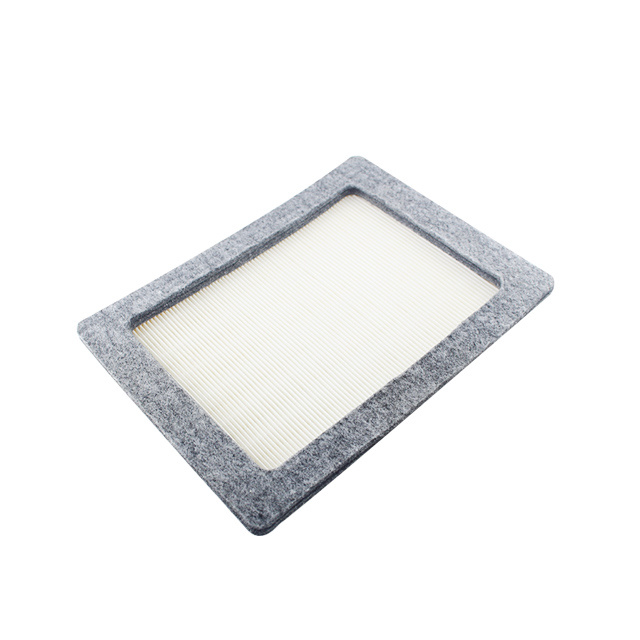
4.2. Pleated Filters
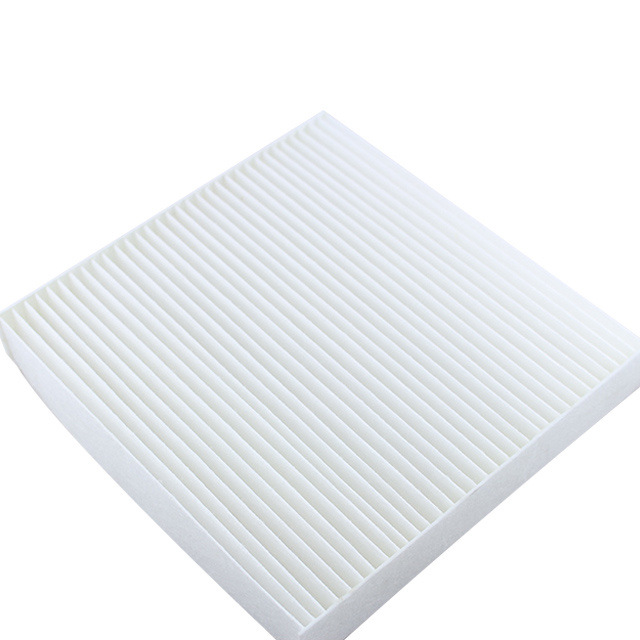
Pleated filters offer higher filtration efficiency due to their increased surface area. They are suitable for environments with moderate levels of contaminants.
4.3. Electrostatic Filters
Electrostatic filters use electrostatic charges to attract and capture particles. They provide excellent filtration and are ideal for environments with high levels of contaminants.
4.4. HEPA Filters
HEPA filters are highly efficient and can capture up to 99.97% of particles as small as 0.3 microns. They are recommended for environments that require the highest level of air purity, such as healthcare facilities or laboratories.
5. How to Determine the Appropriate Filter Rating
Filter ratings help you understand a filter's efficiency and performance. Consider the following rating systems:
5.1. MERV Rating
The Minimum Efficiency Reporting Value (MERV) rating indicates a filter's ability to capture particles of different sizes. Higher MERV ratings signify higher efficiency.
5.2. ASHRAE Rating
The American Society of Heating, Refrigerating, and Air-Conditioning Engineers (ASHRAE) rates filters based on their ability to remove particles of specific sizes. Look for filters with higher ASHRAE ratings for better performance.
5.3. Micron Rating
Micron ratings measure a filter's ability to capture particles of a specific size. A lower micron rating indicates a finer filtration capability.
6. Frequently Asked Questions (FAQs)
6.1. What is the recommended filter change frequency?
The filter change frequency depends on various factors such as the environment, filter type, and equipment usage. As a general guideline, it is recommended to replace filters every three to six months.
6.2. Can I clean and reuse air conditioning filters?
Some filters are washable and reusable, while others are designed for one-time use. Check the manufacturer's instructions to determine if your filter can be cleaned and reused.
6.3. How do I know if a filter is the right size for my equipment?
Measure the dimensions of your existing filter or consult your equipment's manual to find the correct size. A properly sized filter should fit snugly without any gaps.
6.4. Are there any maintenance tips to extend the lifespan of filters?
Regularly inspect the filter for dirt and debris accumulation. Clean or replace it as needed. Additionally, ensure proper airflow and keep the surrounding area clean to prevent excessive strain on the filter.
6.5. Can using the wrong filter impact the efficiency of my industrial equipment?
Using an incorrect filter can hinder airflow, reduce equipment efficiency, and potentially lead to equipment damage. It is crucial to choose the right filter that meets the specific requirements of your industrial equipment.
7. Conclusion
Choosing the right air conditioning filter for your industrial equipment is vital for optimal performance, energy efficiency, and equipment longevity. Consider factors such as filter efficiency, size, airflow capacity, longevity, and environmental conditions. Familiarize yourself with the different types of filters available and understand the appropriate filter ratings. By making an informed decision, you can ensure clean and healthy indoor air quality while safeguarding your machinery.
Key words:

* Please Enter Keywords
The company is mainly engaged in the manufacture and sale of auto parts and accessories in the automobile manufacturing industry, the manufacture and sale of automobile rubber products, and the import and export of auto parts.