

 Esperanto
 Shqiptare
 Euskara
 Zulu
Zulu
 Latinus
 Cymraeg
 தமிழ்
தமிழ்
 Slovak
 Slovak
 Afrikaans
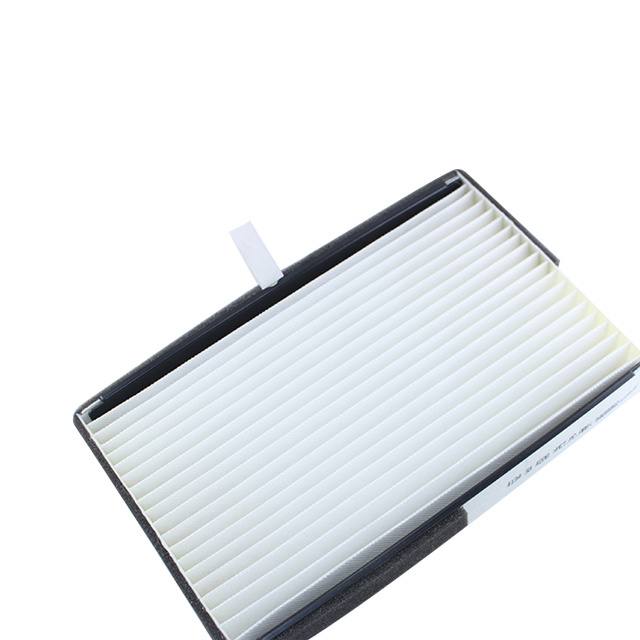
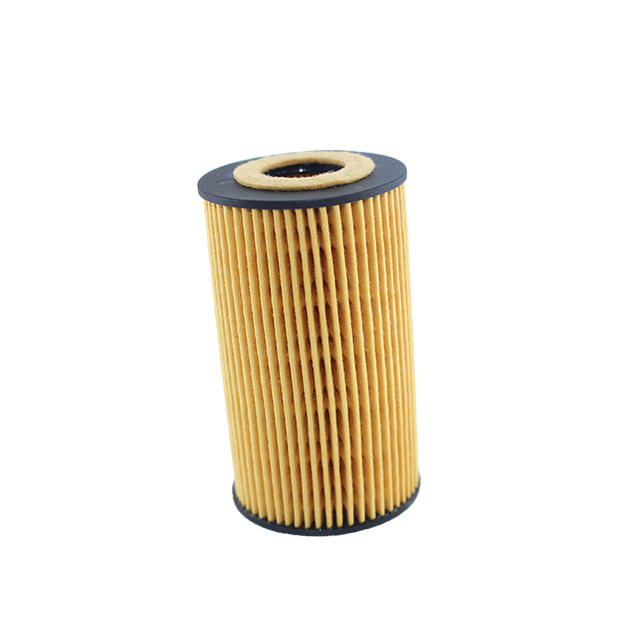
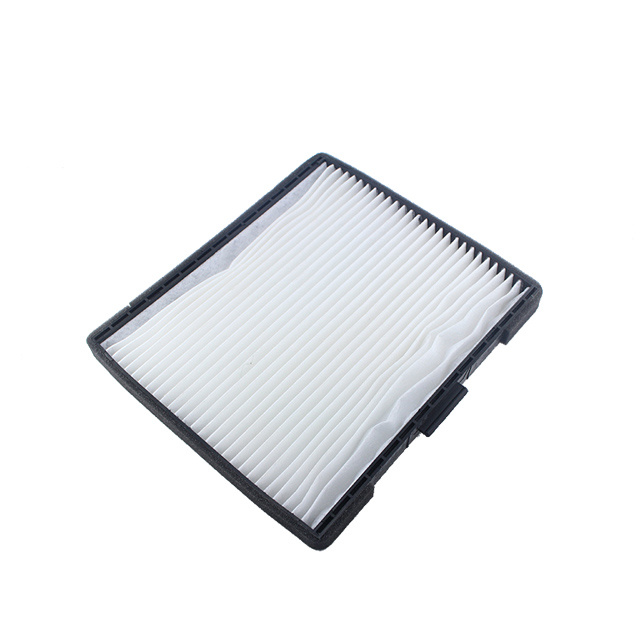
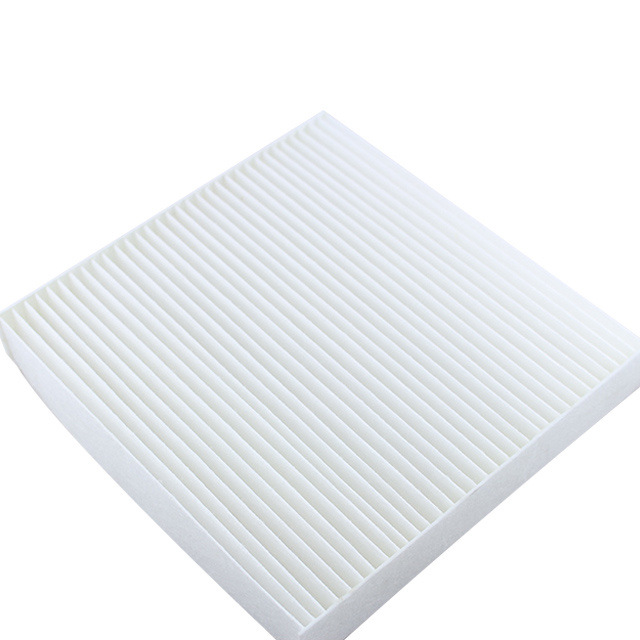
Focus On Hot Spots
Contact Info
E-mail: txgs@taixifilter.com
Manager Xu: +86-15097925576
Manager Feng: +86-15803195413
Address: North side of Caiyuan Village, Gexianzhuang Town, Qinghe County, Xingtai City, Hebei Province (No. 250)
The Ultimate Guide to Choosing the Best Air Filter for Industrial Equipment
Release Time:
Oct 19,2023
Table of Contents: 1. Introduction 2. Importance of Air Filters for Industrial Equipment 3. Understanding Air Filter Efficiency Ratings 4. Different Types of Air Filters for Industrial Equipment 5. Factors to Consider When Choosing an Air Filter 6. Common Mistakes to Avoid When Selecting an Air Filter 7. FAQs about Industrial Air Filters 8. Conclusion 1. Introduction When it comes to industrial eq
1. Introduction
2. Importance of Air Filters for Industrial Equipment
3. Understanding Air Filter Efficiency Ratings
4. Different Types of Air Filters for Industrial Equipment
5. Factors to Consider When Choosing an Air Filter
6. Common Mistakes to Avoid When Selecting an Air Filter
7. FAQs about Industrial Air Filters
8. Conclusion
1. Introduction
When it comes to industrial equipment, choosing the right air filter is crucial for maintaining the efficiency and longevity of your machinery. In this ultimate guide, we will explore the various aspects you need to consider to select the best air filter for your industrial equipment.
2. Importance of Air Filters for Industrial Equipment
Industrial equipment operates in demanding environments where dust, debris, and contaminants can significantly impact performance. Air filters play a vital role in preventing these particles from entering the machinery and clogging essential components, such as engines and compressors. By ensuring clean air intake, air filters contribute to improved machine efficiency, reduced downtime, and increased lifespan.
3. Understanding Air Filter Efficiency Ratings
Air filter efficiency is measured using the Minimum Efficiency Reporting Value (MERV) scale. This scale ranges from 1 to 20, with higher ratings indicating better filtration capabilities. When selecting an air filter for your industrial equipment, it is essential to consider the specific MERV rating required to address the potential contaminants in your working environment.
3.1 MERV 1-4: Basic Filtration
Air filters with MERV ratings between 1 and 4 are designed to capture larger particles such as dust and pollen. While these filters offer minimal filtration, they are suitable for environments with low levels of contamination.
3.2 MERV 5-8: Standard Filtration
Filters with MERV ratings of 5 to 8 are effective in capturing smaller particles, including mold spores and pet dander. They provide improved filtration for industrial settings with moderate contamination levels.
3.3 MERV 9-12: Enhanced Filtration
Air filters with MERV ratings between 9 and 12 are capable of capturing even smaller particles, such as fine dust and smoke. These filters are ideal for industrial environments with higher contamination levels, ensuring superior air quality and equipment protection.
3.4 MERV 13-16: High Efficiency Filtration
Filters with MERV ratings of 13 to 16 offer exceptional filtration, removing bacteria, viruses, and microscopic particles from the air. These filters are recommended for highly sensitive industries, such as pharmaceuticals and electronics, where maintaining a sterile environment is critical.
4. Different Types of Air Filters for Industrial Equipment
There are several types of air filters available for industrial equipment, each with its own unique features and advantages. Here are some common types:
4.1 Fiberglass Filters
Fiberglass filters are economical and commonly used in industrial settings. They are disposable, offering basic filtration capabilities.
4.2 Pleated Filters
Pleated filters have a larger surface area, allowing for better airflow and longer service life. They provide enhanced filtration compared to fiberglass filters.
4.3 HEPA Filters
High-Efficiency Particulate Air (HEPA) filters offer the highest level of filtration, capturing up to 99.97% of particles as small as 0.3 microns. These filters are suitable for industries that require a sterile environment.
4.4 Activated Carbon Filters
Activated carbon filters are effective in removing odors and harmful gases from the air. They are commonly used in industries dealing with chemicals and fumes.
5. Factors to Consider When Choosing an Air Filter
Selecting the best air filter for your industrial equipment involves considering several important factors:
5.1 Filtration Efficiency
Determine the level of filtration required based on the contaminants present in your working environment. Choose a filter with an appropriate MERV rating to ensure efficient particle removal.
5.2 Airflow Resistance
Consider the pressure drop or resistance caused by the filter. Balancing filtration efficiency with acceptable airflow resistance is crucial to prevent strain on your equipment.
5.3 Filter Size
Ensure the air filter you choose fits properly in your equipment's housing. Incorrectly sized filters can lead to bypassing and reduced filtration effectiveness.
5.4 Service Life
Evaluate the expected service life of the filter. Some filters require more frequent replacements, while others can last longer, reducing maintenance costs.
5.5 Cost-effectiveness
Determine the overall cost-effectiveness by considering the initial purchase price, filter lifespan, and energy consumption. Opting for a more efficient filter may result in long-term savings.
6. Common Mistakes to Avoid When Selecting an Air Filter
To ensure you make the best decision when choosing an air filter for your industrial equipment, avoid these common mistakes:
6.1 Neglecting Specific Environmental Factors
Failing to consider the specific contaminants and conditions in your working environment can lead to inadequate filtration and equipment damage.
6.2 Choosing the Wrong MERV Rating
Selecting a filter with an inappropriate MERV rating can result in either insufficient filtration or unnecessary airflow resistance. Understanding your environment's contamination levels is key.
6.3 Ignoring Regular Maintenance
Neglecting to replace or clean air filters regularly can diminish their effectiveness and impact equipment performance. Adhere to recommended maintenance schedules.
6.4 Overlooking Energy Efficiency
Choosing a filter solely based on its filtration capabilities without considering energy consumption can lead to increased operational costs.
6.5 Opting for Price Over Quality
While cost is an important factor, prioritizing the cheapest option without considering filtration efficiency and overall performance can result in subpar filtration and increased maintenance costs.
7. FAQs about Industrial Air Filters
FAQ 1: What is the recommended filter replacement frequency?
The frequency of filter replacement depends on various factors such as the contamination levels in your environment and the manufacturer's recommendations. It is generally advisable to replace filters every 3 to 6 months.
FAQ 2: Can I reuse or clean an air filter?
Some filters are designed to be reusable or washable. However, not all filters have this feature. Refer to the manufacturer's instructions to determine if your filter is reusable or requires replacement.
FAQ 3: Are all air filters compatible with any industrial equipment?
No, air filters come in different sizes and designs. It is crucial to choose a filter that is compatible with your specific industrial equipment. Consult the equipment's manual or a professional for guidance.
FAQ 4: How do I know if my air filter needs replacement?
Inspecting the filter regularly for visible dirt buildup is a good practice. Additionally, reduced airflow or increased pressure drop across the filter may indicate the need for replacement.
FAQ 5: Can I use a higher MERV-rated filter for better filtration?
While using a higher MERV-rated filter can provide better filtration, it may also increase airflow resistance. Ensure your equipment can handle the additional resistance before opting for a higher MERV rating.
8. Conclusion
Choosing the best air filter for your industrial equipment is essential for maintaining optimal performance and prolonging the life of your machinery. By considering factors like filtration efficiency, airflow resistance, and specific environmental conditions, you can make an informed decision that ensures clean and reliable operation. Remember to adhere to regular maintenance schedules and consult professionals when needed to maximize the effectiveness of your chosen air filter.
Key words:

* Please Enter Keywords
The company is mainly engaged in the manufacture and sale of auto parts and accessories in the automobile manufacturing industry, the manufacture and sale of automobile rubber products, and the import and export of auto parts.