

 Esperanto
 Shqiptare
 Euskara
 Zulu
Zulu
 Latinus
 Cymraeg
 தமிழ்
தமிழ்
 Slovak
 Slovak
 Afrikaans
Focus On Hot Spots
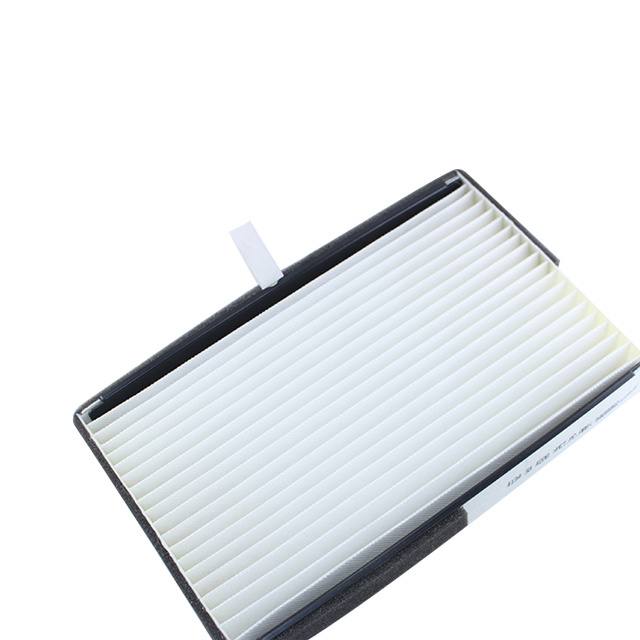
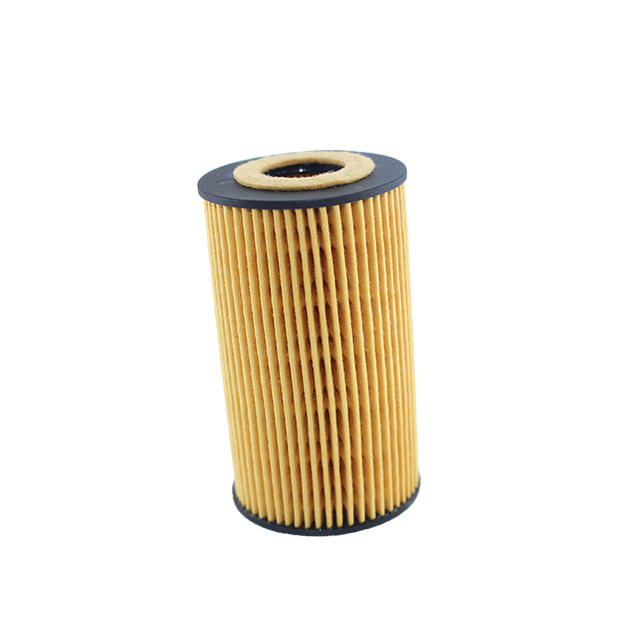
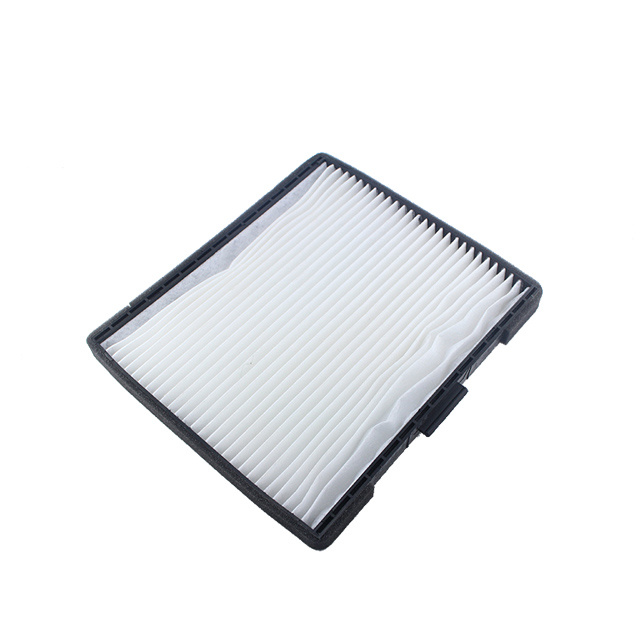
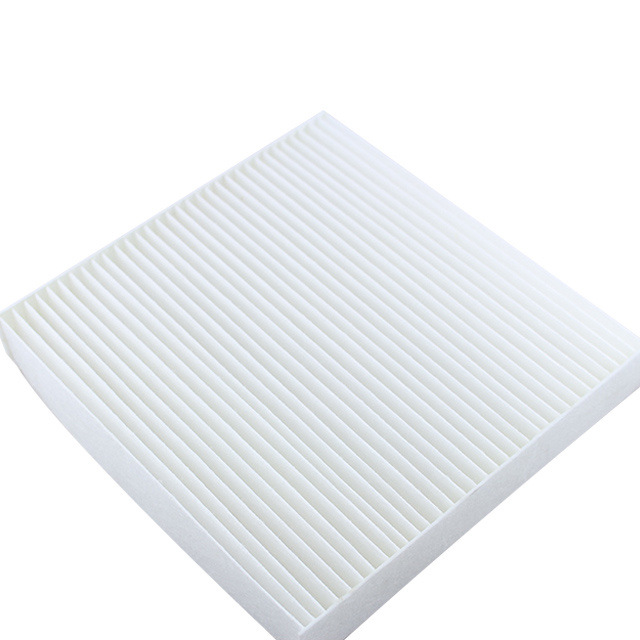
Contact Info
E-mail: txgs@taixifilter.com
Manager Xu: +86-15097925576
Manager Feng: +86-15803195413
Address: North side of Caiyuan Village, Gexianzhuang Town, Qinghe County, Xingtai City, Hebei Province (No. 250)
The Link Between Air Conditioning System Filters and Energy Consumption: Exploring the Impact and Benefits
Release Time:
Oct 26,2023
Table of Contents: 1. Introduction: Understanding the Importance of Air Conditioning System Filters 2. How Air Conditioning System Filters Work 3. The Impact of Air Conditioning System Filters on Energy Consumption 4. Benefits of Using High-Quality Air Conditioning System Filters 5. Key Factors to Consider When Choosing Air Conditioning System Filters 6. FAQs: Clearing Common Doubts and Questions
1. Introduction: Understanding the Importance of Air Conditioning System Filters
2. How Air Conditioning System Filters Work
3. The Impact of Air Conditioning System Filters on Energy Consumption
4. Benefits of Using High-Quality Air Conditioning System Filters
5. Key Factors to Consider When Choosing Air Conditioning System Filters
6. FAQs: Clearing Common Doubts and Questions on Air Conditioning System Filters
7. Conclusion: Embracing the Link Between Air Conditioning System Filters and Energy Consumption
1. Introduction: Understanding the Importance of Air Conditioning System Filters
Air conditioning systems play a vital role in maintaining a comfortable indoor environment, especially during scorching summers. However, did you know that the filters within these systems have a direct link to energy consumption? In this comprehensive guide, we will delve into the significance of air conditioning system filters and how they impact energy usage. By the end, you'll have a clear understanding of the benefits of using high-quality filters and how they can contribute to a greener, more efficient cooling experience.
2. How Air Conditioning System Filters Work
Before we delve into the link between air conditioning system filters and energy consumption, it's crucial to understand how these filters work. AC filters act as a barrier, capturing dust, allergens, and pollutants from the air passing through the system. When the air circulates through the filter, it traps these particles, preventing them from recirculating into the indoor environment. This process not only improves the quality of the air we breathe but also protects the air conditioning system from damage caused by dirt and debris accumulation.
3. The Impact of Air Conditioning System Filters on Energy Consumption
The efficiency of an air conditioning system is directly influenced by the quality and condition of its filters. Clogged or dirty filters restrict the airflow, making the system work harder to maintain the desired temperature. This increased workload translates to higher energy consumption and ultimately leads to higher electricity bills. By regularly cleaning or replacing air conditioning system filters, you can ensure optimal airflow and reduce energy consumption significantly.
4. Benefits of Using High-Quality Air Conditioning System Filters
Investing in high-quality air conditioning system filters brings numerous benefits that go beyond energy efficiency. Let's explore some of the advantages:
1. Improved Indoor Air Quality: High-quality filters effectively remove a wide range of pollutants, including dust, pollen, pet dander, and mold spores. This results in cleaner and healthier indoor air, reducing the risk of allergies and respiratory issues.
2. Extended Lifespan of the AC System: By preventing the accumulation of dirt and debris, high-quality filters contribute to the longevity of the air conditioning system. This means fewer repairs and replacements, saving you money in the long run.
3. Enhanced Cooling Performance: When the air conditioning system operates with clean filters, it can achieve optimal cooling performance. This translates to faster cooling and improved comfort levels in your space.
4. Cost Savings: While high-quality filters may have a slightly higher upfront cost, their energy-saving capabilities lead to long-term cost savings. By reducing energy consumption, you can expect lower electricity bills, making it a wise investment.
5. Key Factors to Consider When Choosing Air Conditioning System Filters
When selecting air conditioning system filters, keep the following factors in mind to maximize energy efficiency and overall performance:
1. Filter Efficiency Rating: Look for filters with a high Minimum Efficiency Reporting Value (MERV) rating. The higher the rating, the more effective the filter is at capturing pollutants.
2. Filter Type: Different filter types, such as fiberglass, pleated, or electrostatic filters, offer varying levels of filtration. Consider your specific needs, such as allergies or air quality concerns, when choosing the filter type.
3. Filter Size: Ensure the filter size matches the specifications provided by the manufacturer. Ill-fitting filters can lead to air leaks and reduced efficiency.
4. Maintenance Requirements: Understand the recommended maintenance schedule for your chosen filter type. Regular cleaning or replacement is essential to maintain optimal performance.
6. FAQs: Clearing Common Doubts and Questions on Air Conditioning System Filters
Q1: How often should I clean or replace my air conditioning system filters?
A1: It is generally recommended to clean or replace filters every one to three months, depending on factors like usage, air quality, and the type of filter being used.
Q2: Can I use any type of filter for my air conditioning system?
A2: It is crucial to use filters specifically designed for your air conditioning system to ensure proper fit and filtration efficiency. Consult the manufacturer's recommendations for the compatible filter types.
Q3: Are washable filters a good option for energy efficiency?
A3: While washable filters may seem cost-effective, they often have lower filtration efficiency compared to disposable filters. Their reuse also requires thorough cleaning, which can be time-consuming.
Q4: Can using high-efficiency filters impact the airflow in my air conditioning system?
A4: High-efficiency filters may somewhat restrict airflow due to their superior filtration capabilities. However, it's crucial to strike a balance between filtration efficiency and proper airflow to ensure optimum system performance.
Q5: Can I clean and reuse disposable filters?
A5: Disposable filters are designed for single-use and are not intended to be cleaned and reused. Attempting to clean them may compromise their filtration efficiency and reduce their lifespan.
7. Conclusion: Embracing the Link Between Air Conditioning System Filters and Energy Consumption
In conclusion, air conditioning system filters play a crucial role in regulating energy consumption and improving indoor air quality. By choosing high-quality filters and maintaining them regularly, you can optimize your AC system's efficiency, reduce energy consumption, and enjoy a healthier living environment. Take the necessary steps to select the right filters for your system, and reap the benefits of lower energy bills, increased comfort, and a more sustainable future.
Key words:

* Please Enter Keywords
The company is mainly engaged in the manufacture and sale of auto parts and accessories in the automobile manufacturing industry, the manufacture and sale of automobile rubber products, and the import and export of auto parts.