

 Esperanto
 Shqiptare
 Euskara
 Zulu
Zulu
 Latinus
 Cymraeg
 தமிழ்
தமிழ்
 Slovak
 Slovak
 Afrikaans
Focus On Hot Spots
Contact Info
E-mail: txgs@taixifilter.com
Manager Xu: +86-15097925576
Manager Feng: +86-15803195413
Address: North side of Caiyuan Village, Gexianzhuang Town, Qinghe County, Xingtai City, Hebei Province (No. 250)
Understanding the Components of Air Conditioning System Filters
Release Time:
Oct 26,2023
Introduction: Air conditioning systems play a crucial role in maintaining comfortable and healthy indoor environments. The effectiveness of these systems heavily relies on the components within, particularly the filters. In this article, we will delve into the different components of air conditioning system filters and their significance in the industrial equipment and components industry. 1. Filt
Air conditioning systems play a crucial role in maintaining comfortable and healthy indoor environments. The effectiveness of these systems heavily relies on the components within, particularly the filters. In this article, we will delve into the different components of air conditioning system filters and their significance in the industrial equipment and components industry.
1. Filter Types:
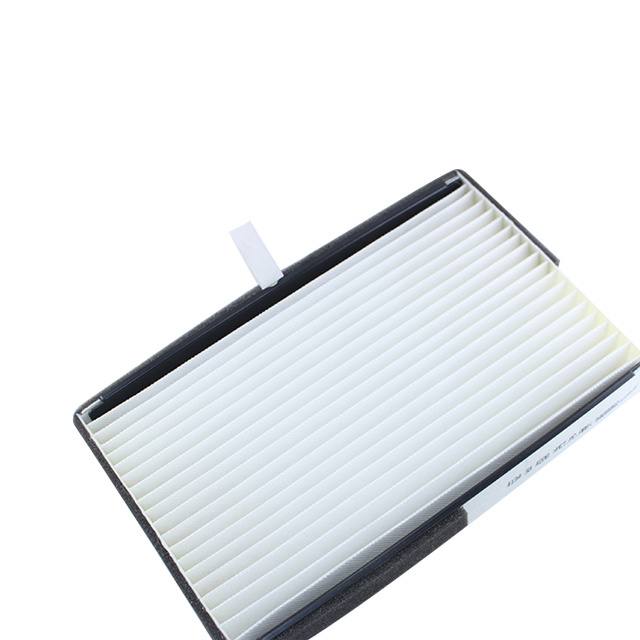
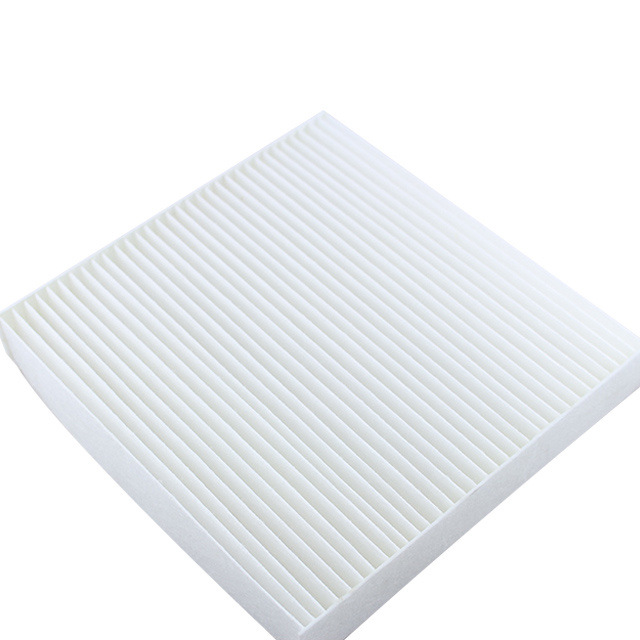
Air conditioning system filters are available in various types, each designed to address specific filtration needs. Common filter types include pleated filters, electrostatic filters, activated carbon filters, and HEPA filters. These filters employ different mechanisms to capture and remove airborne particles, allergens, and pollutants from the air.
2. Frame and Housing:
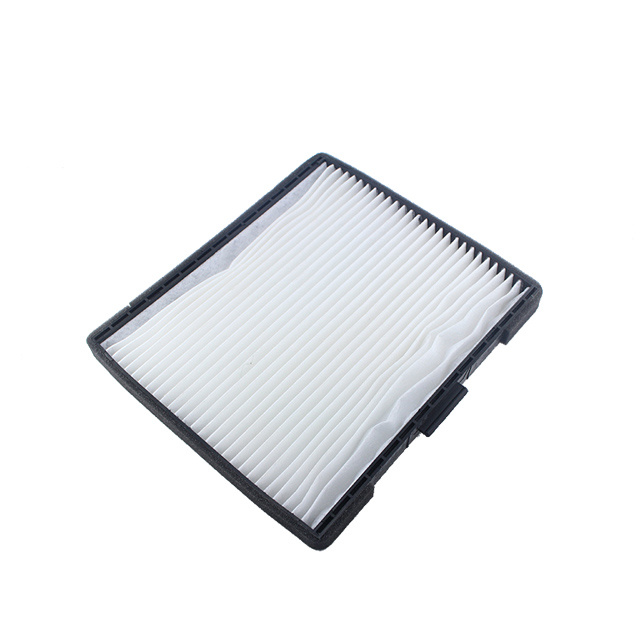
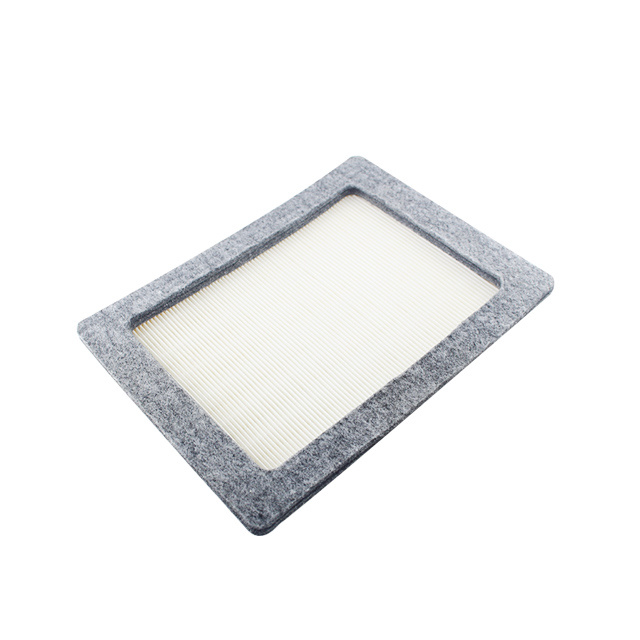
The frame and housing of air conditioning system filters provide structural integrity and support for the filtration media. Typically made from durable materials like galvanized steel or plastic, these components ensure proper installation and secure fit within the HVAC system. The design of the frame and housing allows for easy replacement and maintenance.
3. Filtration Media:
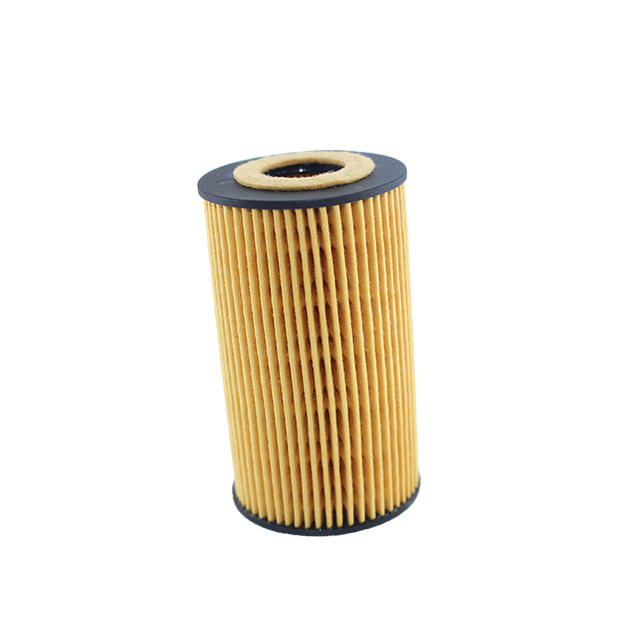
The filtration media is the heart of air conditioning system filters. It is responsible for capturing and trapping contaminants present in the air. Different types of filtration media offer varying levels of filtration efficiency and particle capture capabilities. Common filtration media include fiberglass, synthetic fibers, activated carbon, and micro-glass fibers. The choice of filtration media depends on the specific air quality requirements and the target pollutants to be removed.
4. Pleats and Surface Area:
Pleats significantly increase the surface area of air conditioning system filters, maximizing their filtration capacity. Pleated filters provide a larger media area for particles to adhere to, allowing for improved efficiency and prolonged filter life. The design and arrangement of pleats in filters play a vital role in reducing pressure drop and maintaining optimal airflow within the system.
5. Gaskets and Seals:
Gaskets and seals ensure a proper seal between the filter and the surrounding components in the air conditioning system. These components prevent air bypass, ensuring that the air passes through the filter media, effectively capturing contaminants. Gaskets and seals also aid in reducing leakage and maintaining system integrity.
Conclusion:
Understanding the components of air conditioning system filters is essential for professionals in the industrial equipment and components - filtration equipment - filter industry. By familiarizing oneself with the various filter types, frames and housing, filtration media, pleats, and gaskets and seals, one can make informed decisions regarding air filtration systems. Remember, the right filter components contribute to improved indoor air quality and system performance while maintaining a comfortable and healthy environment.
Key words:

* Please Enter Keywords
The company is mainly engaged in the manufacture and sale of auto parts and accessories in the automobile manufacturing industry, the manufacture and sale of automobile rubber products, and the import and export of auto parts.