

 Esperanto
 Shqiptare
 Euskara
 Zulu
Zulu
 Latinus
 Cymraeg
 தமிழ்
தமிழ்
 Slovak
 Slovak
 Afrikaans
Focus On Hot Spots
Contact Info
E-mail: txgs@taixifilter.com
Manager Xu: +86-15097925576
Manager Feng: +86-15803195413
Address: North side of Caiyuan Village, Gexianzhuang Town, Qinghe County, Xingtai City, Hebei Province (No. 250)
Everything You Need to Know about Air Conditioning System Filters Components
Release Time:
Oct 27,2023
Introduction: Air conditioning systems play a crucial role in maintaining optimal indoor air quality and temperature. The filters used in these systems are vital components that ensure clean and healthy air circulation. In this article, we will explore the key components of air conditioning system filters and their significance in the industrial equipment and components industry. 1. Filter Media:
Air conditioning systems play a crucial role in maintaining optimal indoor air quality and temperature. The filters used in these systems are vital components that ensure clean and healthy air circulation. In this article, we will explore the key components of air conditioning system filters and their significance in the industrial equipment and components industry.
1. Filter Media:
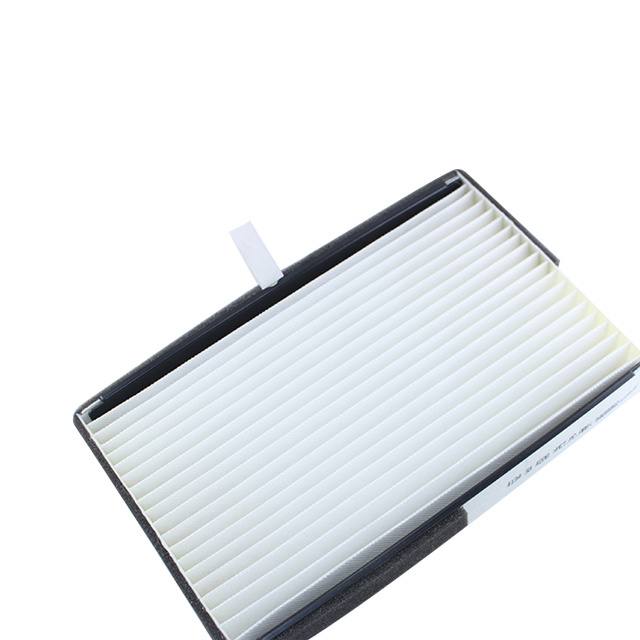
Filter media is the primary material that traps and removes contaminants from the air. Common filter media include fiberglass, pleated paper, and synthetic materials like polyester and polypropylene. Each filter media type offers specific benefits, such as high dust-holding capacity, efficiency, and resistance to moisture or chemicals.
2. Frame:
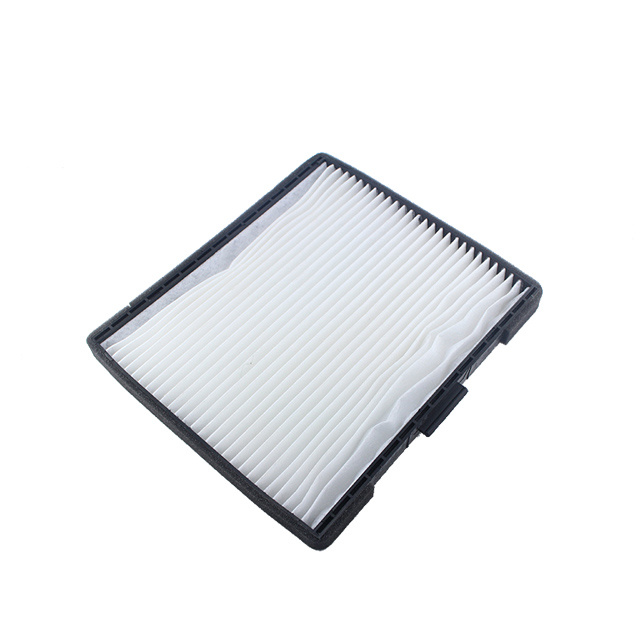
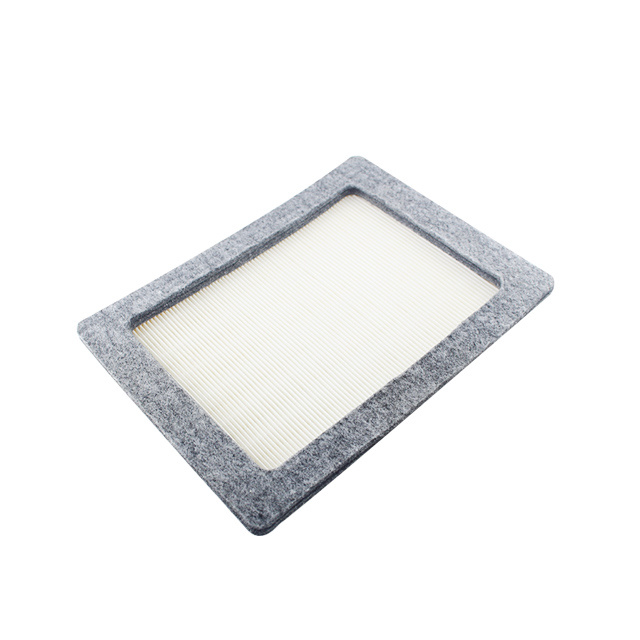
The filter frame provides structural support and maintains the shape of the filter. It is typically made of materials like cardboard, metal, or plastic. The frame ensures a tight fit within the air conditioning system, preventing air leakage and bypass.
3. Gasket:
The gasket is a sealing material placed around the filter frame to ensure a proper seal with the filter housing. It prevents unfiltered air from bypassing the filter, ensuring that all air passes through the filter media, maximizing filtration efficiency.
4. Pleats:
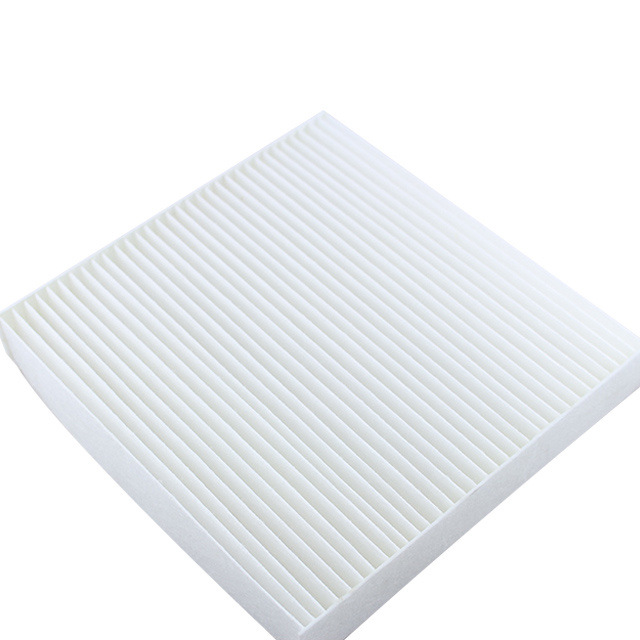
Pleats increase the surface area of the filter media, allowing for greater contaminant capture. Pleated filters are more efficient than flat filters as they offer a larger filtration area within a compact size. The pleat design also helps to prolong the filter's lifespan by reducing airflow resistance and preventing premature clogging.
5. Support Grid:
Some air conditioning filters incorporate a support grid to enhance durability and stability. The grid, typically made of metal or plastic, prevents the filter media from sagging or collapsing under the air pressure. It ensures consistent airflow and maintains the integrity of the filter throughout its usage.
6. Filter Classifications:
Air conditioning system filters are classified based on their efficiency in removing various particle sizes. The most common classifications are MERV (Minimum Efficiency Reporting Value) and HEPA (High-Efficiency Particulate Air) filters. MERV ratings range from 1 to 20, with higher numbers indicating higher filtration efficiency. HEPA filters, on the other hand, are extremely efficient and capable of removing particles as small as 0.3 microns.
Conclusion:
Understanding the components of air conditioning system filters is essential for professionals in the industrial equipment and components industry. From filter media to frames, pleats, gaskets, support grids, and classifications, each component plays a vital role in ensuring clean and healthy air circulation. By selecting the right filter components, industrial equipment and component manufacturers can optimize the performance of air conditioning systems and provide improved indoor air quality for various applications.
Key words:

* Please Enter Keywords
The company is mainly engaged in the manufacture and sale of auto parts and accessories in the automobile manufacturing industry, the manufacture and sale of automobile rubber products, and the import and export of auto parts.