

 Esperanto
 Shqiptare
 Euskara
 Zulu
Zulu
 Latinus
 Cymraeg
 தமிழ்
தமிழ்
 Slovak
 Slovak
 Afrikaans
Focus On Hot Spots
Contact Info
E-mail: txgs@taixifilter.com
Manager Xu: +86-15097925576
Manager Feng: +86-15803195413
Address: North side of Caiyuan Village, Gexianzhuang Town, Qinghe County, Xingtai City, Hebei Province (No. 250)
Choosing the Right House Air Conditioner and Filter for Optimal Performance
Release Time:
Oct 28,2023
Table of Contents 1. Introduction 2. Understanding the Importance of Choosing the Right House Air Conditioner 3. Factors to Consider when Selecting an Air Conditioner 3.1 Size and Cooling Capacity 3.2 Energy Efficiency Ratings 3.3 Noise Levels 3.4 Additional Features 4. Different Types of Air Conditioners 4.1 Central Air Conditioning Systems 4.2 Ductless Mini-Split Systems 4.3
1. Introduction
2. Understanding the Importance of Choosing the Right House Air Conditioner
3. Factors to Consider when Selecting an Air Conditioner
3.1 Size and Cooling Capacity
3.2 Energy Efficiency Ratings
3.3 Noise Levels
3.4 Additional Features
4. Different Types of Air Conditioners
4.1 Central Air Conditioning Systems
4.2 Ductless Mini-Split Systems
4.3 Window Air Conditioners
4.4 Portable Air Conditioners
5. Selecting the Ideal Air Filter for Your House
5.1 Types of Air Filters
5.2 MERV Ratings
5.3 Filtration Efficiency
6. Frequently Asked Questions (FAQs)
6.1 What size air conditioner do I need for my house?
6.2 Are ductless mini-split systems more energy-efficient than central air conditioners?
6.3 Can I install a window air conditioner by myself?
6.4 How often should I change my air filter?
6.5 Is a higher MERV rating always better?
7. Conclusion
Introduction
When it comes to creating a comfortable living environment, choosing the right house air conditioner and filter is vital. This comprehensive guide will help you understand the key factors to consider, different types of air conditioners available, and how to select the ideal air filter for optimal performance.
Understanding the Importance of Choosing the Right House Air Conditioner
The right air conditioner can significantly impact your comfort and energy bills. By investing in an appropriately sized and energy-efficient model, you can enjoy a cool and comfortable home while reducing your energy consumption.
Factors to Consider when Selecting an Air Conditioner
3.1 Size and Cooling Capacity
Choosing the right size air conditioner is crucial for efficient cooling. An undersized unit will struggle to cool your space adequately, while an oversized unit may cycle on and off frequently, wasting energy. Consider the square footage of the area you wish to cool and consult an HVAC professional to determine the appropriate cooling capacity.
3.2 Energy Efficiency Ratings
Look for air conditioners with high Seasonal Energy Efficiency Ratio (SEER) ratings. Higher SEER ratings indicate greater energy efficiency, which translates into lower energy costs. Opting for an Energy Star certified model can further ensure energy savings.
3.3 Noise Levels
Air conditioners can produce varying noise levels while operating. If noise is a concern, choose a unit with a low decibel rating. Manufacturers usually provide this information, allowing you to select a quieter option for your home.
3.4 Additional Features
Consider additional features that may enhance your comfort and convenience. These can include programmable thermostats, remote controls, sleep mode, and humidity control. Evaluate which features are essential for your specific needs.
Different Types of Air Conditioners
4.1 Central Air Conditioning Systems
Central air conditioning systems are a popular choice for whole-house cooling. They consist of an outdoor unit connected to ductwork that distributes cooled air throughout your home. This option provides consistent and even cooling, making it ideal for larger spaces.
4.2 Ductless Mini-Split Systems
Ductless mini-split systems offer flexibility and individual room control. They consist of an outdoor unit and indoor air handlers that are installed in each room. This option is energy-efficient and allows you to customize the temperature in different areas of your house.
4.3 Window Air Conditioners
Window air conditioners are a convenient and affordable option for cooling individual rooms. These units are installed in windows or through a wall and provide direct cooling to the immediate area. They are suitable for smaller spaces or for those who require cooling in specific rooms.
4.4 Portable Air Conditioners
Portable air conditioners are versatile units that can be moved from room to room. They require an exhaust hose to vent hot air outside through a window or vent. These units are ideal for renters or for temporary cooling solutions.
Selecting the Ideal Air Filter for Your House
5.1 Types of Air Filters
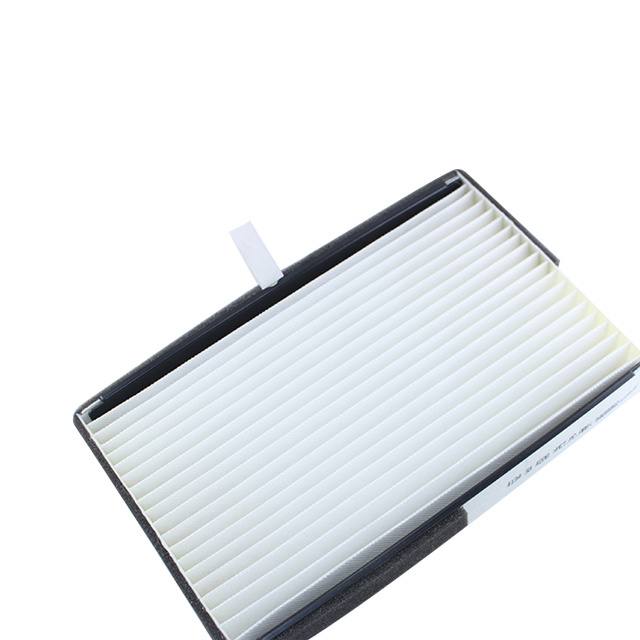
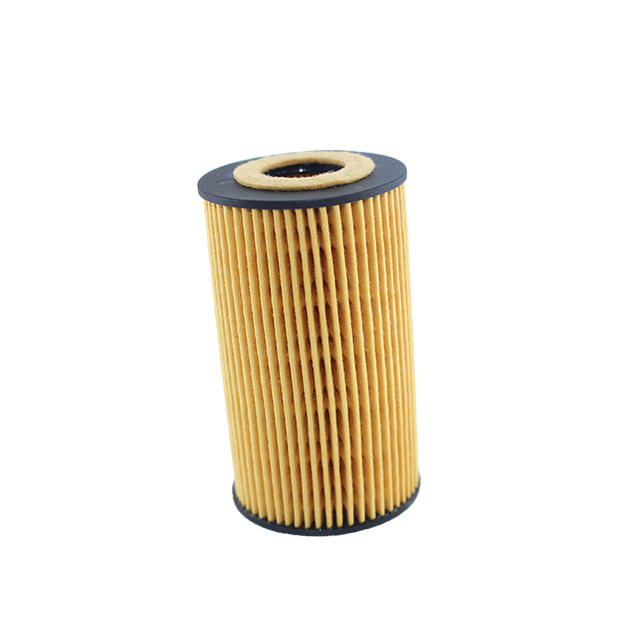
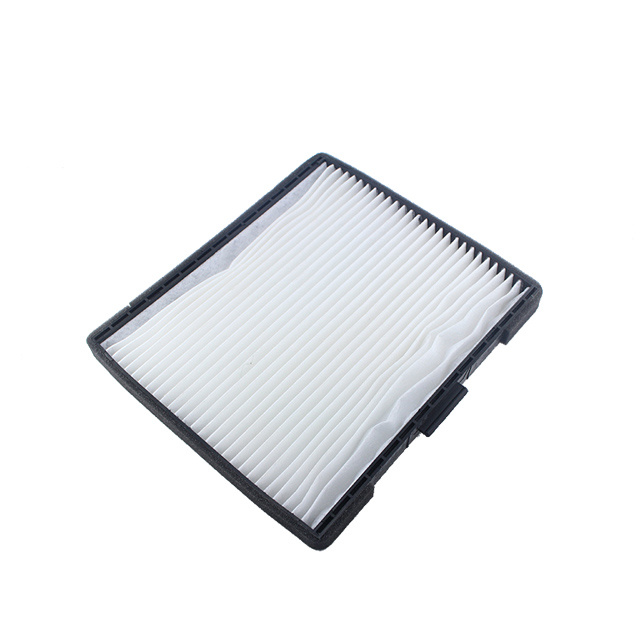
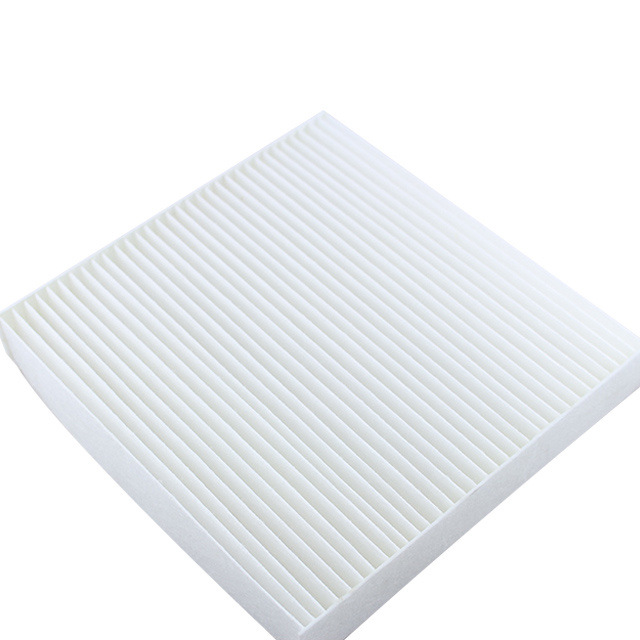
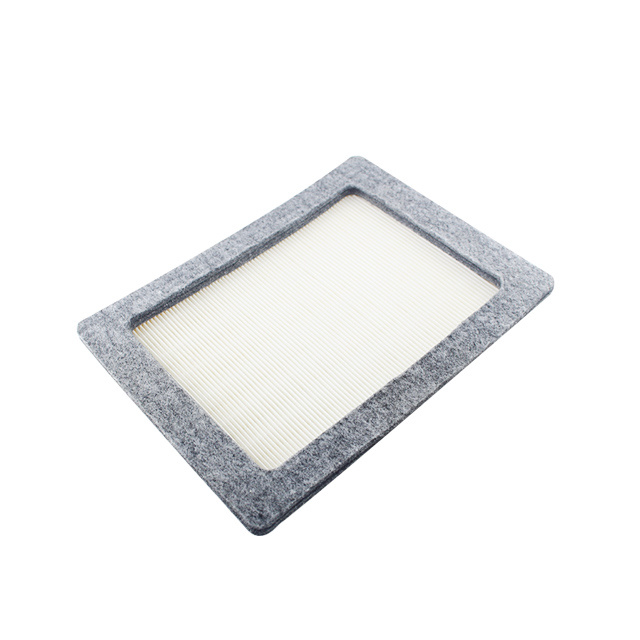
There are various types of air filters available, including fiberglass filters, pleated filters, electrostatic filters, and HEPA filters. Each type offers different filtration capabilities, and your choice should depend on your specific needs and the air quality in your area.
5.2 MERV Ratings
Minimum Efficiency Reporting Value (MERV) ratings indicate a filter's efficiency in removing particles from the air. Higher MERV ratings mean finer filtration, capturing smaller particles. However, it's essential to strike a balance between filtration efficiency and airflow to avoid straining your HVAC system.
5.3 Filtration Efficiency
Consider the specific pollutants you want to filter out, such as dust, pollen, pet dander, or mold spores. Different filters are designed to target specific contaminants, so select the one that best suits your requirements.
Frequently Asked Questions (FAQs)
6.1 What size air conditioner do I need for my house?
Determining the right size air conditioner involves considering factors such as the square footage of your home, insulation, ceiling height, and climate. Consulting an HVAC professional can help you determine the appropriate cooling capacity for your specific needs.
6.2 Are ductless mini-split systems more energy-efficient than central air conditioners?
Ductless mini-split systems are generally more energy-efficient than central air conditioners. They allow for zoned cooling, enabling you to cool specific areas as needed without wasting energy on unoccupied rooms.
6.3 Can I install a window air conditioner by myself?
Many window air conditioners can be installed by homeowners, especially if you have basic DIY skills. However, it is essential to follow the manufacturer's instructions carefully and ensure a proper seal to prevent air leakage.
6.4 How often should I change my air filter?
The frequency of air filter changes depends on various factors, including the filter type, air quality, and system usage. As a general guideline, it is recommended to replace disposable filters every one to three months and clean or replace washable filters every three to six months.
6.5 Is a higher MERV rating always better?
While higher MERV ratings indicate improved filtration efficiency, they can also restrict airflow if not compatible with your HVAC system. It is important to find the right balance between filtration quality and system performance to ensure optimal air circulation.
Conclusion
Choosing the right house air conditioner and filter is crucial for achieving optimal performance and creating a comfortable living environment. By considering factors such as size, energy efficiency, noise levels, and air filter types, you can make an informed decision that meets your specific needs. Take the time to research and consult professionals to ensure you select the best options for optimal cooling and air quality in your home.
Key words:

* Please Enter Keywords
The company is mainly engaged in the manufacture and sale of auto parts and accessories in the automobile manufacturing industry, the manufacture and sale of automobile rubber products, and the import and export of auto parts.