

 Esperanto
 Shqiptare
 Euskara
 Zulu
Zulu
 Latinus
 Cymraeg
 தமிழ்
தமிழ்
 Slovak
 Slovak
 Afrikaans
Focus On Hot Spots

Contact Info
E-mail: txgs@taixifilter.com
Manager Xu: +86-15097925576
Manager Feng: +86-15803195413
Address: North side of Caiyuan Village, Gexianzhuang Town, Qinghe County, Xingtai City, Hebei Province (No. 250)
How to Choose the Right Car Oil Filter for Home Use
Release Time:
Oct 29,2023
Table of Contents: 1. Introduction: The Importance of Choosing the Right Car Oil Filter 2. Understanding Car Oil Filters: What They Do and Why They Are Important 3. Factors to Consider When Choosing a Car Oil Filter a. Compatibility with Your Vehicle b. Filtration Efficiency c. Filter Material d. Size and Fitment e. Brand Reputation and Quality 4. Types of Car Oil Filters a. Conv
1. Introduction: The Importance of Choosing the Right Car Oil Filter
2. Understanding Car Oil Filters: What They Do and Why They Are Important
3. Factors to Consider When Choosing a Car Oil Filter
a. Compatibility with Your Vehicle
b. Filtration Efficiency
c. Filter Material
d. Size and Fitment
e. Brand Reputation and Quality
4. Types of Car Oil Filters
a. Conventional/Standard Filters
b. High-Mileage Filters
c. Synthetic Filters
d. Extended-Life Filters
5. DIY vs. Professional Installation: Which Option is Best?
6. Frequently Asked Questions (FAQs)
a. Can I reuse a car oil filter?
b. How often should I change my car oil filter?
c. Can I use a different brand of oil filter than what the manufacturer recommends?
d. Are expensive oil filters better than cheaper ones?
e. Can I install a larger oil filter for improved performance?
7. Conclusion: Choosing the Perfect Car Oil Filter for Home Use
1. Introduction: The Importance of Choosing the Right Car Oil Filter
Choosing the right car oil filter for your vehicle is crucial for maintaining its overall health and performance. The oil filter plays a vital role in keeping the engine clean by removing harmful contaminants from the lubricating oil. Neglecting to use the correct oil filter can result in reduced engine efficiency, increased wear and tear, and even engine damage over time. In this article, we will guide you through the process of selecting the ideal car oil filter for your home use.
2. Understanding Car Oil Filters: What They Do and Why They Are Important
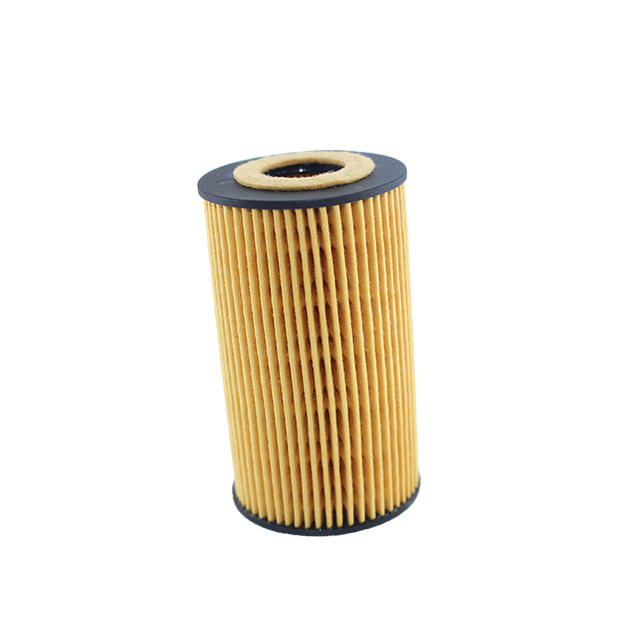
Car oil filters are designed to trap and remove impurities present in the engine oil, such as dirt, metal particles, and sludge. By doing so, they prevent these contaminants from circulating through the engine and causing damage. Additionally, oil filters help maintain the oil's viscosity, ensuring it flows smoothly and provides optimal lubrication to engine components.
3. Factors to Consider When Choosing a Car Oil Filter
a. Compatibility with Your Vehicle
Before purchasing an oil filter, it is essential to ensure compatibility with your specific vehicle make and model. Manufacturers provide compatibility information, and you can also refer to your vehicle's owner's manual for guidance. Using a filter that is not compatible may lead to leaks or inadequate filtration.
b. Filtration Efficiency
The filtration efficiency of an oil filter determines its ability to remove contaminants from the oil. Look for filters with high-efficiency ratings, typically measured by the filter's micron rating. A lower micron rating indicates better filtration, as it can capture smaller particles. Aim for a filter with a micron rating of 10 or lower for optimal performance.
c. Filter Material
Oil filters are constructed using different types of filter media, including cellulose, synthetic, and a combination of both. Each material has its pros and cons. Cellulose filters are affordable and effective for capturing larger particles, while synthetic filters offer better filtration efficiency and durability. Consider your budget and filtration requirements when choosing the filter material.
d. Size and Fitment
Proper fitment is crucial for the efficient functioning of an oil filter. Check the dimensions and specifications provided by the manufacturer to ensure the filter will fit your vehicle's engine properly. Using an ill-fitting filter can lead to oil leaks or inadequate filtration, compromising engine performance.
e. Brand Reputation and Quality
Opting for reputable brands known for their quality and reliability is always a wise choice when selecting an oil filter. Brands with a strong reputation typically invest in research and development, ensuring their filters meet industry standards and deliver excellent performance. Reading customer reviews and seeking recommendations can also help you gauge the quality of a particular brand.
4. Types of Car Oil Filters
a. Conventional/Standard Filters
Conventional or standard oil filters are the most common type available. They provide reliable filtration for most vehicles and are often the economical choice. These filters are suitable for regular daily driving conditions and are typically recommended for vehicles that do not require specialized filters.
b. High-Mileage Filters
High-mileage filters are designed specifically for vehicles with higher mileage or older engines. These filters contain additives that help condition the oil, reducing wear and tear on aging engine components. If you have a vehicle with over 75,000 miles, opting for a high-mileage filter may provide additional benefits.
c. Synthetic Filters
Synthetic oil filters are constructed using synthetic filter media, offering superior filtration efficiency and durability compared to conventional filters. They are designed to handle harsh driving conditions, extreme temperatures, and extended oil change intervals. Synthetic filters are an excellent choice for performance vehicles or those operating in challenging environments.
d. Extended-Life Filters
Extended-life filters are designed to last longer between oil changes, reducing maintenance frequency. These filters typically have a higher capacity for holding contaminants and can handle extended oil change intervals. However, it is important to follow the manufacturer's recommendations regarding oil change intervals to ensure engine longevity.
5. DIY vs. Professional Installation: Which Option is Best?
Installing a car oil filter can be a straightforward task for those with basic automotive knowledge and tools. Many vehicle owners choose to perform oil and filter changes themselves to save money and have greater control over the process. However, if you are unsure or uncomfortable with performing this task, it is advisable to seek professional assistance from a qualified mechanic or technician. They have the expertise and tools necessary to ensure proper installation and minimize the risk of mistakes.
6. Frequently Asked Questions (FAQs)
a. Can I reuse a car oil filter?
It is not recommended to reuse oil filters. Over time, filters accumulate contaminants that can affect their efficiency. Always use a new filter when performing an oil change.
b. How often should I change my car oil filter?
It is generally recommended to change the oil filter every time you change the engine oil, which is typically between 3,000 to 5,000 miles. However, it is essential to refer to your vehicle's owner's manual for the manufacturer's specific recommendations.
c. Can I use a different brand of oil filter than what the manufacturer recommends?
While it is generally safe to use oil filters from reputable brands that meet or exceed the manufacturer's specifications, it is advisable to consult your vehicle's owner's manual for any brand-specific recommendations.
d. Are expensive oil filters better than cheaper ones?
Price alone does not determine the quality or performance of an oil filter. Reputable brands offer filters at various price points, and it is important to consider factors such as filtration efficiency, compatibility, and brand reputation when making a decision.
e. Can I install a larger oil filter for improved performance?
Using a larger oil filter than what is recommended by the manufacturer can have unintended consequences, such as oil leaks or inadequate filtration. It is best to stick to the filter size specified for your vehicle.
7. Conclusion: Choosing the Perfect Car Oil Filter for Home Use
Selecting the right car oil filter for your home use is crucial for maintaining your vehicle's engine health and performance. Consider factors such as compatibility, filtration efficiency, filter material, and size when making your decision. Additionally, choose reputable brands known for their quality and reliability. Whether you opt for a conventional, high-mileage, synthetic, or extended-life filter, proper installation and regular maintenance are essential to ensure optimal engine performance and longevity.
Key words:

* Please Enter Keywords
The company is mainly engaged in the manufacture and sale of auto parts and accessories in the automobile manufacturing industry, the manufacture and sale of automobile rubber products, and the import and export of auto parts.