

 Esperanto
 Shqiptare
 Euskara
 Zulu
Zulu
 Latinus
 Cymraeg
 தமிழ்
தமிழ்
 Slovak
 Slovak
 Afrikaans
Focus On Hot Spots
Contact Info
E-mail: txgs@taixifilter.com
Manager Xu: +86-15097925576
Manager Feng: +86-15803195413
Address: North side of Caiyuan Village, Gexianzhuang Town, Qinghe County, Xingtai City, Hebei Province (No. 250)
Understanding the Different Types of Air Conditioning System Filters: A Comprehensive Guide for Clean and Healthy Indoor Air
Release Time:
Oct 31,2023
Table of Contents 1. Introduction: The Importance of Air Conditioning System Filters 2. Understanding the Different Types of Air Conditioning System Filters 2.1 Fiberglass Filters 2.2 Pleated Filters 2.3 Electrostatic Filters 2.4 HEPA Filters 2.5 Activated Carbon Filters 2.6 UV Filters 2.7 Washable Filters 2.8 Electronic Air Filters 3. Choosing the Right Filter for Your Nee
1. Introduction: The Importance of Air Conditioning System Filters
2. Understanding the Different Types of Air Conditioning System Filters
2.1 Fiberglass Filters
2.2 Pleated Filters
2.3 Electrostatic Filters
2.4 HEPA Filters
2.5 Activated Carbon Filters
2.6 UV Filters
2.7 Washable Filters
2.8 Electronic Air Filters
3. Choosing the Right Filter for Your Needs
4. Frequently Asked Questions (FAQs)
4.1 What is the purpose of an air conditioning system filter?
4.2 How often should air conditioning system filters be replaced?
4.3 Can I clean and reuse air conditioning system filters?
4.4 Do air conditioning system filters eliminate all pollutants?
4.5 How do I know which filter size to choose?
5. Conclusion
1. Introduction: The Importance of Air Conditioning System Filters
Having clean and fresh indoor air is vital for your health and well-being. Air conditioning system filters play a crucial role in maintaining good indoor air quality by trapping dust, allergens, and other airborne particles. They help remove pollutants and prevent them from circulating in your living or working space. Understanding the different types of air conditioning system filters available on the market will empower you to make an informed decision when choosing the right filter for your needs.
2. Understanding the Different Types of Air Conditioning System Filters
2.1 Fiberglass Filters
Fiberglass filters are the most basic type of air conditioning system filters. They are inexpensive and offer minimal filtration efficiency. These filters are made of layered fiberglass fibers, which catch larger particles but are not effective in capturing smaller allergens or contaminants.
2.2 Pleated Filters
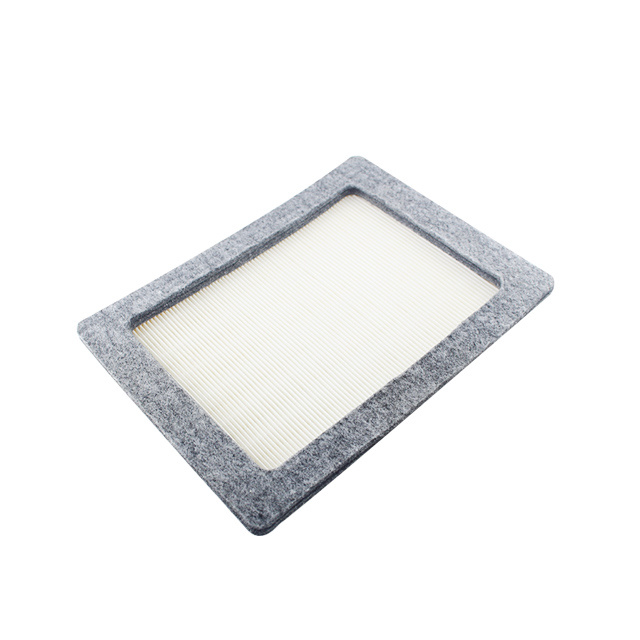
Pleated filters are an upgrade from fiberglass filters. They consist of multiple layers of pleated material, increasing the surface area for better filtration. These filters are more effective in trapping dust, pollen, and pet dander. Pleated filters come in various filtration ratings, allowing you to choose the level of filtration suitable for your needs.
2.3 Electrostatic Filters
Electrostatic filters use static electricity to attract and capture airborne particles. They are available in both disposable and washable options. These filters are efficient in removing allergens, dust, and mold spores. However, they may produce ozone as a byproduct, which could be a concern for individuals with respiratory conditions.
2.4 HEPA Filters
HEPA (High-Efficiency Particulate Air) filters are among the most effective filters for air purification. These filters can remove up to 99.97% of particles as small as 0.3 microns. HEPA filters are ideal for individuals with allergies or asthma, as they can trap pollen, pet dander, mold spores, and even some bacteria and viruses.
2.5 Activated Carbon Filters
Activated carbon filters are designed to remove odors, gases, and chemicals from the air. They contain a bed of activated carbon that absorbs and adsorbs contaminants. These filters are often used in conjunction with other filters to enhance overall air quality.
2.6 UV Filters
UV filters utilize ultraviolet light to kill bacteria, viruses, and mold spores. They are typically installed within the air conditioning system to sterilize the air passing through. UV filters are effective in reducing the spread of airborne diseases and improving indoor air quality.
2.7 Washable Filters
Washable filters, as the name suggests, can be washed and reused multiple times. They are often made of foam or mesh material. Washable filters are cost-effective and environmentally friendly, but they may not provide the same level of filtration as other types of filters.
2.8 Electronic Air Filters
Electronic air filters use electrical charges to attract and capture particles. These filters are highly efficient in removing small allergens, such as pollen and pet dander. They require regular maintenance and cleaning to ensure optimal performance.
3. Choosing the Right Filter for Your Needs
Selecting the right air conditioning system filter depends on several factors, including your specific indoor air quality requirements, budget, and HVAC system compatibility. Consider the level of filtration needed, the size of the filter, and any additional features that may enhance air purification. Consulting with a professional HVAC technician can help you make an informed decision.
4. Frequently Asked Questions (FAQs)
4.1 What is the purpose of an air conditioning system filter?
Air conditioning system filters are designed to trap and remove airborne particles, such as dust, pollen, mold spores, and pet dander. They improve indoor air quality by preventing these contaminants from circulating in your living or working space.
4.2 How often should air conditioning system filters be replaced?
The frequency of filter replacements depends on various factors, including the type of filter, the level of air pollution, and the manufacturer's recommendations. As a general guideline, disposable filters should be replaced every 1-3 months, while washable filters should be cleaned and reused according to the manufacturer's instructions.
4.3 Can I clean and reuse air conditioning system filters?
Some air conditioning system filters, such as washable filters, can be cleaned and reused. However, disposable filters are designed for one-time use and should be replaced when they become dirty or clogged.
4.4 Do air conditioning system filters eliminate all pollutants?
While air conditioning system filters can remove a significant amount of pollutants, they may not eliminate all contaminants. For comprehensive air purification, additional measures like air purifiers or ventilation systems may be necessary.
4.5 How do I know which filter size to choose?
Refer to your HVAC system's user manual or consult with an HVAC technician to determine the appropriate filter size for your specific system. Using the wrong filter size can lead to reduced efficiency and potential damage to your HVAC system.
5. Conclusion
Understanding the different types of air conditioning system filters is essential for maintaining clean and healthy indoor air. From basic fiberglass filters to advanced HEPA filters, each filter type offers unique benefits in improving indoor air quality. By choosing the right filter for your needs and regularly replacing or cleaning it, you can create a comfortable environment free from airborne pollutants. Take control of your indoor air quality today and enjoy a healthier living or working space.
Key words:

* Please Enter Keywords
The company is mainly engaged in the manufacture and sale of auto parts and accessories in the automobile manufacturing industry, the manufacture and sale of automobile rubber products, and the import and export of auto parts.