

 Esperanto
 Shqiptare
 Euskara
 Zulu
Zulu
 Latinus
 Cymraeg
 தமிழ்
தமிழ்
 Slovak
 Slovak
 Afrikaans
Focus On Hot Spots
Contact Info
E-mail: txgs@taixifilter.com
Manager Xu: +86-15097925576
Manager Feng: +86-15803195413
Address: North side of Caiyuan Village, Gexianzhuang Town, Qinghe County, Xingtai City, Hebei Province (No. 250)
A Comprehensive Guide to Understanding Industrial Air Conditioner Filters
Release Time:
Nov 02,2023
Table of Contents: 1. Introduction to Industrial Air Conditioner Filters 2. How Do Industrial Air Conditioner Filters Work? 3. The Importance of Industrial Air Conditioner Filters 4. Types of Industrial Air Conditioner Filters 4.1 Fiberglass Filters 4.2 Pleated Filters 4.3 Electrostatic Filters 4.4 HEPA Filters 4.5 Activated Carbon Filters 4.6 Washable Filters 5. Factors to Consi
1. Introduction to Industrial Air Conditioner Filters
2. How Do Industrial Air Conditioner Filters Work?
3. The Importance of Industrial Air Conditioner Filters
4. Types of Industrial Air Conditioner Filters
4.1 Fiberglass Filters
4.2 Pleated Filters
4.3 Electrostatic Filters
4.4 HEPA Filters
4.5 Activated Carbon Filters
4.6 Washable Filters
5. Factors to Consider When Choosing Industrial Air Conditioner Filters
5.1 Air Quality Requirements
5.2 System Compatibility
5.3 Filter Efficiency
5.4 Filter Lifespan
5.5 Maintenance Requirements
6. Benefits of Using High-Quality Industrial Air Conditioner Filters
6.1 Improved Air Quality
6.2 Energy Efficiency
6.3 Equipment Protection
6.4 Cost Savings
6.5 Environmental Impact
7. Frequently Asked Questions (FAQs)
7.1 What is the recommended filter replacement frequency for industrial air conditioners?
7.2 Can industrial air conditioner filters remove harmful gases and odors?
7.3 Are electrostatic filters more effective than pleated filters?
7.4 Can I clean and reuse washable filters?
7.5 How often should I schedule maintenance for industrial air conditioner filters?
8. Conclusion
1. Introduction to Industrial Air Conditioner Filters
Industrial air conditioner filters play a crucial role in maintaining clean and healthy air quality within industrial environments. These filters are designed to capture and remove airborne particles, allergens, and pollutants, ensuring that the air circulating through the HVAC system is clean and free from contaminants. By understanding how these filters work and their importance, you can make informed decisions about selecting and maintaining them.
2. How Do Industrial Air Conditioner Filters Work?
Industrial air conditioner filters operate on the principle of mechanical filtration. As air passes through the HVAC system, the filter captures particles of various sizes, preventing them from entering the space being conditioned. The filters consist of a porous material that allows air to flow while trapping contaminants. The efficiency of a filter is determined by its ability to remove particles of specific sizes, measured in microns.
3. The Importance of Industrial Air Conditioner Filters
Industrial air conditioner filters are essential for several reasons. Firstly, they help improve indoor air quality by removing contaminants, including dust, pollen, mold spores, and bacteria. Clean air is vital for the health and well-being of occupants, especially in industrial settings where there may be a higher concentration of pollutants. Additionally, these filters protect the HVAC system from damage caused by the buildup of debris, ensuring optimal performance and longevity.
4. Types of Industrial Air Conditioner Filters
There are several types of industrial air conditioner filters available, each with its own unique features and benefits. Understanding the characteristics of each filter type can help you choose the right one for your specific requirements.
4.1 Fiberglass Filters
Fiberglass filters are the most commonly used filters in industrial air conditioning systems. They are cost-effective, disposable filters that capture larger particles effectively. However, they have a lower efficiency rating compared to other filter types.
4.2 Pleated Filters
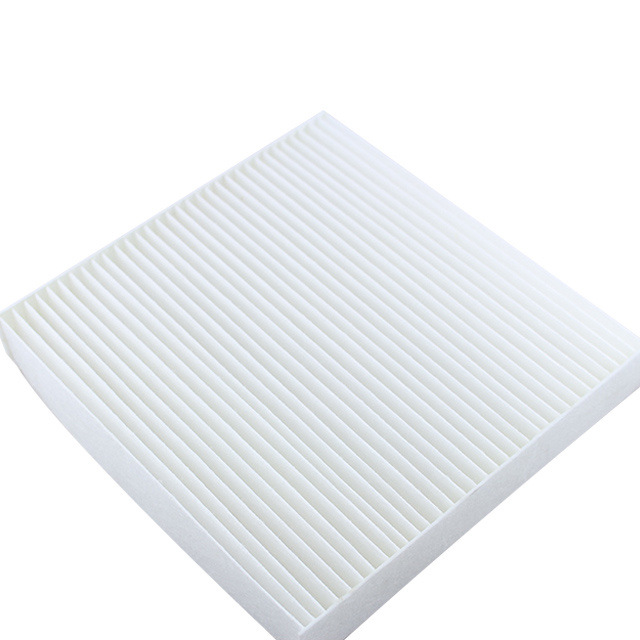
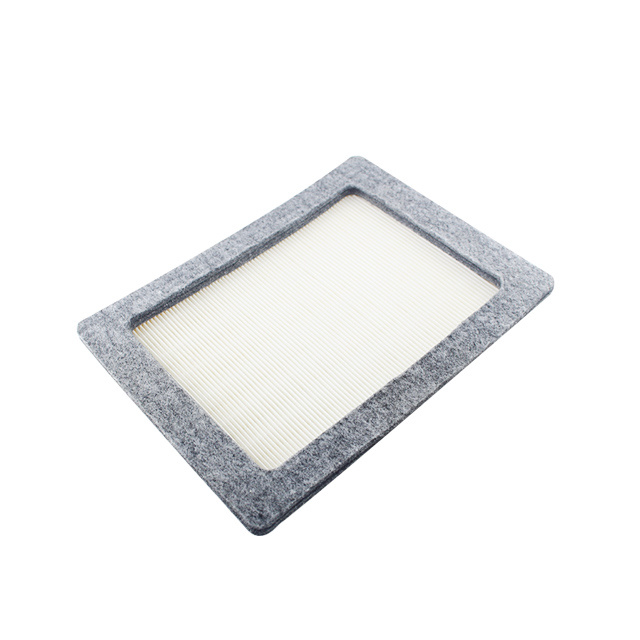
Pleated filters offer a larger surface area for capturing particles due to their accordion-like design. They have higher efficiency ratings and capture smaller particles compared to fiberglass filters. Pleated filters are recommended for applications where higher air quality is required.
4.3 Electrostatic Filters
Electrostatic filters use an electrostatic charge to attract and capture particles. They are highly efficient in removing smaller particles, including allergens and bacteria. However, regular cleaning is necessary to maintain their effectiveness.
4.4 HEPA Filters
HEPA (High-Efficiency Particulate Air) filters are the most efficient filters available. They can remove particles as small as 0.3 microns with an efficiency of 99.97%. HEPA filters are ideal for industrial settings that require the highest level of air purity, such as laboratories and cleanrooms.
4.5 Activated Carbon Filters
Activated carbon filters are designed to remove odors, gases, and volatile organic compounds (VOCs) from the air. They contain activated charcoal that adsorbs these contaminants, improving indoor air quality. These filters are often used in industrial facilities where chemical fumes or strong odors are present.
4.6 Washable Filters
Washable filters are reusable filters that can be cleaned and reused multiple times. They are environmentally friendly and offer cost savings over disposable filters. However, their efficiency may decrease over time, requiring periodic replacement.
5. Factors to Consider When Choosing Industrial Air Conditioner Filters
When selecting industrial air conditioner filters, several factors need to be considered to ensure optimal performance and air quality.
5.1 Air Quality Requirements
Identify the specific air quality requirements of your industrial facility. Consider the presence of pollutants, contaminants, allergens, and the desired level of air purity.
5.2 System Compatibility
Ensure that the selected filter is compatible with your HVAC system. Check the dimensions and specifications of the filter to ensure a proper fit.
5.3 Filter Efficiency
Determine the desired particle size efficiency of the filter based on your air quality requirements. Consider the industry standards and regulations that apply to your facility.
5.4 Filter Lifespan
Evaluate the expected lifespan of the filter and its replacement frequency. Longer filter lifespans can reduce maintenance costs and downtime.
5.5 Maintenance Requirements
Consider the maintenance requirements of the filter, including cleaning procedures and replacement intervals. Regular maintenance is essential to ensure filter effectiveness.
6. Benefits of Using High-Quality Industrial Air Conditioner Filters
Using high-quality industrial air conditioner filters offers several benefits for both occupants and the HVAC system.
6.1 Improved Air Quality
High-quality filters effectively remove contaminants from the air, resulting in improved indoor air quality. This is particularly important in industrial settings where pollutants may be present, protecting the health and well-being of occupants.
6.2 Energy Efficiency
Efficient filters allow the HVAC system to operate at peak performance by reducing airflow resistance. This results in energy savings and lower utility costs.
6.3 Equipment Protection
Filters prevent the buildup of debris, dust, and other particles on HVAC system components. By keeping the system clean, filters help extend the lifespan of equipment and reduce the need for costly repairs or replacements.
6.4 Cost Savings
Using the right filters can result in cost savings over time. Filters with longer lifespans and higher efficiencies reduce the frequency of replacements and minimize maintenance costs.
6.5 Environmental Impact
Selecting filters with washable or reusable options reduces waste generation and promotes sustainability. By choosing environmentally friendly filters, you contribute to reducing your facility's environmental impact.
7. Frequently Asked Questions (FAQs)
7.1 What is the recommended filter replacement frequency for industrial air conditioners?
The recommended filter replacement frequency depends on several factors, including the type of filter, the air quality requirements, and the level of contaminants present. Generally, filters should be replaced every 1 to 3 months, but this can vary depending on specific circumstances.
7.2 Can industrial air conditioner filters remove harmful gases and odors?
Certain types of industrial air conditioner filters, such as activated carbon filters, are designed to remove harmful gases and odors from the air. However, not all filters have this capability, so it's important to choose a filter specifically designed for this purpose if gas and odor removal is a concern.
7.3 Are electrostatic filters more effective than pleated filters?
Electrostatic filters and pleated filters both have their advantages. Electrostatic filters are highly effective in capturing smaller particles due to their electrostatic charge. Pleated filters, on the other hand, offer a larger surface area for capturing particles. The choice between the two depends on the specific air quality requirements of the industrial setting.
7.4 Can I clean and reuse washable filters?
Yes, washable filters can be cleaned and reused multiple times. However, their efficiency may decrease over time, so it's important to monitor their performance and replace them when necessary.
7.5 How often should I schedule maintenance for industrial air conditioner filters?
Regular maintenance for industrial air conditioner filters should be scheduled based on the manufacturer's recommendations and the specific conditions of the facility. Generally, maintenance should be performed at least twice a year, but more frequent inspections may be necessary depending on the level of contaminants and the filter type.
8. Conclusion
In conclusion, understanding industrial air conditioner filters is crucial for maintaining optimal air quality in industrial settings. By choosing the right filter type, considering air quality requirements, and following proper maintenance procedures, you can ensure clean and healthy air for occupants while protecting your HVAC system. Stay informed, stay proactive, and make the best choices for your facility's air filtration needs.
Key words:

* Please Enter Keywords
The company is mainly engaged in the manufacture and sale of auto parts and accessories in the automobile manufacturing industry, the manufacture and sale of automobile rubber products, and the import and export of auto parts.