

 Esperanto
 Shqiptare
 Euskara
 Zulu
Zulu
 Latinus
 Cymraeg
 தமிழ்
தமிழ்
 Slovak
 Slovak
 Afrikaans
Focus On Hot Spots

Contact Info
E-mail: txgs@taixifilter.com
Manager Xu: +86-15097925576
Manager Feng: +86-15803195413
Address: North side of Caiyuan Village, Gexianzhuang Town, Qinghe County, Xingtai City, Hebei Province (No. 250)
Air Conditioner and Filter: The Key to Efficient Industrial Equipment
Release Time:
Nov 03,2023
As a professional in the industrial equipment and components industry, you understand the critical role that air conditioner and filters play in ensuring optimal performance and longevity of various systems. In this article, we will delve into the significance of air conditioner and filters and explore their technical functionalities. Industrial equipment, especially those operating in harsh envir
Industrial equipment, especially those operating in harsh environments, are highly susceptible to dust, debris, and contaminants. The presence of these particles can compromise the efficiency and performance of the equipment, leading to frequent breakdowns and reduced productivity. This is where air conditioner and filters come into play.
An air conditioner is designed to regulate the temperature and humidity levels within an enclosed system. It ensures that the equipment operates under the ideal conditions, minimizing the risk of overheating and humidity-related damages. By maintaining a stable environment, the air conditioner enhances the efficiency and reliability of the equipment, ultimately extending its lifespan.
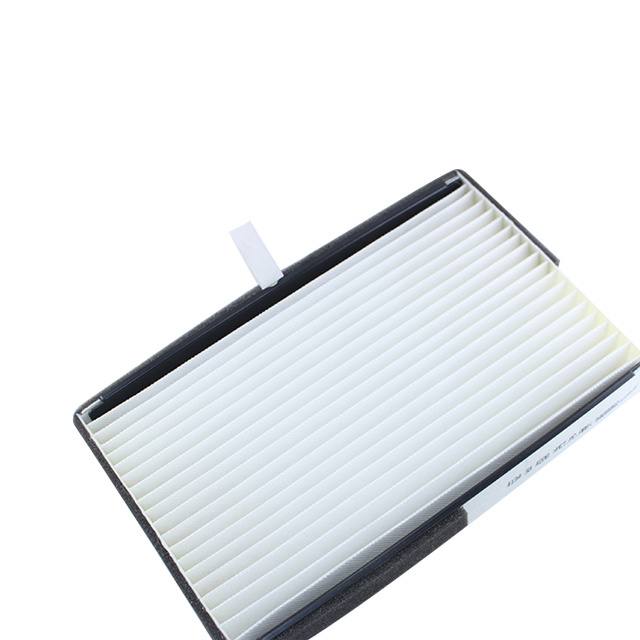
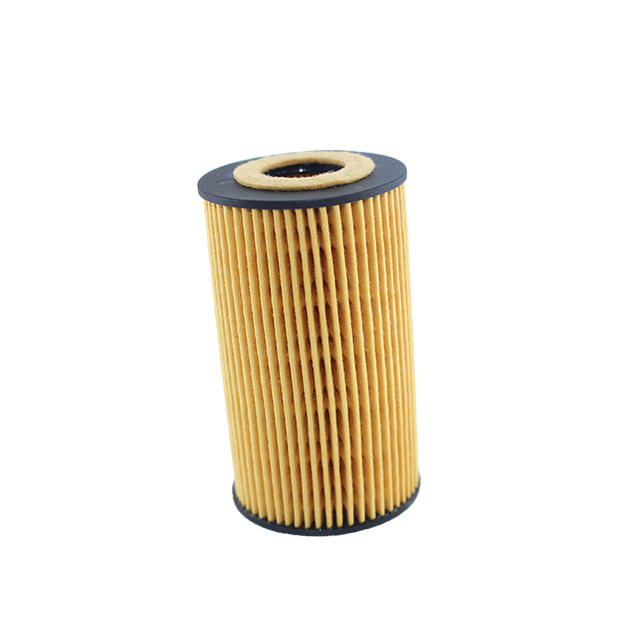
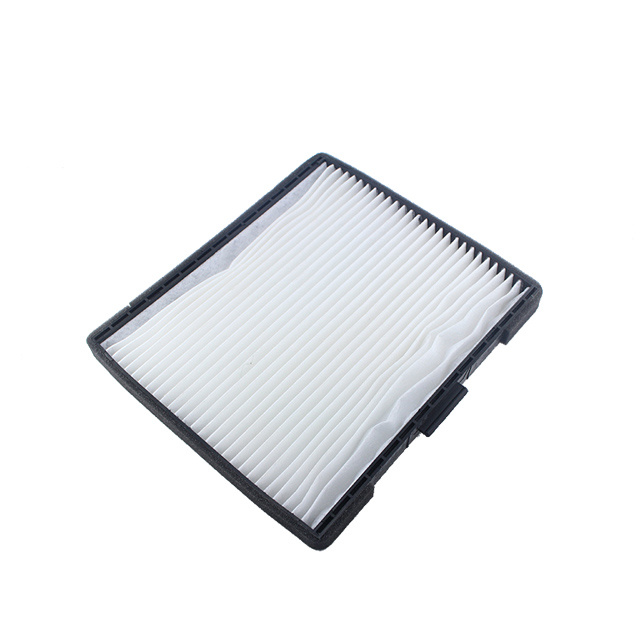
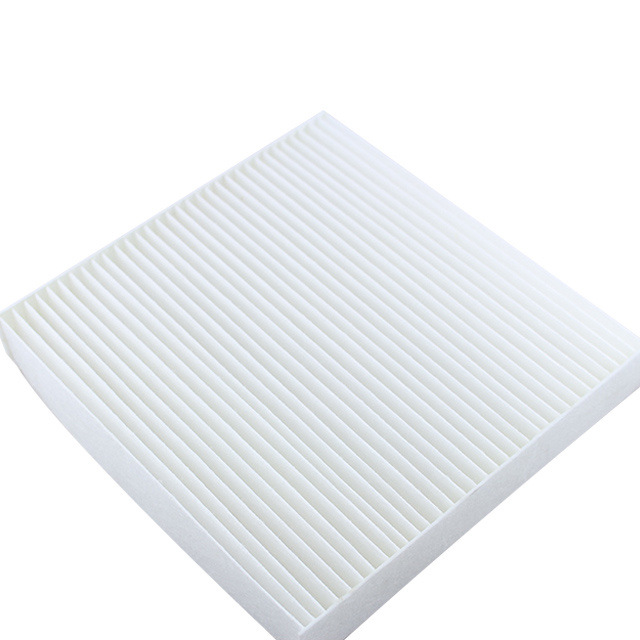
However, an air conditioner alone is not sufficient to protect the equipment from contaminants. This is where filters come in. Filters are integral components of the overall system, responsible for removing particles from the air that circulates within the equipment. They prevent debris, dust, and other contaminants from entering critical components, such as motors, pumps, and valves. By doing so, filters significantly reduce the risk of equipment malfunction and downtime.
Filters operate based on various principles, depending on the specific application and requirements. Some common filter types include mechanical filters, electrostatic filters, and activated carbon filters. Mechanical filters use physical barriers, such as mesh or fibrous materials, to trap particles. Electrostatic filters, on the other hand, utilize an electric charge to attract and capture particles. Activated carbon filters excel in removing odors and certain chemical compounds.
To ensure the filters' effectiveness and longevity, regular maintenance and replacements are crucial. The frequency of filter changes depends on factors such as the level of contaminants in the environment and the specific equipment requirements. Neglecting filter maintenance can lead to clogged filters, reduced airflow, and increased strain on the equipment, ultimately affecting its performance.
In conclusion, air conditioner and filters are vital components in industrial equipment and components, particularly in the realm of filtration devices. They work together to regulate temperature, control humidity, and remove contaminants, all of which contribute to improved efficiency, durability, and productivity. By understanding the technical aspects of these devices and prioritizing their maintenance, professionals in the industrial equipment industry can ensure optimal performance and extend the lifespan of their valuable assets.
Key words:

* Please Enter Keywords
The company is mainly engaged in the manufacture and sale of auto parts and accessories in the automobile manufacturing industry, the manufacture and sale of automobile rubber products, and the import and export of auto parts.