

 Esperanto
 Shqiptare
 Euskara
 Zulu
Zulu
 Latinus
 Cymraeg
 தமிழ்
தமிழ்
 Slovak
 Slovak
 Afrikaans
Focus On Hot Spots

Contact Info
E-mail: txgs@taixifilter.com
Manager Xu: +86-15097925576
Manager Feng: +86-15803195413
Address: North side of Caiyuan Village, Gexianzhuang Town, Qinghe County, Xingtai City, Hebei Province (No. 250)
The Basics of Oil Filters for Cars: What You Need to Know
Release Time:
Nov 08,2023
Introduction: In the realm of industrial equipment and components, oil filters play a crucial role in maintaining the efficiency and longevity of various machines. In the automotive sector, oil filters are particularly significant as they ensure the smooth operation of engines. In this article, we will delve into the basics of oil filters for cars, shedding light on their functions and significanc
In the realm of industrial equipment and components, oil filters play a crucial role in maintaining the efficiency and longevity of various machines. In the automotive sector, oil filters are particularly significant as they ensure the smooth operation of engines. In this article, we will delve into the basics of oil filters for cars, shedding light on their functions and significance.
1. What Is an Oil Filter?
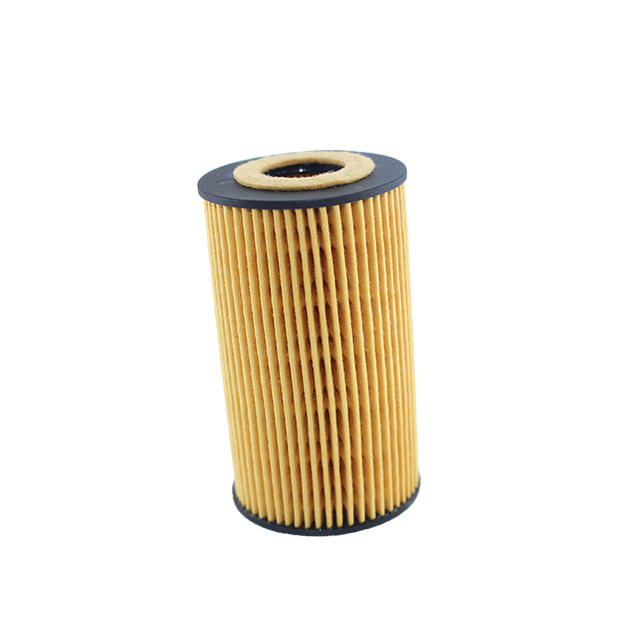
An oil filter is a vital component of a car's engine system. Its primary function is to remove impurities and contaminants from the engine oil, preventing them from circulating and causing damage. By capturing harmful particles, such as dirt, metal shavings, and sludge, the oil filter helps maintain clean oil throughout the engine.
2. Why Are Oil Filters Important?
Oil filters play a critical role in preserving engine performance and durability. They help prevent abrasive particles from damaging engine components, such as pistons, cylinders, and bearings. Additionally, oil filters ensure that the engine operates with clean oil, which is essential for lubrication and heat dissipation.
3. How Does an Oil Filter Work?
The oil filter is typically located near the engine's oil pump and is connected to the oil circulation system. As the engine runs, oil is drawn into the filter through an inlet. Inside the filter, a media element captures and retains impurities while allowing clean oil to pass through. The filtered oil then re-enters the engine, providing lubrication and cooling.
4. When Should You Replace an Oil Filter?
Regular oil filter replacement is crucial to maintain optimal engine performance. It is generally recommended to change the oil filter during every oil change, which is typically every 3,000 to 5,000 miles or as specified by the car manufacturer. However, in severe driving conditions or with synthetic oil, the interval may be longer. It is important to consult the car's manual or a professional for specific recommendations.
5. Choosing the Right Oil Filter:
When selecting an oil filter for your car, it is essential to consider factors such as compatibility, quality, and efficiency. Refer to your vehicle's manual or consult a professional to identify the correct filter size, thread type, and bypass valve specifications. Additionally, opt for reputable brands known for their high-quality filters.
Conclusion:
Oil filters are a crucial component in the automotive industry's industrial equipment and components sector. Understanding their importance, functions, and maintenance can help ensure the longevity and performance of your car's engine. By regularly replacing the oil filter and using high-quality filters, you can protect your vehicle's engine from harmful contaminants and enjoy a smoother driving experience.
Key words:

* Please Enter Keywords
The company is mainly engaged in the manufacture and sale of auto parts and accessories in the automobile manufacturing industry, the manufacture and sale of automobile rubber products, and the import and export of auto parts.