

 Esperanto
 Shqiptare
 Euskara
 Zulu
Zulu
 Latinus
 Cymraeg
 தமிழ்
தமிழ்
 Slovak
 Slovak
 Afrikaans
Focus On Hot Spots

Contact Info
E-mail: txgs@taixifilter.com
Manager Xu: +86-15097925576
Manager Feng: +86-15803195413
Address: North side of Caiyuan Village, Gexianzhuang Town, Qinghe County, Xingtai City, Hebei Province (No. 250)
Extend Your Car's Engine Life with a High-Quality Oil Filter
Release Time:
Nov 08,2023
Table of Contents: 1. Introduction 2. Understanding the Role of an Oil Filter 3. The Importance of a High-Quality Oil Filter 4. Benefits of Using a Reliable Oil Filter 5. Factors to Consider When Choosing an Oil Filter 6. How to Install an Oil Filter 7. Frequently Asked Questions (FAQs) 8. Conclusion 1. Introduction Welcome to our comprehensive guide on extending your car's engine life with a high
1. Introduction
2. Understanding the Role of an Oil Filter
3. The Importance of a High-Quality Oil Filter
4. Benefits of Using a Reliable Oil Filter
5. Factors to Consider When Choosing an Oil Filter
6. How to Install an Oil Filter
7. Frequently Asked Questions (FAQs)
8. Conclusion
1. Introduction
Welcome to our comprehensive guide on extending your car's engine life with a high-quality oil filter. In this article, we will explore the significance of using a reliable oil filter and how it can contribute to the longevity and performance of your vehicle's engine.
2. Understanding the Role of an Oil Filter
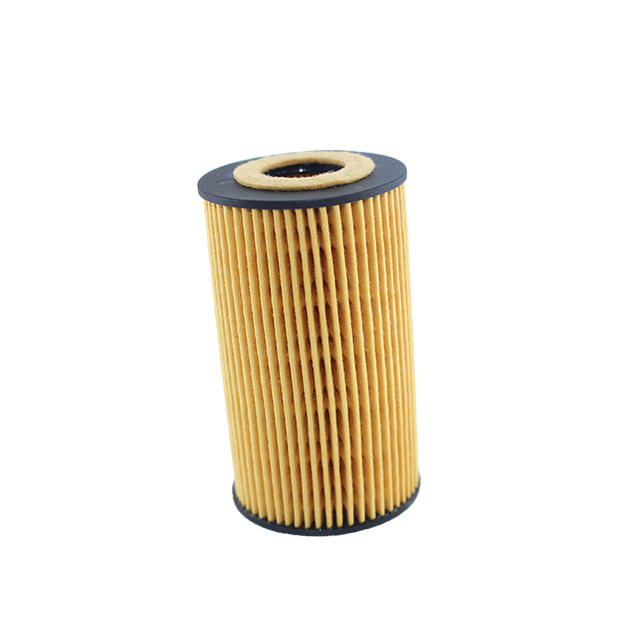
An oil filter plays a crucial role in keeping your car's engine clean and protected. It is responsible for filtering out impurities and contaminants present in the engine oil, preventing them from circulating through the engine. By removing dirt, metal particles, and other debris, the oil filter ensures that only clean oil reaches the engine components, reducing wear and tear and promoting optimal performance.
3. The Importance of a High-Quality Oil Filter
Investing in a high-quality oil filter is essential for maintaining the health of your car's engine. A reliable oil filter effectively traps and holds contaminants, preventing them from causing damage. Cheap or low-quality oil filters may not provide adequate filtration, allowing harmful particles to circulate within the engine. Over time, this can lead to increased friction, accelerated engine wear, and a decrease in overall performance.
4. Benefits of Using a Reliable Oil Filter
Using a high-quality oil filter offers several benefits, including:
4.1 Enhanced Engine Performance
A clean and properly functioning oil filter ensures that the engine receives clean oil, free from contaminants. This promotes optimal lubrication, reducing friction between engine components and enhancing overall performance.
4.2 Extended Engine Life
By effectively filtering out impurities, a reliable oil filter helps prevent premature engine wear and damage. This extends the life of your car's engine, saving you from costly repairs or even engine replacement.
4.3 Improved Fuel Efficiency
When your engine operates smoothly with clean oil, it can run more efficiently, leading to improved fuel economy. By reducing friction and wear, a high-quality oil filter helps your vehicle achieve better mileage, saving you money at the pump.
4.4 Reduced Maintenance Costs
Regularly replacing your oil filter with a reliable one can help prevent engine issues and the need for expensive repairs. By keeping your engine clean and protected, you can minimize maintenance costs and enjoy a trouble-free driving experience.
5. Factors to Consider When Choosing an Oil Filter
When selecting an oil filter for your car, it is important to consider the following factors:
5.1 Compatibility
Ensure that the oil filter is compatible with your vehicle's make, model, and engine specifications. Consult your car's manual or seek professional advice to determine the right filter for your vehicle.
5.2 Filtration Efficiency
Look for an oil filter that provides high filtration efficiency. It should be capable of effectively capturing and holding contaminants, even those as small as 10 microns, to ensure optimal engine protection.
5.3 Construction and Durability
Choose an oil filter made from high-quality materials that can withstand the demands of your car's engine. A durable filter will maintain its integrity over time, ensuring consistent and reliable filtration.
6. How to Install an Oil Filter
Proper installation of an oil filter is crucial to ensure its effectiveness. Follow these steps to install an oil filter correctly:
6.1 Preparation
Start by gathering the necessary tools, including a wrench or oil filter removal tool, a drain pan, and new engine oil if needed. Ensure the car is parked on a level surface and the engine is cool.
6.2 Locate the Oil Filter
Refer to your car's manual to locate the oil filter. In most vehicles, the oil filter is situated near the engine block, typically accessible from under the vehicle.
6.3 Drain the Oil
Using the drain pan, carefully loosen and remove the drain plug to allow the old oil to drain completely. Dispose of the used oil in an environmentally responsible manner.
6.4 Remove the Old Oil Filter
Using a wrench or oil filter removal tool, unscrew the old oil filter in a counterclockwise direction. Be prepared for some oil to spill, so ensure the drain pan is positioned correctly.
6.5 Install the New Oil Filter
Apply a thin layer of clean oil to the rubber gasket of the new oil filter. Screw the new filter in a clockwise direction until it is snug. Avoid overtightening, as it may cause damage.
6.6 Refill with Fresh Oil
Refer to your car's manual to determine the appropriate type and amount of engine oil. Use a funnel to refill the engine with fresh oil, ensuring it is at the correct level.
6.7 Dispose of the Old Filter and Oil
Dispose of the old oil filter and used oil in accordance with local regulations. Many auto parts stores accept used oil for recycling.
7. Frequently Asked Questions (FAQs)
7.1 Why is it important to change the oil filter regularly?
Regularly changing the oil filter helps maintain optimal engine performance by ensuring clean oil circulation. Over time, the oil filter becomes clogged with contaminants, reducing its effectiveness. Changing the oil filter at recommended intervals keeps your engine protected.
7.2 How often should I replace the oil filter?
It is generally recommended to replace the oil filter during each oil change, which is typically every 3,000 to 5,000 miles or as advised by your car manufacturer. However, consult your car's manual for the specific interval.
7.3 Can I reuse an oil filter?
Oil filters are designed for single-use and should not be reused. Reusing a filter can compromise its filtration efficiency and potentially lead to engine damage.
7.4 What happens if I don't change the oil filter?
If the oil filter is not changed regularly, it becomes clogged with contaminants, reducing its ability to filter out impurities. This can result in poor engine performance, accelerated wear, and potential engine damage.
7.5 Are all oil filters the same?
No, oil filters differ in terms of quality, construction, and filtration capabilities. It is important to choose a high-quality oil filter that meets the specifications of your vehicle for optimal engine protection.
8. Conclusion
Investing in a high-quality oil filter is a wise decision that can significantly extend your car's engine life. By effectively filtering out contaminants and ensuring clean oil circulation, a reliable oil filter protects your engine from premature wear and damage. Remember to choose a filter that is compatible with your vehicle and replace it regularly during oil changes. With the right oil filter, you can enjoy enhanced engine performance, improved fuel efficiency, and reduced maintenance costs, ultimately maximizing the lifespan of your car's engine.
Key words:

* Please Enter Keywords
The company is mainly engaged in the manufacture and sale of auto parts and accessories in the automobile manufacturing industry, the manufacture and sale of automobile rubber products, and the import and export of auto parts.