

 Esperanto
 Shqiptare
 Euskara
 Zulu
Zulu
 Latinus
 Cymraeg
 தமிழ்
தமிழ்
 Slovak
 Slovak
 Afrikaans
Focus On Hot Spots

Contact Info
E-mail: txgs@taixifilter.com
Manager Xu: +86-15097925576
Manager Feng: +86-15803195413
Address: North side of Caiyuan Village, Gexianzhuang Town, Qinghe County, Xingtai City, Hebei Province (No. 250)
Understanding the Function of an Oil Filter in a Car: Keep Your Engine Running Smoothly and Efficiently
Release Time:
Nov 09,2023
Table of Contents: 1. Introduction: The Importance of an Oil Filter in a Car 2. How Does an Oil Filter Work? 3. Role of an Oil Filter: Protecting the Engine from Contaminants 4. Types of Oil Filters and Their Features 4.1. Mechanical Oil Filters 4.2. Cartridge Oil Filters 4.3. Magnetic Oil Filters 4.4. Synthetic Oil Filters 5. Signs of a Clogged or Failing Oil Filter 6. How Often Shoul
1. Introduction: The Importance of an Oil Filter in a Car
2. How Does an Oil Filter Work?
3. Role of an Oil Filter: Protecting the Engine from Contaminants
4. Types of Oil Filters and Their Features
4.1. Mechanical Oil Filters
4.2. Cartridge Oil Filters
4.3. Magnetic Oil Filters
4.4. Synthetic Oil Filters
5. Signs of a Clogged or Failing Oil Filter
6. How Often Should You Change Your Oil Filter?
7. DIY Oil Filter Replacement: Step-by-Step Guide
8. FAQs (Frequently Asked Questions)
8.1. Can I reuse an oil filter?
8.2. What happens if I don't change my oil filter?
8.3. Is it necessary to change the oil filter every time I change the oil?
8.4. Can I clean an oil filter instead of replacing it?
8.5. How do I choose the right oil filter for my car?
9. Conclusion: Preserve Engine Health with a Reliable Oil Filter
1. Introduction: The Importance of an Oil Filter in a Car
In the complex machinery of a car engine, various components work together seamlessly to ensure optimal performance. One such component that plays a crucial role in maintaining engine health is the oil filter. The oil filter acts as a guardian, protecting the engine from harmful contaminants and debris that can compromise its efficiency and longevity. Let's delve deeper into how an oil filter works and why it is an essential part of your car's overall maintenance.
2. How Does an Oil Filter Work?
The primary function of an oil filter is to remove impurities from the engine oil, ensuring clean and pure oil circulation throughout the system. As the engine runs, the oil constantly flows through the filter, which traps contaminants such as dirt, metal particles, and sludge. The filter's design incorporates a porous material, usually made of synthetic fibers or cellulose, allowing oil to pass through while capturing unwanted particles.
3. Role of an Oil Filter: Protecting the Engine from Contaminants
The presence of contaminants in the engine oil can have detrimental effects on the overall performance and lifespan of the engine. These contaminants can cause increased friction, leading to accelerated wear and tear of vital engine components. Moreover, they can also clog important passages and hinder proper oil flow, resulting in reduced lubrication and overheating. Here's how an oil filter prevents these issues:
- Filtering out Contaminants: The oil filter's main objective is to capture contaminants and prevent them from circulating with the oil. This ensures that only clean oil reaches crucial engine parts, minimizing the risk of damage.
- Extending Engine Life: By removing harmful particles, an oil filter helps to maintain the overall cleanliness of the engine. This promotes smooth operations and reduces the likelihood of premature engine failure or breakdowns.
- Improving Fuel Efficiency: A clean engine operates more efficiently, consuming less fuel and producing fewer emissions. An oil filter plays a vital role in maintaining engine cleanliness, which translates into improved fuel economy.
4. Types of Oil Filters and Their Features
Oil filters come in various types, each with its own unique features and advantages. Understanding these options can help you choose the most suitable oil filter for your car's specific requirements. Let's explore the different types:
4.1. Mechanical Oil Filters
Mechanical oil filters, also known as full-flow filters, are the most commonly used type in automobiles. These filters utilize a dense paper or synthetic media to trap contaminants, allowing only clean oil to pass through. Mechanical filters are highly effective in removing particles down to a specific size, providing excellent filtration performance.
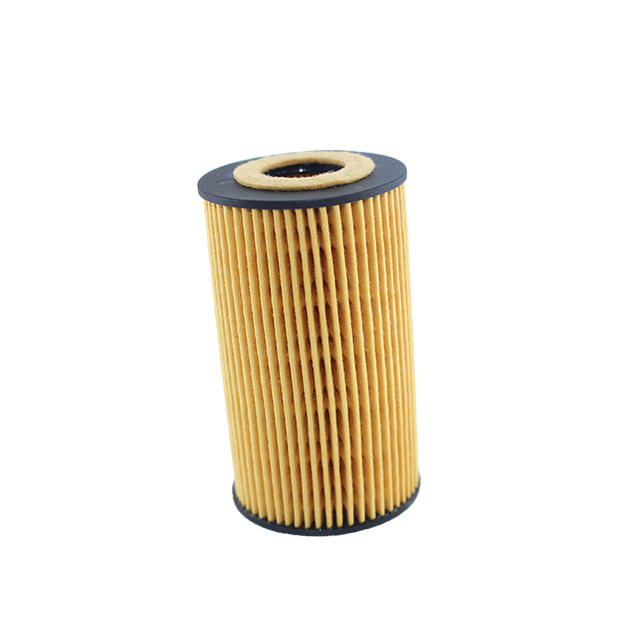
4.2. Cartridge Oil Filters
Cartridge oil filters consist of a replaceable filter element housed within a metal or plastic casing. These filters are known for their cost-effectiveness, as only the filter element needs to be replaced during maintenance. Cartridge filters often offer greater filtration capacity compared to mechanical filters, making them suitable for heavy-duty applications.
4.3. Magnetic Oil Filters
Magnetic oil filters utilize magnets to attract and capture metallic particles present in the engine oil. These filters are particularly effective in trapping ferrous metals, such as iron and steel. While they may not filter out non-metallic contaminants, magnetic filters can significantly reduce wear caused by metal-to-metal contact within the engine.
4.4. Synthetic Oil Filters
Synthetic oil filters employ advanced synthetic fibers that provide superior filtration efficiency and durability. These filters offer enhanced contaminant removal capabilities and can withstand higher oil flow rates. Synthetic filters are often chosen for high-performance engines or vehicles operating in extreme conditions.
5. Signs of a Clogged or Failing Oil Filter
A clogged or failing oil filter can lead to various issues that should not be ignored. Recognizing the signs of a compromised oil filter is essential for timely replacement and to prevent potential damage to your engine. Look out for the following indicators:
- Reduced Oil Pressure: A clogged oil filter restricts oil flow, leading to decreased oil pressure. This can trigger warning lights on your dashboard or cause fluctuations in oil pressure readings.
- Engine Overheating: A clogged filter obstructs proper oil circulation, resulting in inadequate lubrication. Insufficient lubrication can lead to increased friction and subsequent overheating of engine components.
- Unusual Engine Noises: When the oil filter is clogged, oil struggles to reach certain engine parts, causing them to operate without proper lubrication. This can result in unusual noises, such as knocking or ticking sounds.
- Decreased Performance: A compromised oil filter can negatively impact engine performance, leading to reduced power, rough idle, or hesitation during acceleration.
6. How Often Should You Change Your Oil Filter?
The frequency of oil filter replacement depends on various factors, including your car's make and model, driving conditions, and the type of oil filter used. However, as a general guideline, it is recommended to replace your oil filter during every oil change. This ensures optimal filtration efficiency and helps maintain a healthy engine.
7. DIY Oil Filter Replacement: Step-by-Step Guide
Performing a DIY oil filter replacement can save you time and money. Follow these simple steps to replace your oil filter:
1. Gather the necessary tools: oil filter wrench, drain pan, new oil filter, and fresh engine oil.
2. Locate the oil filter: The oil filter is typically located near the engine, although its exact location varies depending on the car model. Consult your vehicle's manual if unsure.
3. Prepare for oil drainage: Place the drain pan beneath the oil filter to catch any oil that may spill during removal.
4. Remove the old oil filter: Use the oil filter wrench to loosen and unscrew the old filter in a counterclockwise direction. Be cautious of any remaining hot oil.
5. Clean the filter housing: Wipe the filter housing with a clean cloth to remove any residue or debris.
6. Install the new oil filter: Apply a thin coat of fresh engine oil to the gasket of the new filter. Screw the new filter onto the housing in a clockwise direction, ensuring a snug fit.
7. Refill engine oil: Consult your vehicle's manual for the recommended oil type and quantity. Add the necessary amount of oil to the engine.
8. Start the engine: Turn on your car's engine and allow it to run for a few minutes. Check for any leaks around the new oil filter.
9. Dispose of the old filter and oil: Properly dispose of the old oil filter and used oil at a designated recycling center.
8. FAQs (Frequently Asked Questions)
8.1. Can I reuse an oil filter?
It is not recommended to reuse oil filters. Over time, filters accumulate contaminants that cannot be completely removed, making them less effective in subsequent usage. Always replace the oil filter with a new one during maintenance.
8.2. What happens if I don't change my oil filter?
Neglecting to change your oil filter can lead to reduced oil flow, increased engine wear, and potential damage. Contaminants can accumulate and circulate within the engine, compromising its performance and longevity.
8.3. Is it necessary to change the oil filter every time I change the oil?
Yes, it is highly recommended to change the oil filter every time you change the oil. Fresh oil should circulate through a clean filter to ensure optimal engine protection and performance.
8.4. Can I clean an oil filter instead of replacing it?
No, oil filters are designed for single-use and cannot be effectively cleaned. The accumulation of contaminants cannot be completely removed, compromising the filter's efficiency.
8.5. How do I choose the right oil filter for my car?
To choose the right oil filter for your car, consult your vehicle's manual or seek guidance from a trusted mechanic. They can recommend the appropriate filter based on your car's specifications and requirements.
9. Conclusion: Preserve Engine Health with a Reliable Oil Filter
Understanding the function and significance of an oil filter in a car is essential for maintaining the health and longevity of your engine. By capturing and removing contaminants from the oil, an oil filter plays a vital role in preventing engine damage and optimizing performance. Regular maintenance, including timely oil filter replacement, ensures a clean and efficient oil circulation system. Protect your investment and keep your engine running smoothly by prioritizing the health of your oil filter.
Key words:

* Please Enter Keywords
The company is mainly engaged in the manufacture and sale of auto parts and accessories in the automobile manufacturing industry, the manufacture and sale of automobile rubber products, and the import and export of auto parts.