

 Esperanto
 Shqiptare
 Euskara
 Zulu
Zulu
 Latinus
 Cymraeg
 தமிழ்
தமிழ்
 Slovak
 Slovak
 Afrikaans
Focus On Hot Spots
Contact Info
E-mail: txgs@taixifilter.com
Manager Xu: +86-15097925576
Manager Feng: +86-15803195413
Address: North side of Caiyuan Village, Gexianzhuang Town, Qinghe County, Xingtai City, Hebei Province (No. 250)
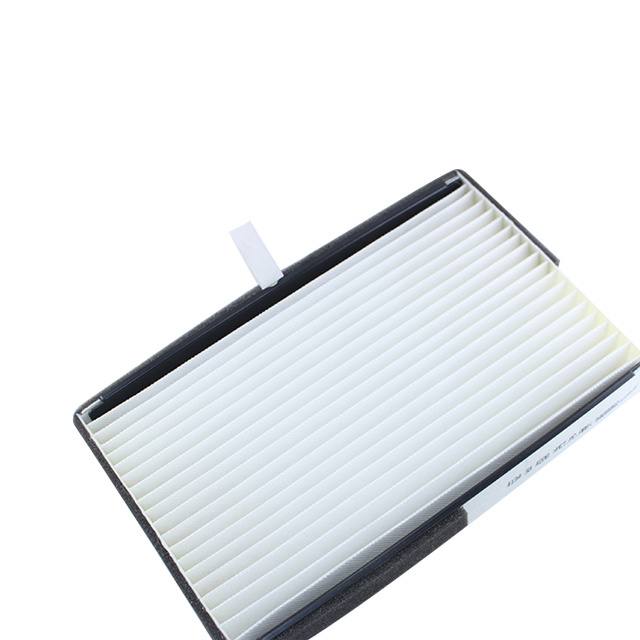
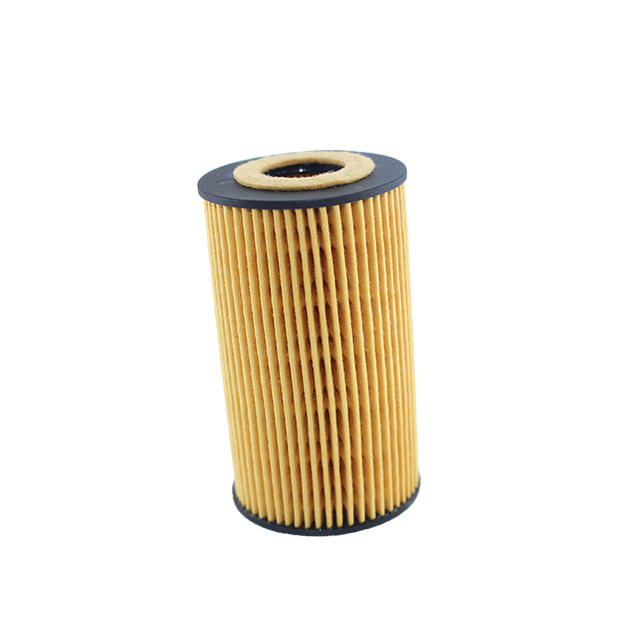
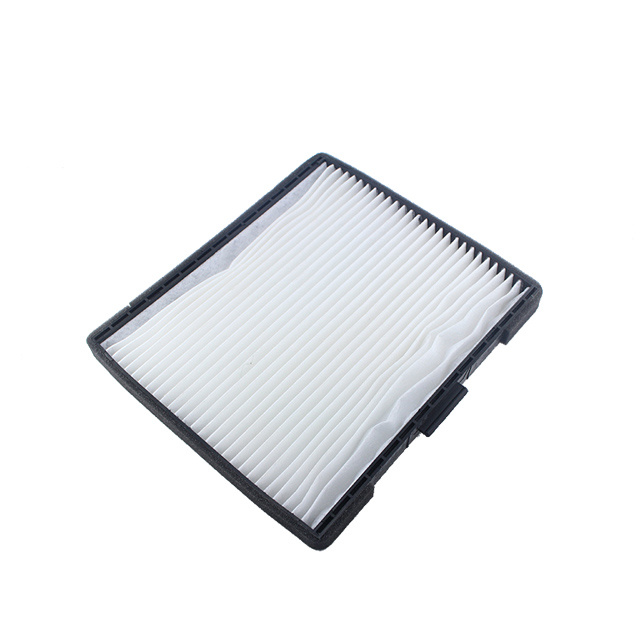
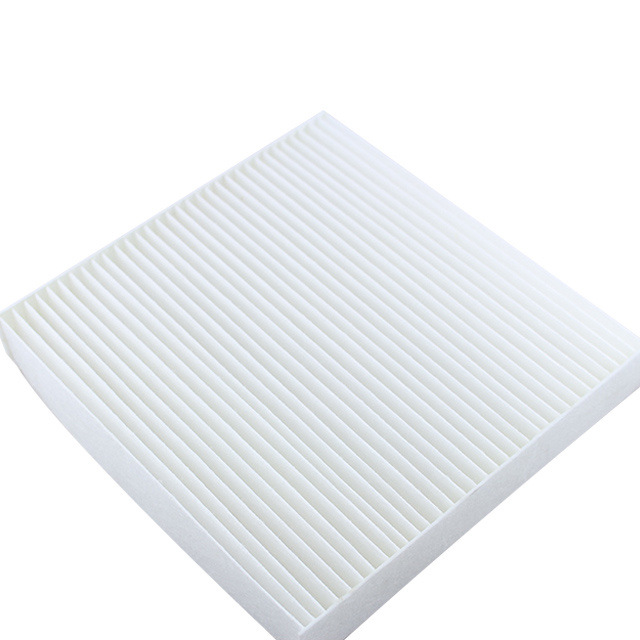
Split Air Conditioner Filter: A Comprehensive Guide to Industrial Equipment and Components
Release Time:
Nov 11,2023
Split Air Conditioner Filter: A Comprehensive Guide to Industrial Equipment and Components Introduction: In the industrial equipment and components industry, understanding the importance of filtration devices like split air conditioner filters is crucial. This comprehensive guide aims to provide professionals with practical knowledge about split air conditioner filters, their functions, and benefi
Introduction:
In the industrial equipment and components industry, understanding the importance of filtration devices like split air conditioner filters is crucial. This comprehensive guide aims to provide professionals with practical knowledge about split air conditioner filters, their functions, and benefits. Read on to discover the essential information that will help you make informed decisions in your industrial filtration needs.
1. What is a Split Air Conditioner Filter?
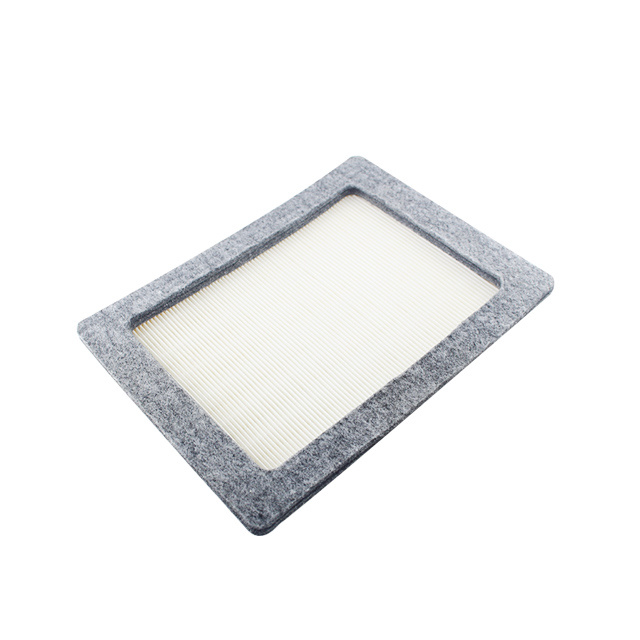
Split air conditioner filters are integral components of air conditioning systems, specifically designed to remove impurities from the air. These filters capture dust, pollen, pet dander, and other particles, ensuring clean and filtered air circulation.
2. How Does a Split Air Conditioner Filter Work?
Split air conditioner filters employ a multi-layered filtration system. The primary filter, often made of fiberglass or synthetic materials, captures larger particles. The secondary filter, typically made of activated carbon or charcoal, absorbs odors and harmful gases. This dual-layered filtration process guarantees improved indoor air quality.
3. Importance of Regular Filter Maintenance
Regular maintenance of split air conditioner filters is vital to ensure optimal performance. Clogged or dirty filters restrict airflow, leading to reduced efficiency and increased energy consumption. Professionals should schedule regular filter cleaning or replacement to maintain clean and healthy air circulation.
4. Types of Split Air Conditioner Filters
a. Fiberglass Filters: These economical filters are commonly found in residential and light commercial applications. They effectively capture larger particles but may not be as efficient in removing smaller particles.
b. Pleated Filters: Pleated filters offer improved filtration capabilities compared to fiberglass filters. Their increased surface area allows for better particle capture, including smaller particles.
c. High-Efficiency Particulate Air (HEPA) Filters: HEPA filters provide the highest level of filtration efficiency, capturing even the tiniest particles. These filters are commonly used in sensitive environments such as hospitals and laboratories.
5. Factors to Consider When Choosing a Split Air Conditioner Filter
a. Filtration Efficiency: Consider the specific filtration needs of your environment and choose a filter with the appropriate efficiency level.
b. Filter Size: Ensure the filter dimensions fit the air conditioning system perfectly to prevent air leakage and maintain optimal performance.
c. Maintenance Requirements: Evaluate the ease of maintenance and the frequency of filter replacement to ensure cost-effectiveness.
d. Environmental Impact: Some filters are reusable or made from eco-friendly materials, promoting sustainability in your filtration practices.
Conclusion:
Understanding the functions and benefits of split air conditioner filters is essential in the industrial equipment and components industry. By choosing the right filter and maintaining it regularly, professionals can ensure clean and healthy air circulation, improving overall indoor air quality. Stay informed and make informed decisions when it comes to your industrial filtration needs.
Key words:

* Please Enter Keywords
The company is mainly engaged in the manufacture and sale of auto parts and accessories in the automobile manufacturing industry, the manufacture and sale of automobile rubber products, and the import and export of auto parts.