

 Esperanto
 Shqiptare
 Euskara
 Zulu
Zulu
 Latinus
 Cymraeg
 தமிழ்
தமிழ்
 Slovak
 Slovak
 Afrikaans
Focus On Hot Spots
Contact Info
E-mail: txgs@taixifilter.com
Manager Xu: +86-15097925576
Manager Feng: +86-15803195413
Address: North side of Caiyuan Village, Gexianzhuang Town, Qinghe County, Xingtai City, Hebei Province (No. 250)
Understanding Different Types of Central AC Unit Filters: A Comprehensive Guide
Release Time:
Nov 12,2023
Table of Contents: 1. Introduction: The Significance of Central AC Unit Filters 2. Understanding the Different Types of Filters 2.1 Fiberglass Filters 2.2 Pleated Filters 2.3 Washable Filters 2.4 Electrostatic Filters 2.5 High-Efficiency Particulate Air (HEPA) Filters 2.6 Activated Carbon Filters 2.7 UV Filters 2.8 Electronic Air Cleaners 3. Factors to Consider When Choosin
1. Introduction: The Significance of Central AC Unit Filters
2. Understanding the Different Types of Filters
2.1 Fiberglass Filters
2.2 Pleated Filters
2.3 Washable Filters
2.4 Electrostatic Filters
2.5 High-Efficiency Particulate Air (HEPA) Filters
2.6 Activated Carbon Filters
2.7 UV Filters
2.8 Electronic Air Cleaners
3. Factors to Consider When Choosing a Filter
3.1 Filter Efficiency Rating
3.2 Airflow Restriction
3.3 Filter Lifespan
3.4 Budget Considerations
4. Benefits of Using the Right Filter
4.1 Improved Indoor Air Quality
4.2 Enhanced Energy Efficiency
4.3 Extended HVAC System Lifespan
4.4 Reduction in Allergens and Pollutants
4.5 Cost Savings and Lower Maintenance
5. Frequently Asked Questions (FAQs)
5.1 What is the recommended filter type for central AC units?
5.2 How often should filters be replaced?
5.3 Can I clean and reuse washable filters?
5.4 Do higher-priced filters offer better performance?
5.5 Are there any health risks associated with certain filter types?
6. Conclusion: Optimize Your Central AC System with the Right Filter
1. Introduction: The Significance of Central AC Unit Filters
Central air conditioning units play a vital role in maintaining a comfortable and healthy indoor environment. While the focus is often on the cooling capacity and energy efficiency of these systems, the importance of filters should not be overlooked. Filters serve as the front line of defense against airborne particles, allergens, and pollutants, ensuring clean and fresh air circulates throughout your home or office.
2. Understanding the Different Types of Filters
2.1 Fiberglass Filters
Fiberglass filters are the most common and affordable option for central AC units. They consist of a disposable, flat panel made of layered fiberglass fibers. While they can capture larger particles, such as dust and lint, they are less effective at trapping smaller particles like pollen and pet dander.
2.2 Pleated Filters
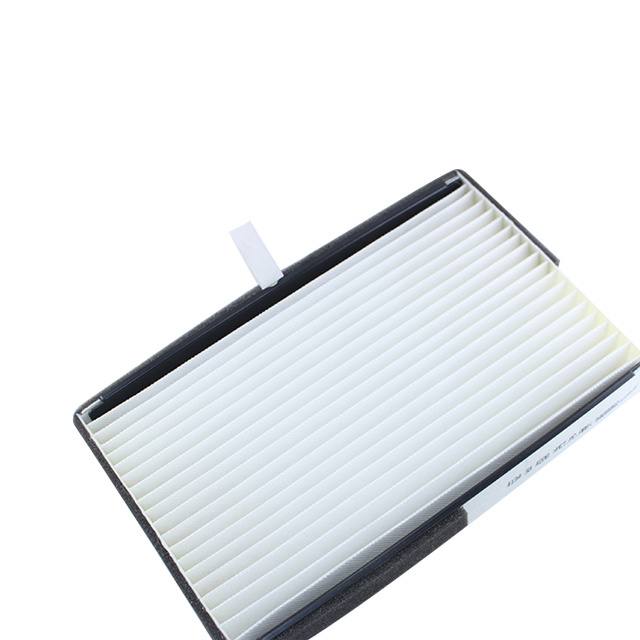
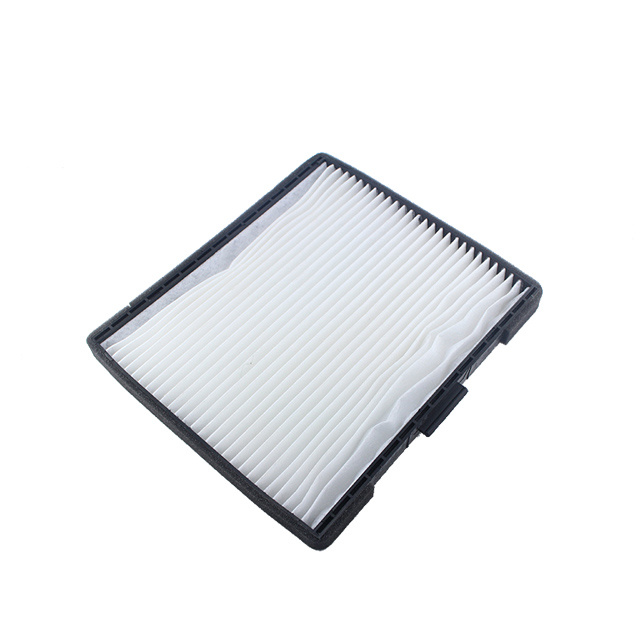
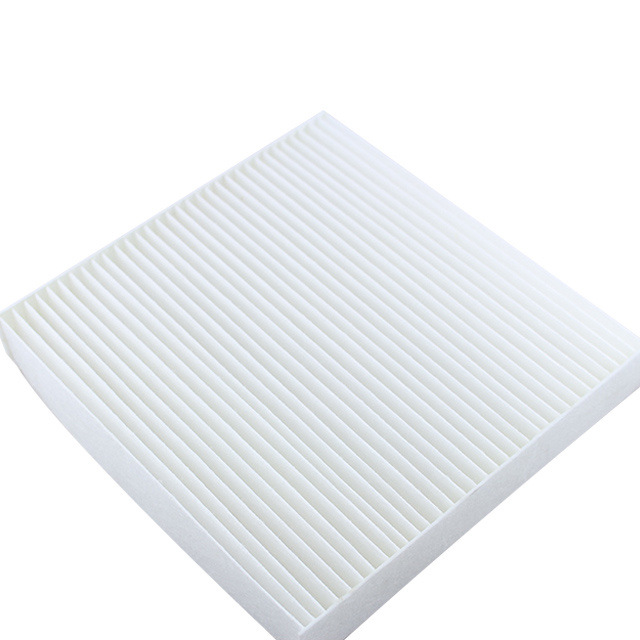
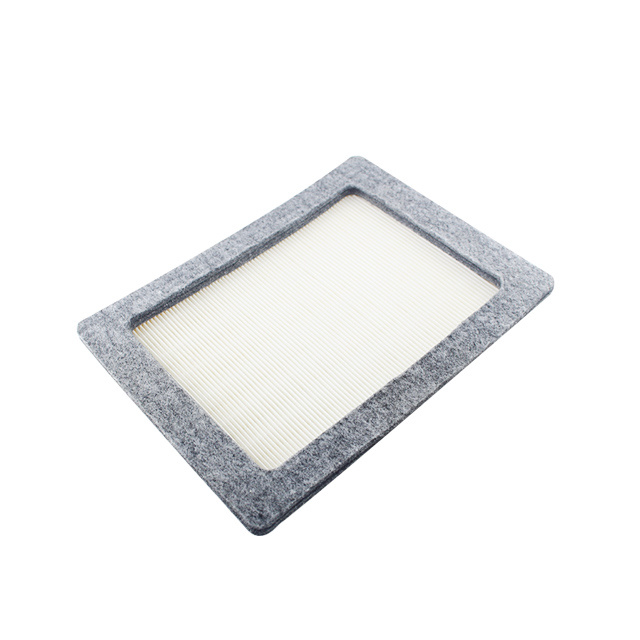
Pleated filters offer superior filtration compared to fiberglass filters. These filters feature a pleated design that increases their surface area, allowing for better particle capture. Pleated filters are available in varying levels of filtration efficiency, with higher-rated filters capable of removing smaller particles.
2.3 Washable Filters
Washable filters provide a reusable and eco-friendly option for central AC units. These filters are typically made of foam or polyester materials and can be cleaned with water or a mild detergent. While convenient, washable filters may have lower filtration efficiency compared to disposable options.
2.4 Electrostatic Filters
Electrostatic filters utilize an electrostatic charge to attract and capture airborne particles. These filters can be either washable or disposable and are known for their high filtration efficiency. Electrostatic filters can effectively trap smaller particles, making them a popular choice for allergy sufferers.
2.5 High-Efficiency Particulate Air (HEPA) Filters
HEPA filters are considered the gold standard in air filtration. These filters are capable of trapping 99.97% of particles as small as 0.3 microns in size. While highly effective, HEPA filters may require modifications to the central AC unit to accommodate their airflow requirements.
2.6 Activated Carbon Filters
Activated carbon filters specialize in removing odors, gases, and volatile organic compounds (VOCs) from the air. These filters contain a charcoal-like material that absorbs and traps the molecules responsible for unpleasant smells and harmful fumes. Activated carbon filters are often used in conjunction with other filter types.
2.7 UV Filters
UV filters use ultraviolet light to kill bacteria, viruses, and mold spores present in the air. These filters are installed within the central AC system and work to ensure cleaner and healthier air. UV filters are particularly beneficial for individuals with respiratory conditions or compromised immune systems.
2.8 Electronic Air Cleaners
Electronic air cleaners use electrically charged plates to attract and trap airborne particles. These cleaners can be stand-alone units or integrated into the central AC system. While highly efficient, electronic air cleaners may require professional installation and regular maintenance.
3. Factors to Consider When Choosing a Filter
3.1 Filter Efficiency Rating
When selecting a filter, consider its efficiency rating, typically measured by the Minimum Efficiency Reporting Value (MERV). Higher MERV ratings indicate better filtration and the ability to capture smaller particles. However, filters with high MERV ratings may also restrict airflow, impacting the overall performance of your central AC unit.
3.2 Airflow Restriction
Ensure that the selected filter is compatible with your central AC system's airflow capacity. Filters that restrict airflow can strain the system, leading to reduced cooling efficiency and potential damage. Consult the manufacturer's guidelines or seek advice from a professional to determine the appropriate filter for your system.
3.3 Filter Lifespan
Different filter types have varying lifespans before replacement or cleaning is necessary. Consider the maintenance requirements and frequency of filter replacement when choosing the right option for your central AC unit. Regularly replacing or cleaning filters ensures optimal performance and prolongs the lifespan of your system.
3.4 Budget Considerations
Evaluate the cost of filters and balance it with the desired level of filtration and system performance. While budget-friendly options may be suitable for some, investing in higher-quality filters can offer long-term benefits in terms of improved indoor air quality and system efficiency.
4. Benefits of Using the Right Filter
4.1 Improved Indoor Air Quality
Choosing the right filter helps remove harmful particles, allergens, and pollutants from the air, resulting in cleaner and healthier indoor air. This is especially important for individuals with respiratory conditions, allergies, or sensitivities.
4.2 Enhanced Energy Efficiency
Filters that facilitate proper airflow and prevent dust buildup on the system's components contribute to improved energy efficiency. Clean filters reduce strain on the central AC unit, resulting in lower energy consumption and reduced utility costs.
4.3 Extended HVAC System Lifespan
Using the appropriate filter protects the central AC system from dust and debris buildup, reducing wear and tear on vital components. This can lead to a longer lifespan for your HVAC system, minimizing the need for costly repairs or premature replacement.
4.4 Reduction in Allergens and Pollutants
Filters designed to capture allergens and pollutants such as pollen, pet dander, and mold spores reduce the presence of these triggers in your indoor environment. This can provide relief for allergy sufferers and promote a healthier living space.
4.5 Cost Savings and Lower Maintenance
Effective filters prevent dirt and debris from entering the system, reducing the need for extensive cleaning and maintenance. Additionally, clean filters contribute to optimal system performance, minimizing the risk of breakdowns and costly repairs.
5. Frequently Asked Questions (FAQs)
5.1 What is the recommended filter type for central AC units?
The recommended filter type depends on your specific requirements and the desired level of filtration. Pleated filters with a MERV rating between 8 and 13 are generally suitable for most households.
5.2 How often should filters be replaced?
Filter replacement frequency varies depending on factors such as filter type, usage, and air quality. As a general guideline, disposable filters should be replaced every 1 to 3 months, while washable filters should be cleaned every 1 to 3 months and replaced every 6 to 12 months.
5.3 Can I clean and reuse washable filters?
Yes, washable filters can be cleaned according to the manufacturer's instructions. Regular cleaning ensures optimal filtration efficiency and prolongs the lifespan of the filter.
5.4 Do higher-priced filters offer better performance?
Higher-priced filters often offer improved filtration efficiency and higher MERV ratings. However, the right filter choice should be based on your specific needs and budget considerations.
5.5 Are there any health risks associated with certain filter types?
While filters generally improve indoor air quality, individuals with pre-existing health conditions should consult a healthcare professional for advice on filter selection and usage.
6. Conclusion: Optimize Your Central AC System with the Right Filter
Choosing the appropriate filter for your central AC unit is crucial for maintaining clean, healthy indoor air and optimizing system performance. By understanding the different types of filters available and considering factors such as efficiency, airflow, lifespan, and budget, you can make an informed decision that best suits your needs. Invest in a high-quality filter to ensure improved indoor air quality, energy efficiency, and a longer lifespan for your central AC system.
Key words:

* Please Enter Keywords
The company is mainly engaged in the manufacture and sale of auto parts and accessories in the automobile manufacturing industry, the manufacture and sale of automobile rubber products, and the import and export of auto parts.