

 Esperanto
 Shqiptare
 Euskara
 Zulu
Zulu
 Latinus
 Cymraeg
 தமிழ்
தமிழ்
 Slovak
 Slovak
 Afrikaans
Focus On Hot Spots
Contact Info
E-mail: txgs@taixifilter.com
Manager Xu: +86-15097925576
Manager Feng: +86-15803195413
Address: North side of Caiyuan Village, Gexianzhuang Town, Qinghe County, Xingtai City, Hebei Province (No. 250)
Choosing the Right Air Conditioner Air Filter: A Guide for Homeowners
Release Time:
Nov 13,2023
Table of Contents 1. Introduction: Why Choosing the Right Air Conditioner Air Filter Matters 2. Understanding Air Conditioner Air Filters: The Basics 3. Types of Air Conditioner Air Filters 3.1 Fiberglass Filters 3.2 Polyester Filters 3.3 Pleated Filters 3.4 High-Efficiency Particulate Air (HEPA) Filters 4. Factors to Consider When Choosing an Air Conditioner Air Filter 4.1 Fil
1. Introduction: Why Choosing the Right Air Conditioner Air Filter Matters
2. Understanding Air Conditioner Air Filters: The Basics
3. Types of Air Conditioner Air Filters
3.1 Fiberglass Filters
3.2 Polyester Filters
3.3 Pleated Filters
3.4 High-Efficiency Particulate Air (HEPA) Filters
4. Factors to Consider When Choosing an Air Conditioner Air Filter
4.1 Filtration Efficiency
4.2 Filter Size
4.3 MERV Rating
4.4 Filter Lifespan
5. Benefits of Choosing the Right Air Conditioner Air Filter
5.1 Improved Indoor Air Quality
5.2 Energy Efficiency
5.3 Extended HVAC System Lifespan
5.4 Allergen Reduction
6. Frequently Asked Questions (FAQs)
6.1 What is the best type of air conditioner air filter?
6.2 How often should I replace my air filter?
6.3 Can I clean and reuse air filters?
6.4 Is a higher MERV rating always better?
6.5 What are the signs of a clogged air filter?
7. Conclusion: Choose Wisely for a Healthier Home Environment
1. Introduction: Why Choosing the Right Air Conditioner Air Filter Matters
In today's fast-paced world, ensuring a healthy and comfortable indoor environment is crucial. One element that significantly impacts indoor air quality is the air conditioner air filter. Choosing the right air filter for your air conditioning system is essential for maintaining clean and breathable air, reducing allergens, and improving overall HVAC system performance. In this guide, we will walk you through the process of selecting the perfect air conditioner air filter for your home.
2. Understanding Air Conditioner Air Filters: The Basics
Before we dive into the different types of air conditioner air filters available, it's essential to understand the basics. Air filters serve as a barrier, trapping airborne particles such as dust, pollen, pet dander, and mold spores. This filtration process helps maintain a healthier indoor environment by preventing these particles from circulating in the air you breathe.
3. Types of Air Conditioner Air Filters
3.1 Fiberglass Filters
Fiberglass filters are inexpensive and commonly found in many air conditioning systems. They are made of layered fiberglass fibers that capture larger particles. However, they are not as effective in trapping smaller pollutants.
3.2 Polyester Filters
Polyester filters offer better filtration efficiency than fiberglass filters. They are electrostatically charged, attracting and capturing smaller particles. These filters are washable and reusable, making them eco-friendly options.
3.3 Pleated Filters
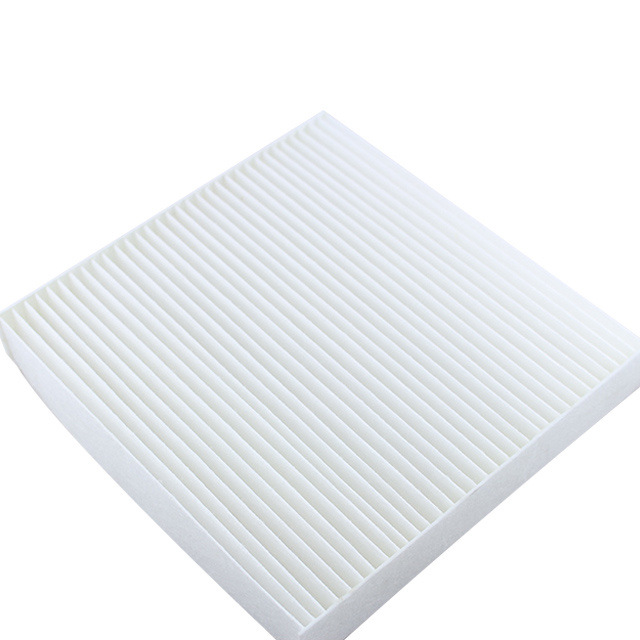
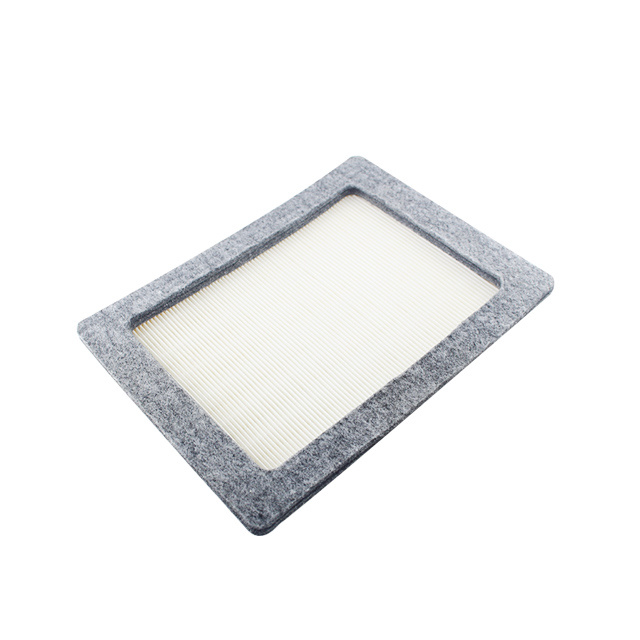
Pleated filters have a larger surface area compared to fiberglass and polyester filters. This increased surface area allows for better particle capture and extended filter life. Pleated filters are available in various MERV ratings, offering flexibility based on filtration needs.
3.4 High-Efficiency Particulate Air (HEPA) Filters
HEPA filters are the gold standard when it comes to air filtration. They can trap over 99% of airborne particles, including bacteria and viruses. HEPA filters are commonly used in hospitals, laboratories, and cleanrooms. However, they may require modifications to the HVAC system to accommodate their higher air resistance.
4. Factors to Consider When Choosing an Air Conditioner Air Filter
4.1 Filtration Efficiency
Consider the filtration efficiency required for your specific needs. If you have allergies or respiratory issues, a higher efficiency filter is recommended. However, keep in mind that higher efficiency filters may also restrict airflow, affecting the HVAC system's performance.
4.2 Filter Size
Ensure the air filter you choose matches the dimensions of your air conditioning system. Ill-fitting filters can lead to air bypass, reducing filtration effectiveness.
4.3 MERV Rating
The Minimum Efficiency Reporting Value (MERV) rating indicates the filter's ability to capture particles of different sizes. Higher MERV ratings denote higher filtration efficiency. However, filters with higher ratings may also reduce airflow, requiring more powerful HVAC systems.
4.4 Filter Lifespan
Consider the recommended filter lifespan and replacement frequency. Some filters need replacement every month, while others can last several months. Regular maintenance and replacement are essential to ensure optimal filtration.
5. Benefits of Choosing the Right Air Conditioner Air Filter
5.1 Improved Indoor Air Quality
By effectively capturing and removing airborne particles, the right air conditioner air filter enhances indoor air quality. This can alleviate allergies, reduce respiratory issues, and create a healthier living environment.
5.2 Energy Efficiency
A properly chosen air filter can improve your HVAC system's energy efficiency by allowing better airflow. When air flows freely, the system does not need to work as hard, reducing energy consumption and utility bills.
5.3 Extended HVAC System Lifespan
Clean and well-maintained air filters prevent dirt and debris from accumulating in the HVAC system. This reduces strain on the system's components, extending its lifespan and reducing the need for costly repairs.
5.4 Allergen Reduction
Air filters with higher filtration efficiency effectively trap allergens such as pollen, pet dander, and dust mites. This can provide relief to individuals with allergies and respiratory conditions, making the indoor environment more comfortable.
6. Frequently Asked Questions (FAQs)
6.1 What is the best type of air conditioner air filter?
The best type of air conditioner air filter depends on your specific needs. Consider factors such as filtration efficiency, filter size, and MERV rating to determine the most suitable option for your home.
6.2 How often should I replace my air filter?
Air filter replacement frequency varies depending on the filter type and manufacturer's recommendations. Generally, it is recommended to replace filters every 1-3 months. However, factors such as pets, allergies, and environmental conditions may require more frequent replacements.
6.3 Can I clean and reuse air filters?
Some air filters, such as polyester filters, are washable and reusable. However, not all filters can be cleaned effectively. Always refer to the manufacturer's instructions for proper cleaning and reusability guidelines.
6.4 Is a higher MERV rating always better?
While a higher MERV rating indicates better filtration efficiency, it may not always be suitable for every HVAC system. Higher MERV-rated filters can restrict airflow, potentially causing strain on the system. Consider your system's capability and consult with an HVAC professional if needed.
6.5 What are the signs of a clogged air filter?
Signs of a clogged air filter include reduced airflow, decreased cooling or heating efficiency, increased energy consumption, and more frequent allergies or respiratory symptoms. Regularly inspecting and replacing air filters can prevent these issues.
7. Conclusion: Choose Wisely for a Healthier Home Environment
Choosing the right air conditioner air filter is crucial for maintaining a healthy indoor environment. By understanding the different types of filters, considering factors like filtration efficiency and size, and recognizing the benefits, you can make an informed decision. Remember to regularly replace air filters to ensure optimal performance and enjoy cleaner, fresher air in your home. Invest in the right air filter today for a healthier and more comfortable living space.
Key words:

* Please Enter Keywords
The company is mainly engaged in the manufacture and sale of auto parts and accessories in the automobile manufacturing industry, the manufacture and sale of automobile rubber products, and the import and export of auto parts.