

 Esperanto
 Shqiptare
 Euskara
 Zulu
Zulu
 Latinus
 Cymraeg
 தமிழ்
தமிழ்
 Slovak
 Slovak
 Afrikaans
Focus On Hot Spots
Contact Info
E-mail: txgs@taixifilter.com
Manager Xu: +86-15097925576
Manager Feng: +86-15803195413
Address: North side of Caiyuan Village, Gexianzhuang Town, Qinghe County, Xingtai City, Hebei Province (No. 250)
How a Dirty Air Conditioner Air Filter Can Impact Your Home's Energy Efficiency
Release Time:
Nov 14,2023
Table of Contents: 1. Introduction: Unveiling the Impact of Dirty Air Conditioner Air Filters 2. Understanding the Role of Air Filters in Your Home's Energy Efficiency 3. Signs and Symptoms of a Dirty Air Conditioner Air Filter 4. The Detrimental Effects of Dirty Air Filters on Energy Efficiency 5. How to Improve Your Home's Energy Efficiency by Maintaining Clean Air Filters 6. Frequently Asked Qu
1. Introduction: Unveiling the Impact of Dirty Air Conditioner Air Filters
2. Understanding the Role of Air Filters in Your Home's Energy Efficiency
3. Signs and Symptoms of a Dirty Air Conditioner Air Filter
4. The Detrimental Effects of Dirty Air Filters on Energy Efficiency
5. How to Improve Your Home's Energy Efficiency by Maintaining Clean Air Filters
6. Frequently Asked Questions (FAQs)
7. Conclusion: Prioritizing Air Filter Maintenance for Enhanced Energy Efficiency
1. Introduction: Unveiling the Impact of Dirty Air Conditioner Air Filters
Are you aware that a dirty air conditioner air filter can significantly impact your home's energy efficiency? Neglecting the maintenance of your air filter can lead to various issues that affect not only your comfort but also your wallet. In this article, we will explore the importance of clean air filters and the adverse effects of neglecting their maintenance. Join us as we delve into the world of air conditioner air filters and uncover their impact on your home's energy efficiency.
2. Understanding the Role of Air Filters in Your Home's Energy Efficiency
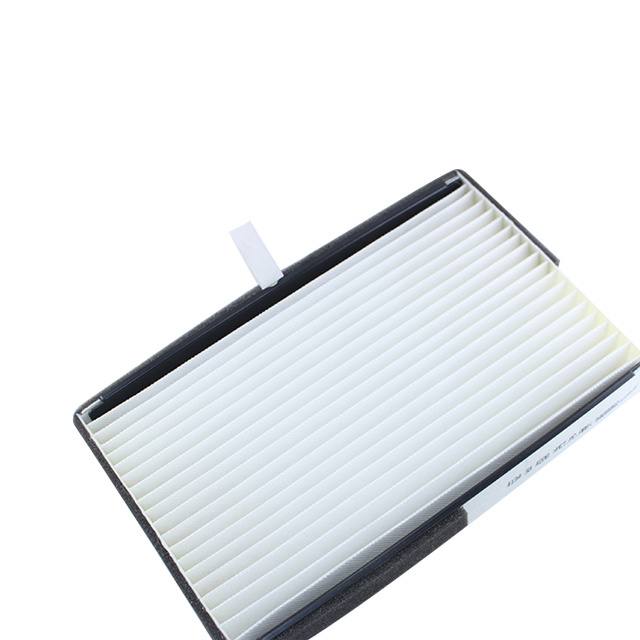
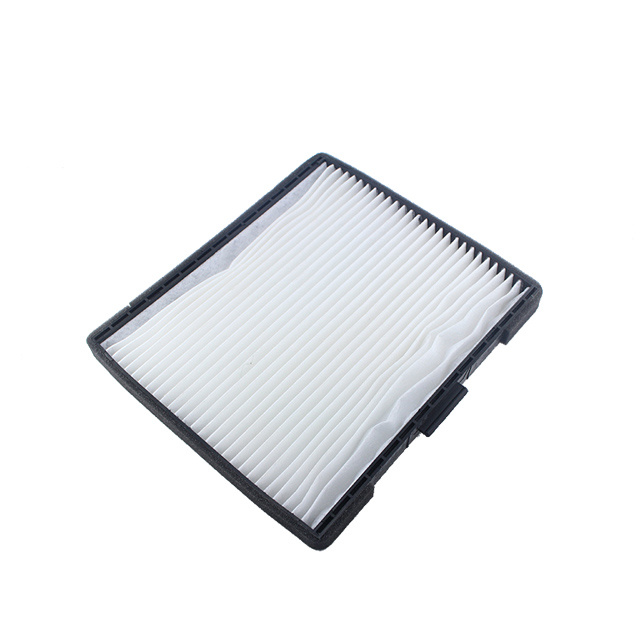
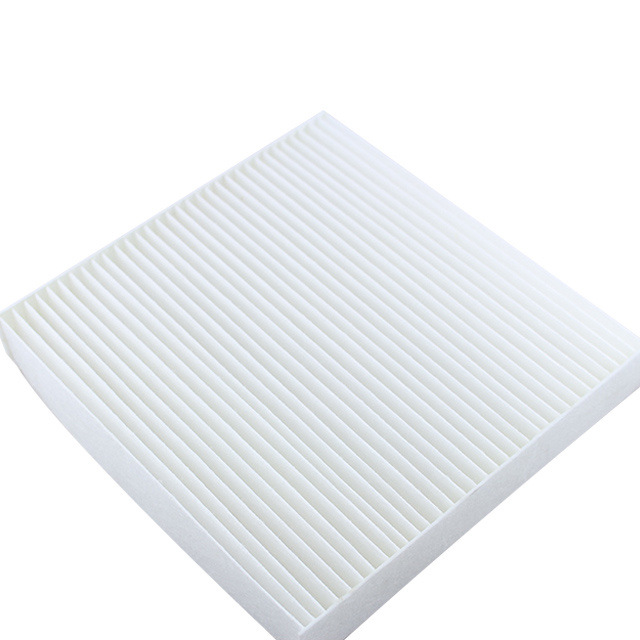
Air filters play a crucial role in maintaining a clean and healthy indoor environment. They are responsible for trapping dust, pollen, pet dander, and other airborne particles that circulate in your home. However, over time, these filters can become clogged with debris, reducing their effectiveness in capturing pollutants. As a result, your air conditioner has to work harder to circulate air, causing a significant strain on its energy consumption.
3. Signs and Symptoms of a Dirty Air Conditioner Air Filter
Identifying the signs of a dirty air conditioner air filter is essential in maintaining your home's energy efficiency. Look out for the following indicators:
- Reduced airflow: If you notice weaker airflow from your air conditioning system, it could be a sign of a clogged filter.
- Increased energy bills: A dirty air filter forces your air conditioner to work harder, resulting in higher energy consumption and subsequently, increased energy bills.
- Allergy symptoms: If you or your family members experience an increase in allergy symptoms, such as sneezing or coughing, it could be due to a dirty filter that fails to effectively capture allergens.
4. The Detrimental Effects of Dirty Air Filters on Energy Efficiency
When air filters become clogged with dirt and debris, they obstruct the airflow in your HVAC system. This obstruction forces your air conditioner to work harder and longer to cool your home, consuming more energy in the process. The strain on the system can lead to decreased energy efficiency, reduced cooling capacity, and ultimately, a shorter lifespan for your air conditioner. Additionally, the reduced airflow can result in uneven temperature distribution throughout your home, leading to discomfort and dissatisfaction.
5. How to Improve Your Home's Energy Efficiency by Maintaining Clean Air Filters
To ensure optimal energy efficiency and prolong the lifespan of your air conditioner, it is crucial to prioritize air filter maintenance. Here are some steps you can take:
- Regular filter replacements: Follow the manufacturer's recommendations and replace your air filter at least every three months, or more frequently if you have pets or allergies.
- Check for cleanliness: Regularly inspect your air filter for dirt accumulation. If it appears dirty or clogged, replace it immediately.
- Professional maintenance: Schedule regular maintenance with HVAC professionals to ensure your air conditioner is operating efficiently. They can clean or replace filters as needed, among other essential tasks.
6. Frequently Asked Questions (FAQs)
Q1: How often should I replace my air filter?
A1: It is generally recommended to replace your air filter every three months. However, factors such as pets, allergies, and indoor air quality may require more frequent replacements.
Q2: Can a dirty air filter damage my air conditioner?
A2: Yes, a dirty air filter can strain your air conditioner, leading to decreased energy efficiency and potentially causing damage to the system if left unaddressed.
Q3: Can a clean air filter improve indoor air quality?
A3: Absolutely! A clean air filter effectively captures pollutants, ensuring cleaner air and improved indoor air quality.
Q4: Can I clean and reuse my air filters?
A4: While some filters are washable and reusable, most disposable filters should be replaced rather than cleaned. Check the manufacturer's instructions for your specific filter type.
Q5: What happens if I neglect air filter maintenance?
A5: Neglecting air filter maintenance can lead to reduced energy efficiency, increased energy bills, strain on your air conditioner, discomfort, and potentially costly repairs.
7. Conclusion: Prioritizing Air Filter Maintenance for Enhanced Energy Efficiency
In conclusion, a dirty air conditioner air filter can considerably impact your home's energy efficiency. By neglecting air filter maintenance, you not only compromise your comfort but also increase your energy consumption and expenses. Regularly replacing and cleaning your air filters is vital to ensure optimal energy efficiency, prolong the lifespan of your air conditioner, and maintain a healthy indoor environment. Don't wait until the detrimental effects become evident; take proactive steps to prioritize air filter maintenance and enjoy enhanced energy efficiency in your home.
Key words:

* Please Enter Keywords
The company is mainly engaged in the manufacture and sale of auto parts and accessories in the automobile manufacturing industry, the manufacture and sale of automobile rubber products, and the import and export of auto parts.