

 Esperanto
 Shqiptare
 Euskara
 Zulu
Zulu
 Latinus
 Cymraeg
 தமிழ்
தமிழ்
 Slovak
 Slovak
 Afrikaans
Focus On Hot Spots
Contact Info
E-mail: txgs@taixifilter.com
Manager Xu: +86-15097925576
Manager Feng: +86-15803195413
Address: North side of Caiyuan Village, Gexianzhuang Town, Qinghe County, Xingtai City, Hebei Province (No. 250)
Air Conditioner Air Filter: Everything You Need to Know
Release Time:
Nov 15,2023
Air filters are a vital component of air conditioning systems, ensuring clean and healthy indoor air quality. In the industrial equipment and components industry, specifically in the field of filtration devices, air filters play a crucial role in maintaining the efficiency and longevity of the equipment. Let's explore everything you need to know about air conditioner air filters. 1. What is an Air
1. What is an Air Conditioner Air Filter?
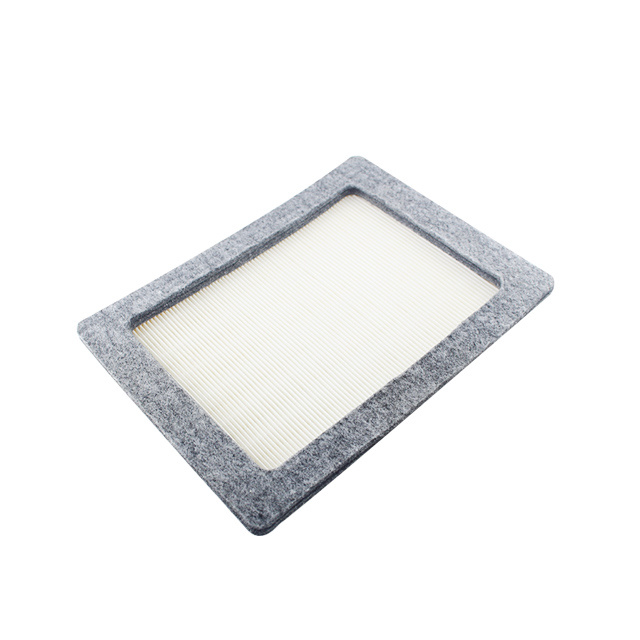
An air conditioner air filter is a device designed to trap and remove particles from the air that passes through the system. It acts as a barrier, preventing dust, pollen, allergens, and other contaminants from entering the air conditioning system or circulating indoors. The filter captures these particles, allowing only clean air to flow through.
2. Importance of Air Filters in Air Conditioning Systems
Air filters are essential for various reasons:
- Improved Indoor Air Quality: Air filters remove harmful particles, improving the overall air quality inside buildings and industrial spaces. This is particularly beneficial for individuals with allergies or respiratory conditions.
- Enhanced System Efficiency: By capturing dust and debris, air filters prevent them from accumulating on the system's components. This helps maintain optimal performance, energy efficiency, and reduces the risk of breakdowns.
- Extended Equipment Lifespan: A clean air filter prevents dust and debris from entering the system, reducing wear and tear on critical components. This can significantly extend the lifespan of the air conditioning equipment.
- Cost Savings: Regularly replacing or cleaning air filters can save costs by reducing energy consumption and minimizing the need for repairs or premature equipment replacement.
3. Types of Air Filters
There are different types of air filters available in the market, including:
- Fiberglass Filters: These disposable filters are cost-effective and capture larger particles. However, they may not be as effective at capturing smaller particles or allergens.
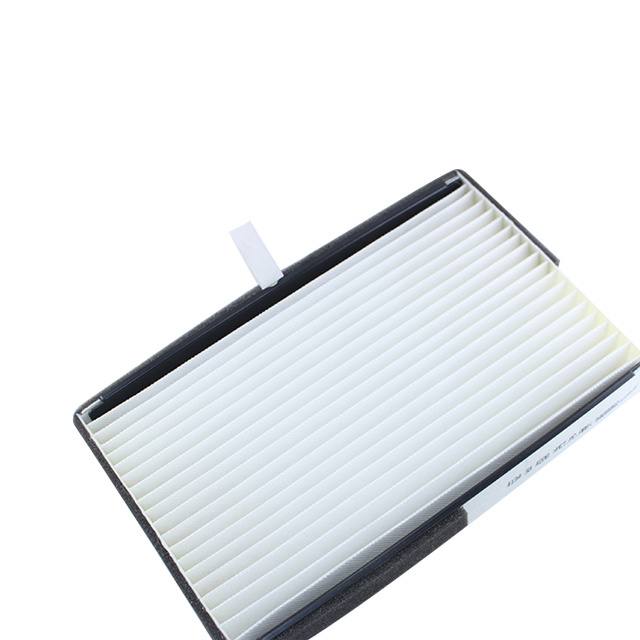
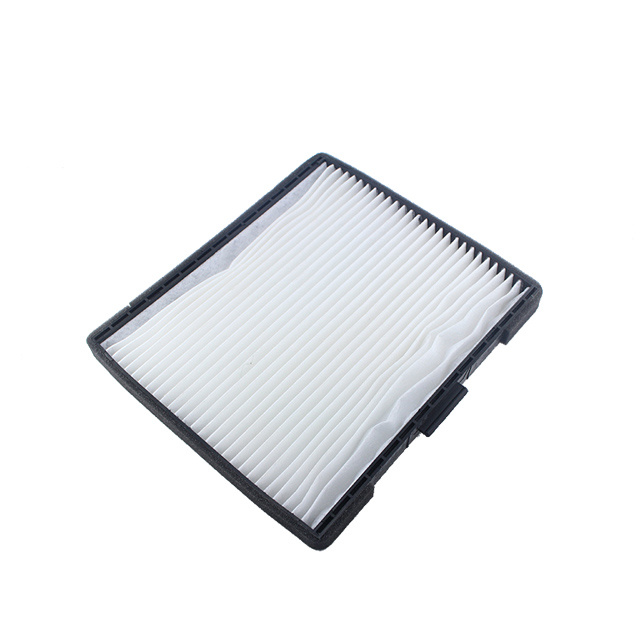
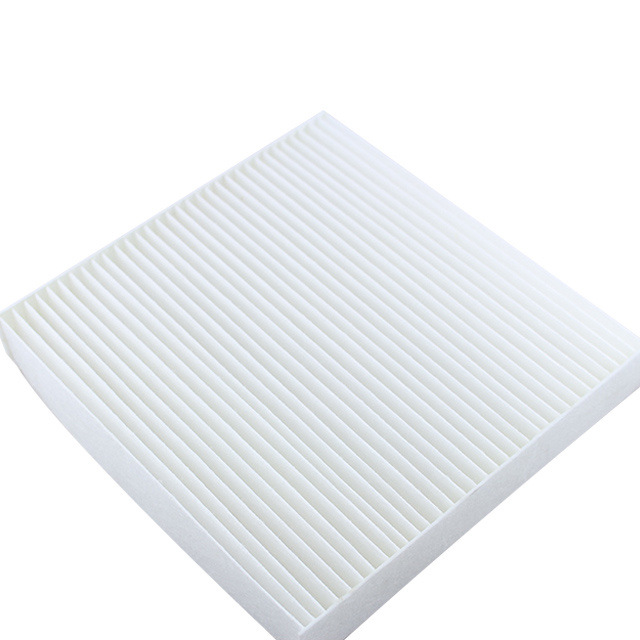
- Pleated Filters: These filters have a larger surface area due to their pleated design, providing better filtration capabilities. They can capture smaller particles and are available in various levels of filtration efficiency.
- High-Efficiency Particulate Air (HEPA) Filters: HEPA filters are highly efficient in capturing microscopic particles, including bacteria and viruses. They are commonly used in sensitive environments such as hospitals or laboratories.
4. Proper Maintenance and Replacement
To ensure the air conditioning system functions optimally, it is crucial to maintain and replace air filters regularly. This involves:
- Regular Inspection: Check the filters for dirt buildup or damage.
- Cleaning or Replacement: Clean or replace the filters based on the manufacturer's guidelines or when they become visibly dirty.
- Filter Efficiency: Consider the specific requirements of your industrial equipment and components when selecting air filters. Higher filtration efficiency may be necessary for certain environments.
In conclusion, air conditioner air filters are essential components in the industrial equipment and components industry. They improve indoor air quality, enhance system efficiency, extend equipment lifespan, and contribute to cost savings. Understanding the different types of air filters and practicing proper maintenance ensures optimal performance and a healthier environment. Choose the right air filters for your specific needs and enjoy the benefits they bring.
Key words:

* Please Enter Keywords
The company is mainly engaged in the manufacture and sale of auto parts and accessories in the automobile manufacturing industry, the manufacture and sale of automobile rubber products, and the import and export of auto parts.