

 Esperanto
 Shqiptare
 Euskara
 Zulu
Zulu
 Latinus
 Cymraeg
 தமிழ்
தமிழ்
 Slovak
 Slovak
 Afrikaans
Focus On Hot Spots
Contact Info
E-mail: txgs@taixifilter.com
Manager Xu: +86-15097925576
Manager Feng: +86-15803195413
Address: North side of Caiyuan Village, Gexianzhuang Town, Qinghe County, Xingtai City, Hebei Province (No. 250)
Top 5 Air Conditioner Air Filters for Industrial Applications
Release Time:
Nov 16,2023
Table of Contents: 1. Introduction to Industrial Air Filters 2. Importance of Air Filters in Industrial Applications 3. Factors to Consider When Choosing Industrial Air Filters 4. Top 5 Air Conditioner Air Filters for Industrial Applications 4.1 High-Efficiency Particulate Air (HEPA) Filters 4.2 Electrostatic Air Filters 4.3 Carbon Air Filters 4.4 Pleated Air Filters 4.5 Fiberglass
1. Introduction to Industrial Air Filters
2. Importance of Air Filters in Industrial Applications
3. Factors to Consider When Choosing Industrial Air Filters
4. Top 5 Air Conditioner Air Filters for Industrial Applications
4.1 High-Efficiency Particulate Air (HEPA) Filters
4.2 Electrostatic Air Filters
4.3 Carbon Air Filters
4.4 Pleated Air Filters
4.5 Fiberglass Air Filters
5. FAQs about Industrial Air Filters
5.1 What is the lifespan of an industrial air filter?
5.2 How often should industrial air filters be replaced?
5.3 Can industrial air filters reduce energy consumption?
5.4 Are industrial air filters effective against harmful gases and odors?
5.5 Can industrial air filters be customized for specific applications?
6. Conclusion
Introduction to Industrial Air Filters
Industrial air filters play a crucial role in maintaining clean and healthy air quality in various industrial settings. These filters are designed to trap and remove contaminants such as dust, dirt, pollen, mold spores, and other airborne particles before the air is circulated within the industrial facility. By ensuring the air is free from pollutants, industrial air filters contribute to a healthier working environment and help protect expensive machinery from damage caused by airborne particles.
Importance of Air Filters in Industrial Applications
In industrial applications, the quality of air directly affects the safety and productivity of workers, as well as the efficiency and longevity of equipment. Airborne particles can lead to respiratory issues among employees and cause damage to sensitive machinery, resulting in costly repairs and downtime. Industrial air filters effectively capture and remove these particles, preventing them from circulating in the air and causing harm.
Factors to Consider When Choosing Industrial Air Filters
When selecting air filters for industrial applications, several factors need to be taken into consideration:
1. Filtration Efficiency: The ability of the filter to capture particles of various sizes is an essential factor to consider. High-efficiency filters, such as HEPA filters, are capable of trapping even the smallest particles, ensuring superior air quality.
2. Airflow Resistance: The pressure drop across the filter should be optimized to minimize energy consumption and maintain an adequate airflow rate.
3. Filter Longevity: The lifespan of the filter depends on factors such as the type of contaminants present and the operating conditions. Choosing filters with longer lifespans can help reduce maintenance costs.
4. Environmental Impact: Opting for eco-friendly filters that are made from recyclable materials can contribute to sustainability efforts.
Top 5 Air Conditioner Air Filters for Industrial Applications
4.1 High-Efficiency Particulate Air (HEPA) Filters
HEPA filters are widely recognized for their exceptional filtration efficiency. These filters are capable of capturing particles as small as 0.3 microns with an efficiency of 99.97%. HEPA filters are ideal for environments that require the highest level of air purity, such as laboratories and cleanrooms.
4.2 Electrostatic Air Filters
Electrostatic air filters utilize an electrostatic charge to attract and trap particles. These filters are highly efficient in removing dust, pet dander, and pollen from the air. Electrostatic filters are washable and reusable, making them a cost-effective option for industrial applications.
4.3 Carbon Air Filters
Carbon air filters are designed to adsorb and eliminate odors, gases, and volatile organic compounds (VOCs). These filters are commonly used in industrial facilities where chemical fumes and unpleasant odors are present. Carbon filters effectively neutralize harmful substances, enhancing the overall air quality.
4.4 Pleated Air Filters
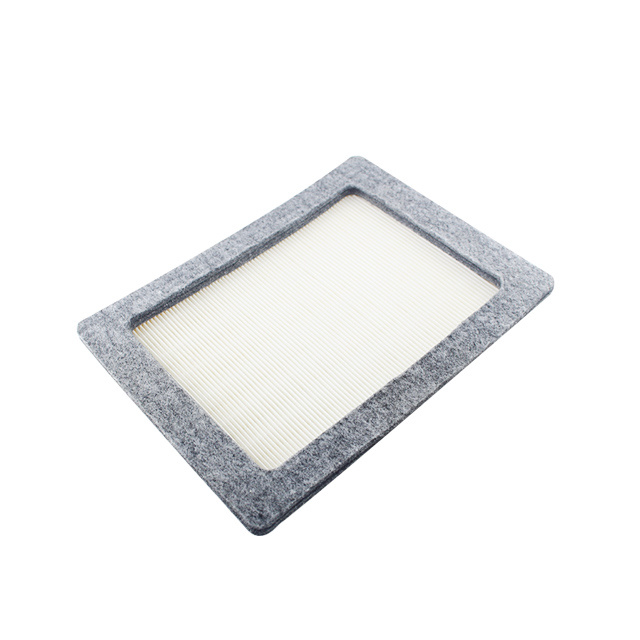
Pleated air filters offer a larger surface area compared to standard flat filters, allowing for higher particle capture capacity. These filters are highly efficient in removing dust, mold spores, and pollen from the air. Pleated filters are cost-effective and suitable for a wide range of industrial applications.
4.5 Fiberglass Air Filters
Fiberglass air filters are economical options that effectively capture large particles such as dust and lint. These filters are commonly used in industrial facilities with minimal airborne contaminants. Fiberglass filters are disposable and easy to replace, making them a convenient choice for industrial applications.
FAQs about Industrial Air Filters
5.1 What is the lifespan of an industrial air filter?
The lifespan of an industrial air filter depends on various factors, including the type of contaminants present, operating conditions, and the efficiency of the filter. On average, industrial air filters may need to be replaced every three to six months.
5.2 How often should industrial air filters be replaced?
The frequency of filter replacement depends on the specific industrial application. In environments with high levels of contaminants, filters may need to be replaced more frequently. Regular inspection and monitoring of filter condition are essential to determine the optimal replacement schedule.
5.3 Can industrial air filters reduce energy consumption?
Yes, choosing air filters with lower airflow resistance can contribute to energy savings. Filters that maintain a suitable balance between filtration efficiency and pressure drop help optimize the performance of air conditioning systems, reducing energy consumption.
5.4 Are industrial air filters effective against harmful gases and odors?
Certain types of filters, such as carbon filters, are specifically designed to adsorb and eliminate harmful gases and odors. These filters effectively remove volatile organic compounds (VOCs) and improve the overall air quality in industrial settings.
5.5 Can industrial air filters be customized for specific applications?
Yes, industrial air filters can be customized to meet the specific requirements of different industrial applications. By considering factors such as filtration efficiency, airflow resistance, and environmental considerations, filters can be tailored to address specific challenges and ensure optimal performance.
Conclusion
Choosing the right air filters for industrial applications is crucial for maintaining clean and healthy air quality, ensuring worker safety, and protecting valuable equipment. By understanding the different types of air filters available and their specific benefits, you can make an informed decision to enhance the performance of your air conditioning system. Whether you require high-efficiency HEPA filters, electrostatic filters, carbon filters, pleated filters, or fiberglass filters, there is an option available to meet your industrial needs. Invest in quality air filters and enjoy improved air quality and increased efficiency in your industrial facility.
Key words:

* Please Enter Keywords
The company is mainly engaged in the manufacture and sale of auto parts and accessories in the automobile manufacturing industry, the manufacture and sale of automobile rubber products, and the import and export of auto parts.