

 Esperanto
 Shqiptare
 Euskara
 Zulu
Zulu
 Latinus
 Cymraeg
 தமிழ்
தமிழ்
 Slovak
 Slovak
 Afrikaans
Focus On Hot Spots
Contact Info
E-mail: txgs@taixifilter.com
Manager Xu: +86-15097925576
Manager Feng: +86-15803195413
Address: North side of Caiyuan Village, Gexianzhuang Town, Qinghe County, Xingtai City, Hebei Province (No. 250)
Choosing the Right Filters for Your Central Air Unit
Release Time:
Nov 16,2023
Table of Contents: 1. Introduction 2. Importance of Choosing the Right Filters 3. Understanding Filter Types 3.1 Fiberglass Filters 3.2 Pleated Filters 3.3 Electrostatic Filters 3.4 HEPA Filters 4. Filter Ratings and Efficiency 4.1 MERV Rating 4.2 FPR Rating 4.3 MPR Rating 5. Factors to Consider When Choosing Filters 5.1 Air Quality Needs 5.2 Allergies and Asthma 5.3
1. Introduction
2. Importance of Choosing the Right Filters
3. Understanding Filter Types
3.1 Fiberglass Filters
3.2 Pleated Filters
3.3 Electrostatic Filters
3.4 HEPA Filters
4. Filter Ratings and Efficiency
4.1 MERV Rating
4.2 FPR Rating
4.3 MPR Rating
5. Factors to Consider When Choosing Filters
5.1 Air Quality Needs
5.2 Allergies and Asthma
5.3 Pets and Pet Dander
5.4 Dust and Pollen
6. Common Filter FAQs
6.1 How often should I change my filters?
6.2 Can I clean and reuse filters?
6.3 What size filter do I need?
6.4 Are expensive filters better?
6.5 Can I upgrade my current filter?
7. Conclusion
1. Introduction
When it comes to maintaining a healthy indoor environment, your central air unit's filters play a vital role. In this article, we will guide you on choosing the right filters that can effectively remove airborne pollutants and ensure clean air circulation throughout your home.
2. Importance of Choosing the Right Filters
Proper filtration is crucial for maintaining a comfortable and healthy living space. The right filters can capture and eliminate allergens, dust, pet dander, and other particles that can trigger allergy symptoms and respiratory issues. By selecting filters suitable for your specific needs, you can enhance the air quality in your home and promote overall well-being.
3. Understanding Filter Types
There are different types of filters available for central air units, each with its own characteristics and performance. Here are some commonly used filter types:
3.1 Fiberglass Filters
Fiberglass filters are the most basic and inexpensive option. They are made from layered fiberglass fibers and are effective at capturing larger airborne particles. However, they may not be as efficient in trapping smaller pollutants.
3.2 Pleated Filters
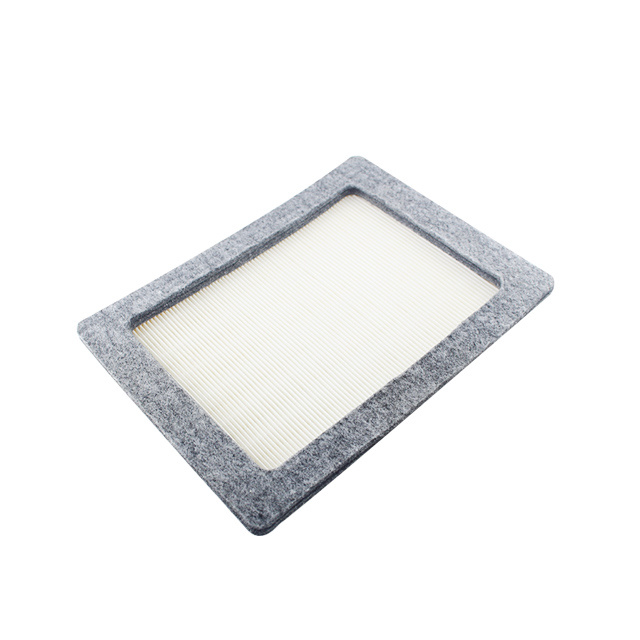
Pleated filters consist of densely packed layers of fabric. They offer better filtration than fiberglass filters as they can capture smaller particles. Pleated filters are available in various MERV (Minimum Efficiency Reporting Value) ratings, indicating their efficiency level.
3.3 Electrostatic Filters
Electrostatic filters use electrostatic charges to attract and trap airborne particles. They are typically made of self-charging polypropylene fibers and offer good filtration efficiency. Some electrostatic filters are washable and reusable, providing long-term cost savings.
3.4 HEPA Filters
HEPA (High-Efficiency Particulate Air) filters are the gold standard for air filtration. They can capture over 99% of particles as small as 0.3 microns, including allergens, mold spores, and bacteria. HEPA filters are recommended for those with allergies, asthma, or sensitivity to airborne contaminants.
4. Filter Ratings and Efficiency
To determine the efficiency of a filter, it's important to understand the different rating systems used:
4.1 MERV Rating
MERV rating is a widely used scale that measures a filter's ability to capture particles of different sizes. The higher the MERV rating, the better the filtration efficiency. Filters with MERV 8 to 13 are commonly recommended for residential use.
4.2 FPR Rating
FPR (Filter Performance Rating) is used by the Home Depot to rate filters sold in their stores. The FPR rating ranges from 4 to 10, with higher numbers indicating better filtration performance. FPR ratings are helpful when purchasing filters from Home Depot.
4.3 MPR Rating
MPR (Microparticle Performance Rating) is a rating system developed by 3M for their filters. It measures a filter's effectiveness in capturing small particles between 0.3 and 1 micron in size. Higher MPR ratings indicate higher filtration efficiency.
5. Factors to Consider When Choosing Filters
To ensure you choose the right filters for your central air unit, consider the following factors:
5.1 Air Quality Needs
Evaluate your air quality needs and the specific pollutants you want to target. For example, if you live in an area with high pollen levels, filters with higher MERV ratings or HEPA filters can provide better protection against allergens.
5.2 Allergies and Asthma
If you or your family members suffer from allergies or asthma, consider filters specifically designed to capture allergens and asthma triggers. HEPA filters are highly recommended for those with respiratory conditions.
5.3 Pets and Pet Dander
If you have pets, filters that can efficiently capture pet dander and hair are essential. Look for filters with higher MERV ratings or electrostatic filters that can effectively trap pet-related allergens.
5.4 Dust and Pollen
If your primary concern is reducing dust and pollen in your home, filters with higher MERV ratings are suitable. Pleated filters with MERV 8 or above can effectively capture common airborne particles.
6. Common Filter FAQs
6.1 How often should I change my filters?
Filters should generally be replaced every 90 days. However, factors such as high pollution levels, pets, or smoke might require more frequent filter changes.
6.2 Can I clean and reuse filters?
While some filters are washable and reusable, most filters should be replaced when they become dirty or clogged. Cleaning may not restore their original efficiency.
6.3 What size filter do I need?
Refer to your central air unit's documentation or consult an HVAC professional to determine the correct filter size for your specific system.
6.4 Are expensive filters better?
Expensive filters often offer better filtration and durability. However, the choice depends on your specific needs and budget.
6.5 Can I upgrade my current filter?
If your current filter is not meeting your air quality needs, consult an HVAC professional to determine if an upgrade is possible without compromising your system's performance.
7. Conclusion
Choosing the right filters for your central air unit is crucial for maintaining optimal indoor air quality. Consider your air quality needs, allergies, pets, and specific pollutants when selecting filters. Understanding filter types and ratings will help you make an informed decision. Regularly replacing filters will ensure efficient operation and clean air circulation in your home. Invest in quality filters to create a healthier and more comfortable living environment for you and your family.
Key words:

* Please Enter Keywords
The company is mainly engaged in the manufacture and sale of auto parts and accessories in the automobile manufacturing industry, the manufacture and sale of automobile rubber products, and the import and export of auto parts.