

 Esperanto
 Shqiptare
 Euskara
 Zulu
Zulu
 Latinus
 Cymraeg
 தமிழ்
தமிழ்
 Slovak
 Slovak
 Afrikaans
Focus On Hot Spots
Contact Info
E-mail: txgs@taixifilter.com
Manager Xu: +86-15097925576
Manager Feng: +86-15803195413
Address: North side of Caiyuan Village, Gexianzhuang Town, Qinghe County, Xingtai City, Hebei Province (No. 250)
Improving Indoor Air Circulation with Central Air Unit Filters: A Comprehensive Guide
Release Time:
Nov 17,2023
## Table of Contents 1. Introduction 2. Importance of Indoor Air Circulation 3. The Role of Central Air Unit Filters 4. Types of Central Air Unit Filters - 4.1. Fiberglass Filters - 4.2. Pleated Filters - 4.3. High-Efficiency Particulate Air (HEPA) Filters 5. Factors to Consider When Choosing Filters - 5.1. Filter Efficiency - 5.2. MERV Ratings - 5.3. Filter Size 6. Install
1. Introduction
2. Importance of Indoor Air Circulation
3. The Role of Central Air Unit Filters
4. Types of Central Air Unit Filters
- 4.1. Fiberglass Filters
- 4.2. Pleated Filters
- 4.3. High-Efficiency Particulate Air (HEPA) Filters
5. Factors to Consider When Choosing Filters
- 5.1. Filter Efficiency
- 5.2. MERV Ratings
- 5.3. Filter Size
6. Installing Central Air Unit Filters
- 6.1. Locating the Filter Slot
- 6.2. Proper Filter Orientation
7. Maintaining Central Air Unit Filters
- 7.1. Regular Filter Replacement
- 7.2. Cleaning Filters
8. Frequently Asked Questions (FAQs)
- 8.1. How often should I replace my central air unit filter?
- 8.2. Can I reuse a disposable filter?
- 8.3. Are HEPA filters the best option for all situations?
- 8.4. Can dirty filters affect the efficiency of my air conditioning system?
- 8.5. Can I use a higher MERV rated filter in my central air unit?
9. Conclusion
## 1. Introduction
Achieving optimal indoor air quality is crucial for a healthy living environment. Central air unit filters play a vital role in improving indoor air circulation by removing contaminants, allergens, and pollutants from the air. In this comprehensive guide, we will delve into the benefits and functionalities of central air unit filters, helping you make informed decisions for your indoor air quality needs.
## 2. Importance of Indoor Air Circulation
Proper indoor air circulation not only enhances comfort but also prevents the buildup of stale air and pollutants. Efficient air circulation helps to distribute conditioned air evenly throughout your space, ensuring a consistent temperature and reducing the chances of mold and mildew growth. By improving indoor air circulation, you can create a more pleasant and healthier environment.
## 3. The Role of Central Air Unit Filters
Central air unit filters act as the first line of defense against airborne contaminants, capturing particles such as dust, pollen, pet dander, and mold spores. They prevent these pollutants from recirculating in your living or working space, thus improving the overall air quality. Additionally, filters also protect the internal components of your air conditioning system from damage, prolonging its lifespan.
## 4. Types of Central Air Unit Filters
Not all filters are created equal, and understanding the different types available will help you choose the most suitable one for your specific needs. Here are three common types of central air unit filters:
### 4.1. Fiberglass Filters
Fiberglass filters are the most economical option, commonly found in many residential and commercial buildings. While they provide basic filtration, they are not as effective in capturing smaller particles compared to other filter types. Fiberglass filters are ideal for environments with minimal allergens and pollutants.
### 4.2. Pleated Filters
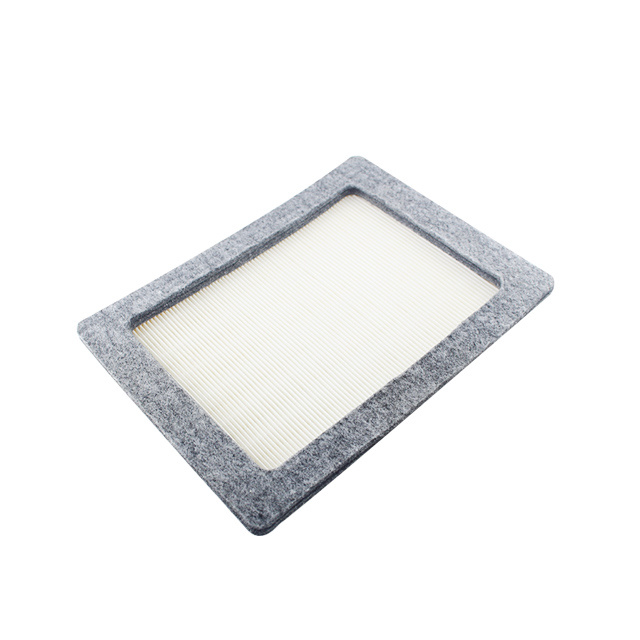
Pleated filters offer a higher level of filtration than fiberglass filters. Their increased surface area allows for better particle capture, making them suitable for spaces with moderate levels of contaminants. Pleated filters are available in various MERV ratings to cater to different air quality requirements.
### 4.3. High-Efficiency Particulate Air (HEPA) Filters
HEPA filters are the gold standard when it comes to air filtration. These filters can capture up to 99.97% of particles as small as 0.3 microns, including bacteria, viruses, and even smoke particles. HEPA filters are recommended for those with respiratory issues, allergies, or living in areas with high pollution levels.
## 5. Factors to Consider When Choosing Filters
Selecting the right central air unit filter involves considering various factors. Keep the following aspects in mind during the selection process:
### 5.1. Filter Efficiency
The efficiency of a filter determines its ability to trap particles of different sizes. Higher efficiency filters can capture smaller particles, resulting in improved air quality. Consider your specific air quality needs when choosing a filter with the appropriate level of efficiency.
### 5.2. MERV Ratings
Minimum Efficiency Reporting Value (MERV) ratings indicate the effectiveness of filters in trapping airborne particles. Filters with higher MERV ratings offer better filtration but may also restrict airflow. Strike a balance between filtration efficiency and airflow to avoid strain on your air conditioning system.
### 5.3. Filter Size
Ensure the filter you choose fits your central air unit perfectly. Measure the existing filter or consult the manufacturer's specifications to determine the correct size. Using an ill-fitting filter can lead to air leakage and compromised efficiency.
## 6. Installing Central Air Unit Filters
Proper installation of central air unit filters is crucial to maximize their effectiveness. Follow these steps for a successful installation:
### 6.1. Locating the Filter Slot
Identify the filter slot in your central air conditioning system. It is typically located near the air handler unit or within the return air ducts. Refer to the manufacturer's instructions or seek professional assistance if you're unsure about the location.
### 6.2. Proper Filter Orientation
Before inserting the filter, ensure you position it correctly based on the airflow direction indicated on the filter frame. Installing the filter in the wrong orientation can lead to reduced filtration efficiency and potential damage to the filter.
## 7. Maintaining Central Air Unit Filters
Regular maintenance of central air unit filters is essential to ensure their optimal performance. Follow these maintenance tips to keep your filters in top condition:
### 7.1. Regular Filter Replacement
Check your filter's recommended replacement interval and schedule filter replacements accordingly. Disposable filters typically require replacement every 1-3 months, while reusable filters need cleaning at regular intervals. Neglecting filter replacement can result in reduced filtration efficiency and strain on your air conditioning system.
### 7.2. Cleaning Filters
If using reusable filters, follow the manufacturer's instructions for proper cleaning. Typically, this involves rinsing the filter with water or using a vacuum cleaner to remove accumulated dust and debris. Clean filters ensure unhindered airflow and optimal filtration.
## 8. Frequently Asked Questions (FAQs)
Here are some frequently asked questions about central air unit filters:
### 8.1. How often should I replace my central air unit filter?
The frequency of filter replacement depends on various factors such as filter type, air quality, and usage. As a general guideline, disposable filters should be replaced every 1-3 months, while reusable filters require cleaning at least once a month.
### 8.2. Can I reuse a disposable filter?
Disposable filters are not intended for reuse. Their design and construction make them suitable for single-use only. Attempting to reuse disposable filters can compromise their filtration efficiency and potentially damage your air conditioning system.
### 8.3. Are HEPA filters the best option for all situations?
While HEPA filters offer exceptional filtration, they may not be necessary for all environments. Consider the air quality requirements, occupants' health conditions, and the presence of specific pollutants before opting for HEPA filters. In some cases, pleated filters may provide adequate filtration at a lower cost.
### 8.4. Can dirty filters affect the efficiency of my air conditioning system?
Yes, dirty filters can hinder airflow, forcing your air conditioning system to work harder to maintain the desired temperature. Restricted airflow may result in reduced cooling/heating efficiency, increased energy consumption, and potential damage to the system's components.
### 8.5. Can I use a higher MERV rated filter in my central air unit?
Using a higher MERV rated filter than recommended by the manufacturer can restrict airflow and strain your air conditioning system. Consult the manufacturer's guidelines or seek professional advice to select a filter with an appropriate MERV rating for your specific system.
## 9. Conclusion
Improving indoor air circulation is essential for maintaining a healthy living or working environment. Central air unit filters play a significant role in enhancing air quality by capturing contaminants and preventing their recirculation. By understanding the different filter types, considering key factors during selection, and maintaining filters regularly, you can optimize indoor air circulation and enjoy the benefits of cleaner, fresher air. Take proactive measures today to prioritize the well-being of yourself and your loved ones.
Key words:

* Please Enter Keywords
The company is mainly engaged in the manufacture and sale of auto parts and accessories in the automobile manufacturing industry, the manufacture and sale of automobile rubber products, and the import and export of auto parts.