

 Esperanto
 Shqiptare
 Euskara
 Zulu
Zulu
 Latinus
 Cymraeg
 தமிழ்
தமிழ்
 Slovak
 Slovak
 Afrikaans
Focus On Hot Spots

Contact Info
E-mail: txgs@taixifilter.com
Manager Xu: +86-15097925576
Manager Feng: +86-15803195413
Address: North side of Caiyuan Village, Gexianzhuang Town, Qinghe County, Xingtai City, Hebei Province (No. 250)
Tips for Choosing a Filter in a Central Air Unit for Industrial Equipment and Components
Release Time:
Nov 17,2023
Title: Choosing the Right Filter for Your Industrial Equipment's Central Air Unit Introduction: If you're in the industrial equipment and components industry, ensuring efficient air filtration is crucial for maintaining optimal performance. This article provides valuable tips on selecting the most suitable filter for your central air unit, helping you make informed decisions without the hassle of
Introduction: If you're in the industrial equipment and components industry, ensuring efficient air filtration is crucial for maintaining optimal performance. This article provides valuable tips on selecting the most suitable filter for your central air unit, helping you make informed decisions without the hassle of pricing or brand considerations.
When it comes to industrial equipment and components, such as filters, finding the right filter for your central air unit can significantly enhance the overall performance and longevity of your machinery. Here are some key factors to consider:
1. Filtration Efficiency: The primary purpose of a filter is to remove contaminants from the air. Look for filters with high filtration efficiency, indicated by a MERV (Minimum Efficiency Reporting Value) rating. A higher MERV rating signifies better filtration performance, capturing smaller particles and ensuring cleaner air.
2. Airflow Resistance: While filtration efficiency is important, it's essential to strike a balance with airflow resistance. Filters with low airflow resistance allow for improved air circulation, reducing strain on the central air unit. Consider the specific requirements of your equipment and choose a filter that provides optimal airflow without compromising filtration efficiency.
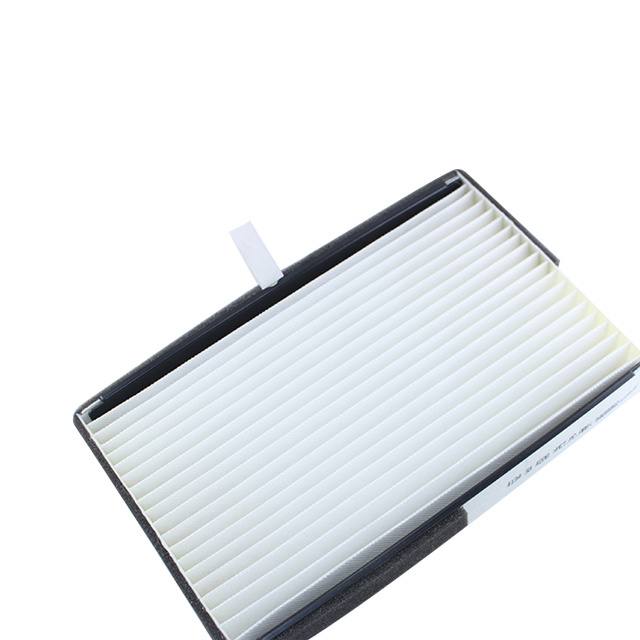
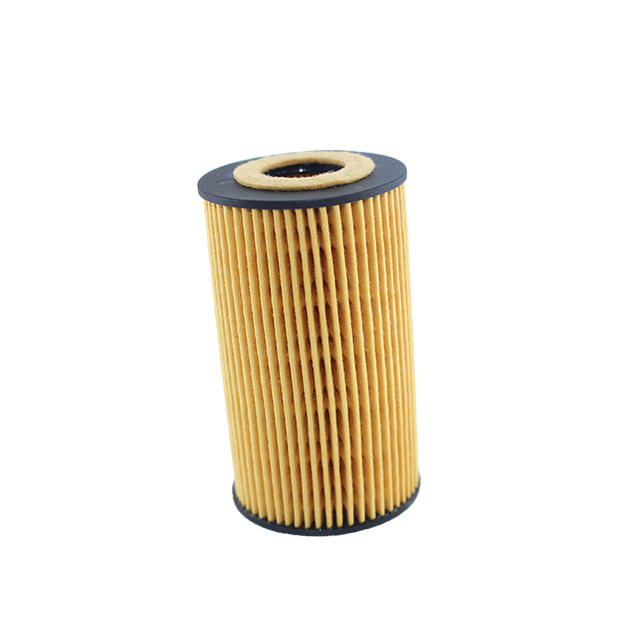
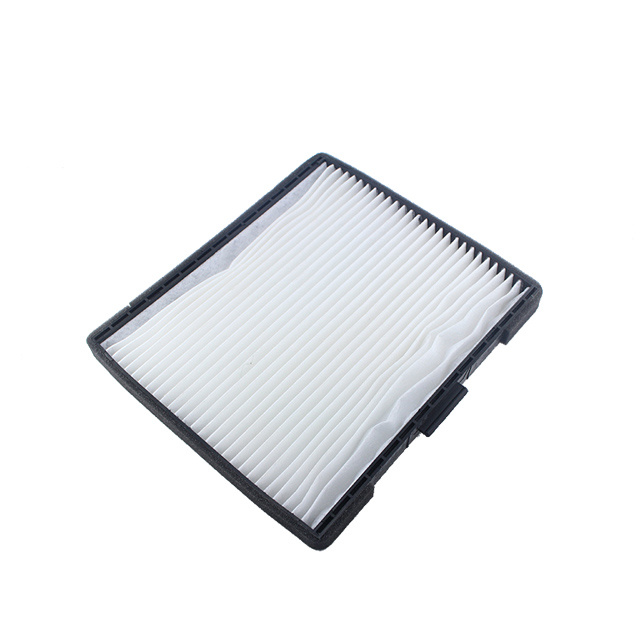
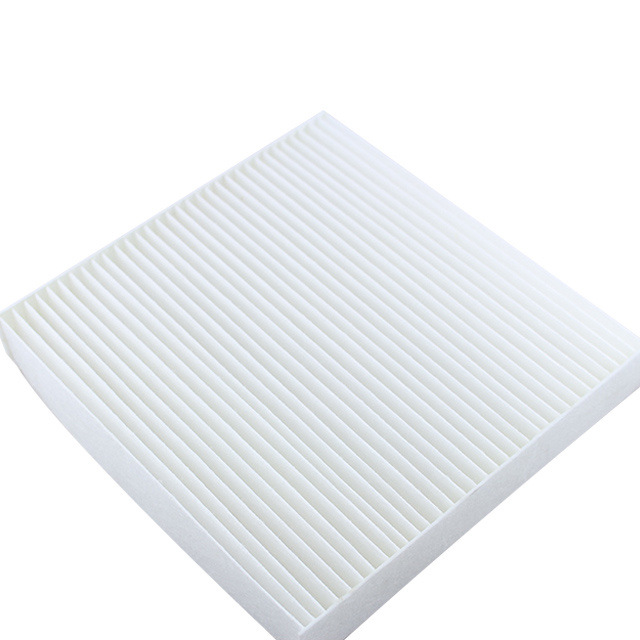
3. Filter Type: Different industrial applications require different types of filters. Common filter types include pleated filters, activated carbon filters, HEPA filters, and electrostatic filters. Understand the specific filtration needs of your equipment and select the appropriate filter type accordingly.
4. Filter Size and Compatibility: Ensure that the filter you choose is compatible with your central air unit. Consider the dimensions and specifications recommended for your equipment and select a filter that fits perfectly, preventing air leakage and maintaining efficient filtration.
5. Maintenance and Replacement: Regular maintenance and filter replacement are essential for optimal performance. Check the manufacturer's guidelines for recommended maintenance intervals and ask about the ease of replacement when selecting a filter. Opt for filters that are easily accessible and simple to replace to minimize downtime and maximize efficiency.
Remember, choosing the right filter for your central air unit is a critical decision that affects the air quality, performance, and durability of your industrial equipment. By considering factors such as filtration efficiency, airflow resistance, filter type, compatibility, and maintenance requirements, you can ensure a well-functioning and efficient central air system for your equipment.
In conclusion, when it comes to filters in central air units for industrial equipment and components, making informed choices is crucial. By following these tips and considering the specific needs of your machinery, you can select the most suitable filter without being swayed by pricing, brand, or promises, ultimately enhancing the performance and longevity of your industrial equipment.
Key words:

* Please Enter Keywords
The company is mainly engaged in the manufacture and sale of auto parts and accessories in the automobile manufacturing industry, the manufacture and sale of automobile rubber products, and the import and export of auto parts.